
Last updated September 23, 2026
Free visual inspection and a written scope of work before any mitigation begins - photos, moisture readings, and drying logs go in your claim file
The scope we write is the scope we bill. Anything new gets shown to you, in writing, before we touch it.
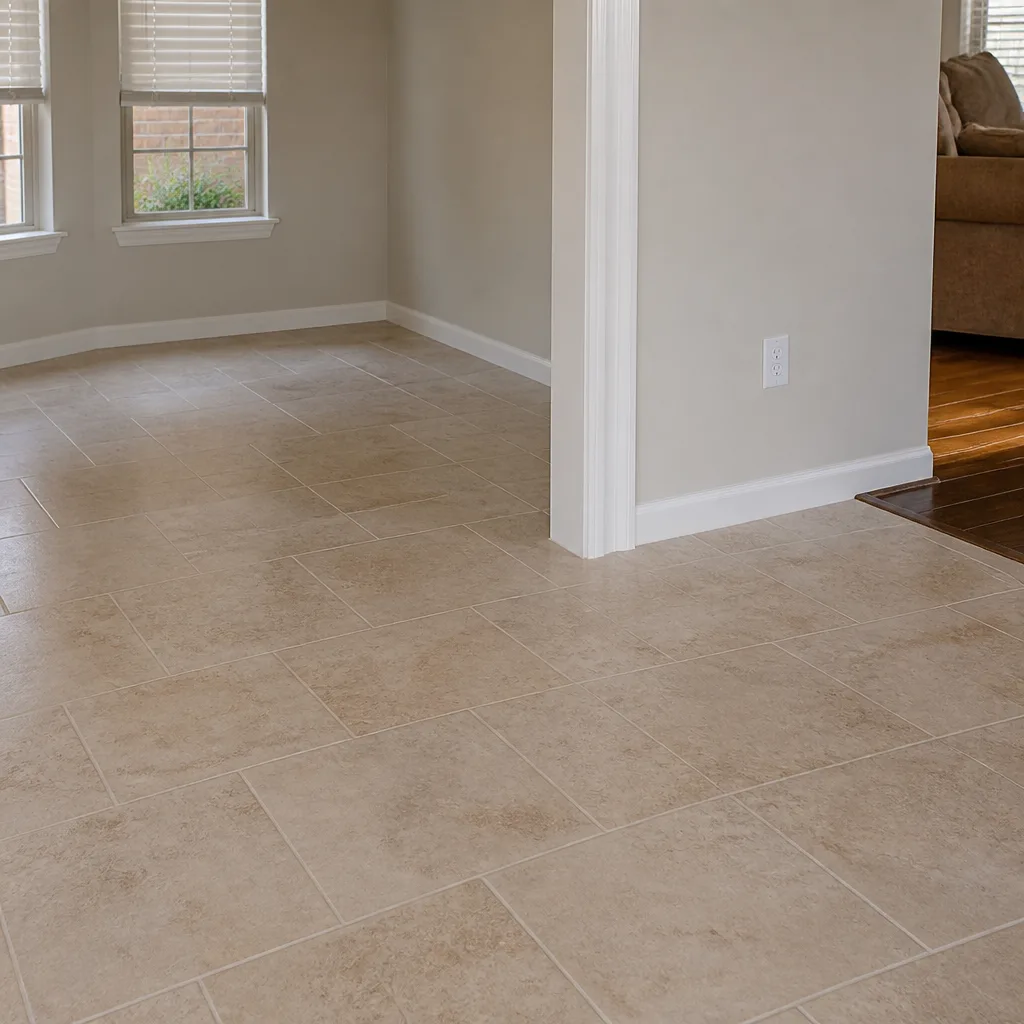

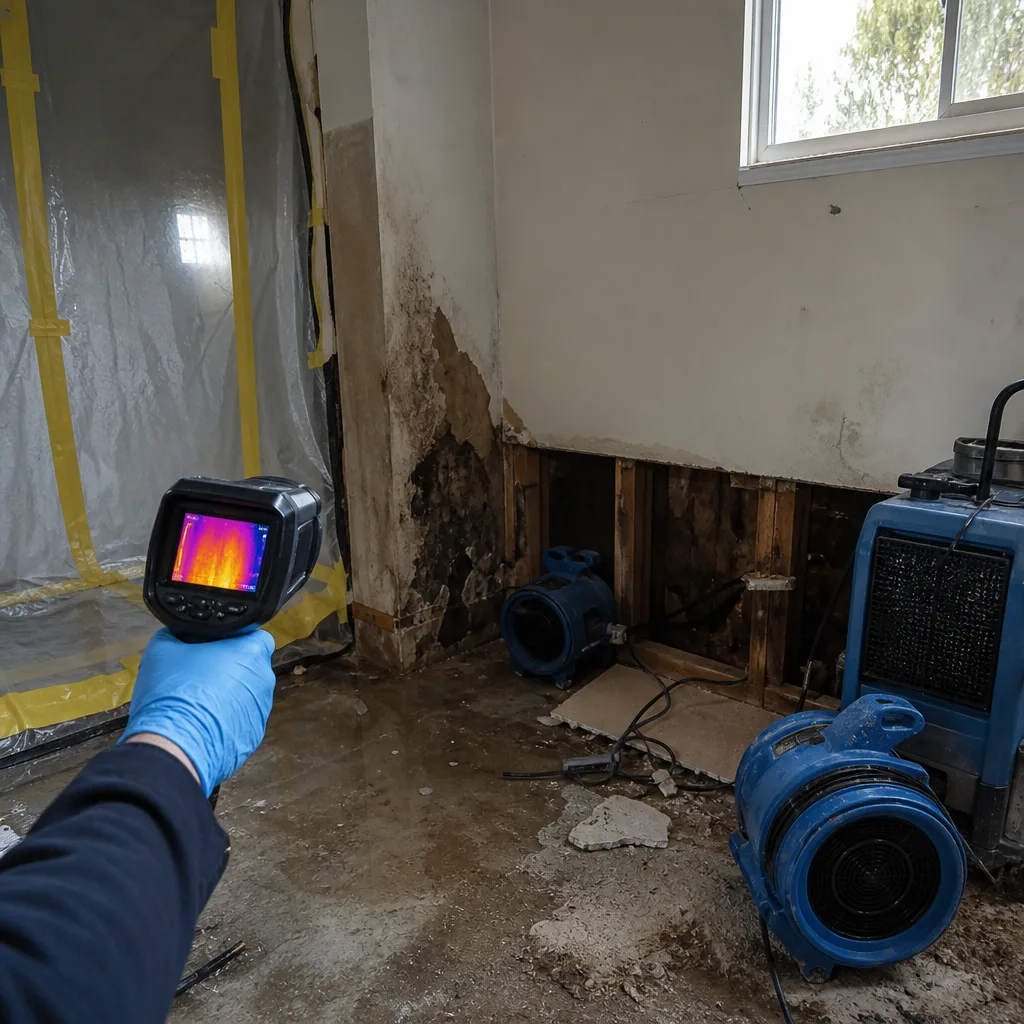 Before
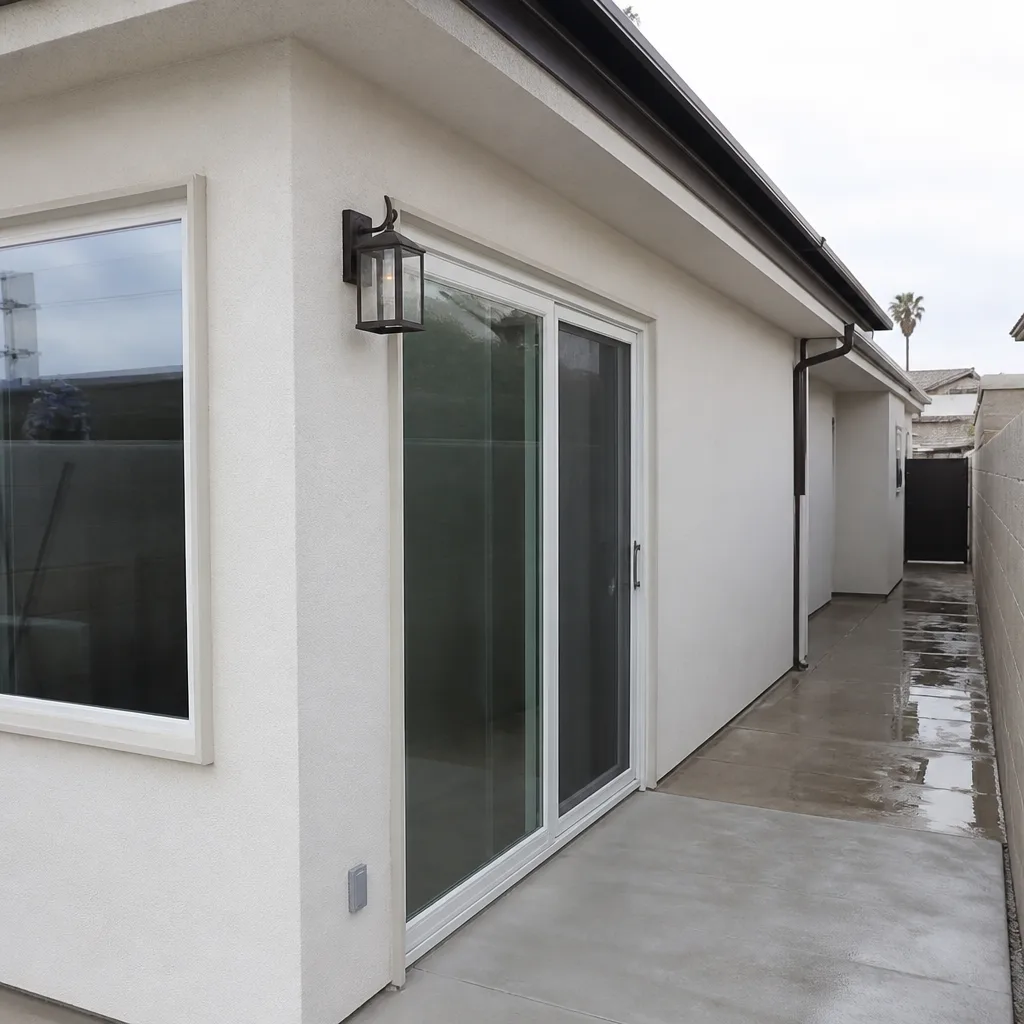 After
After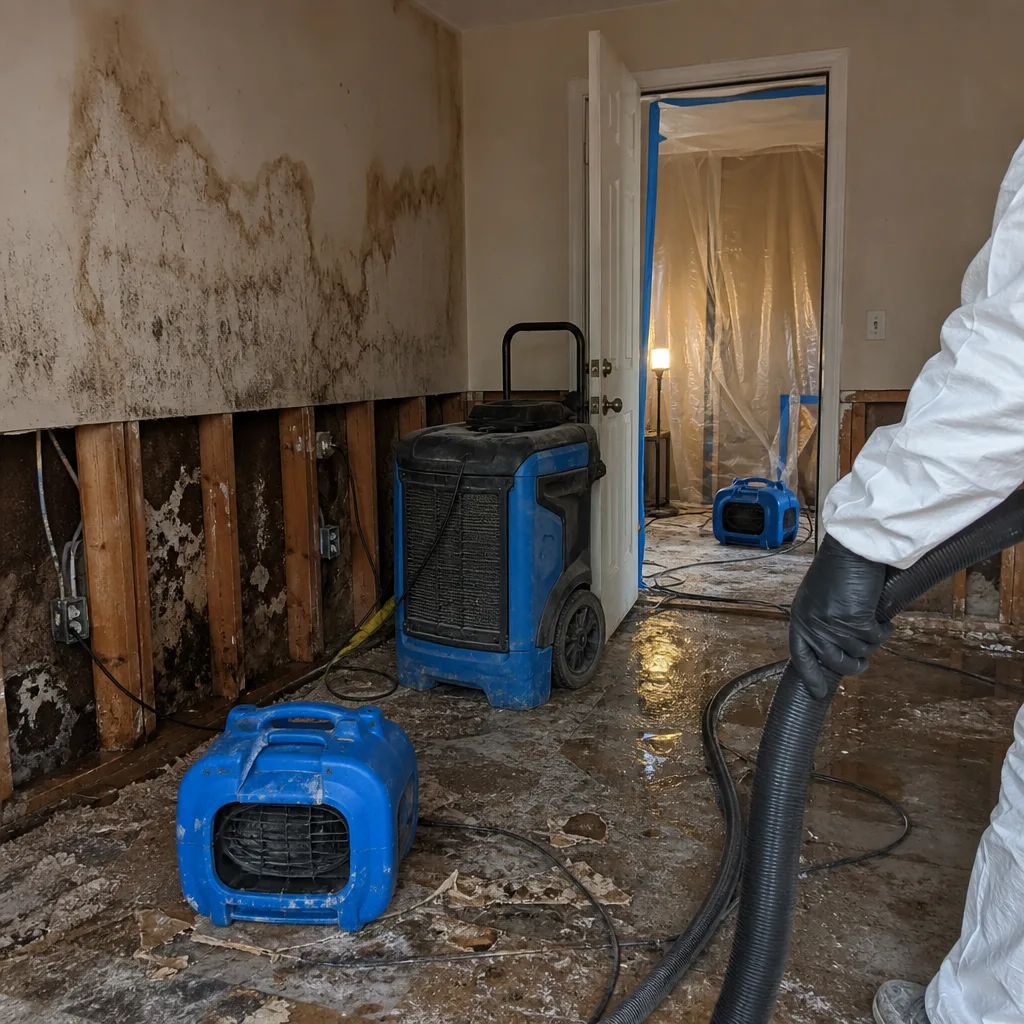 Before
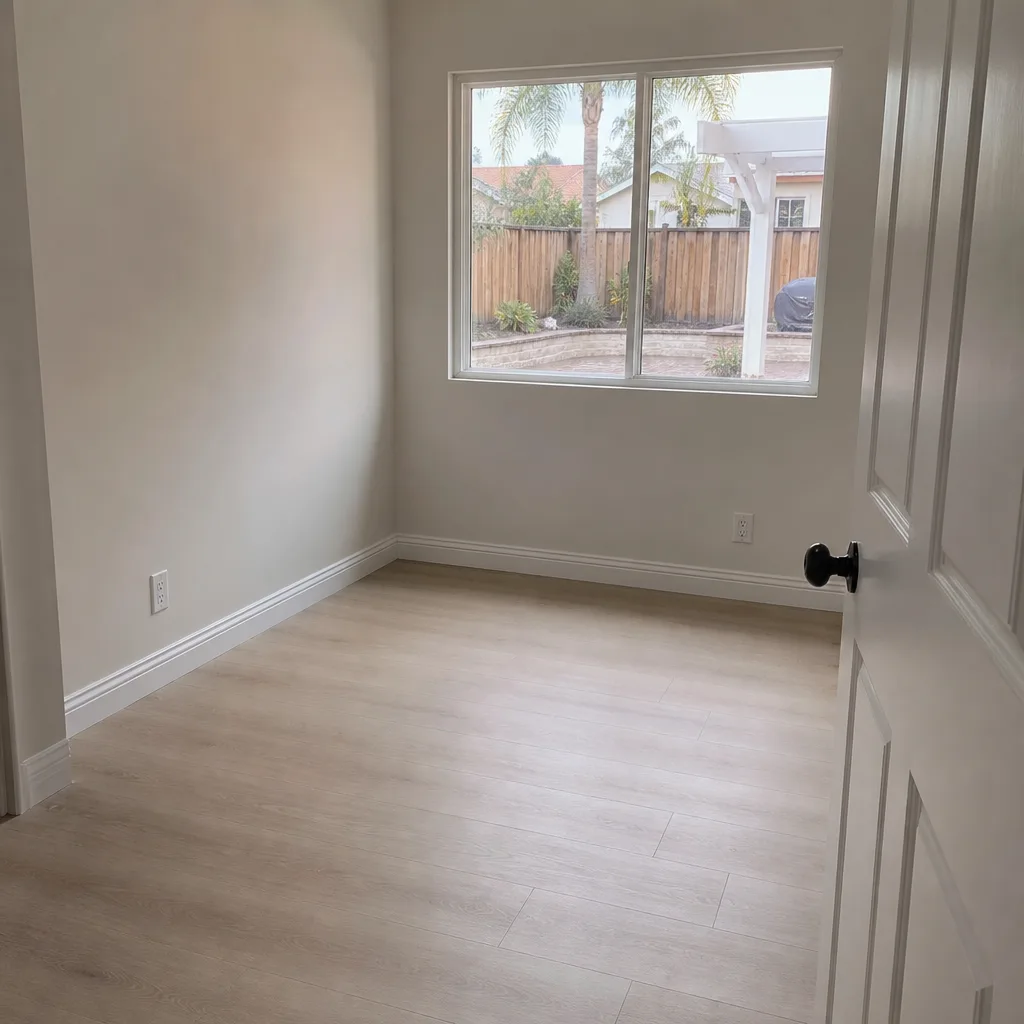 After
After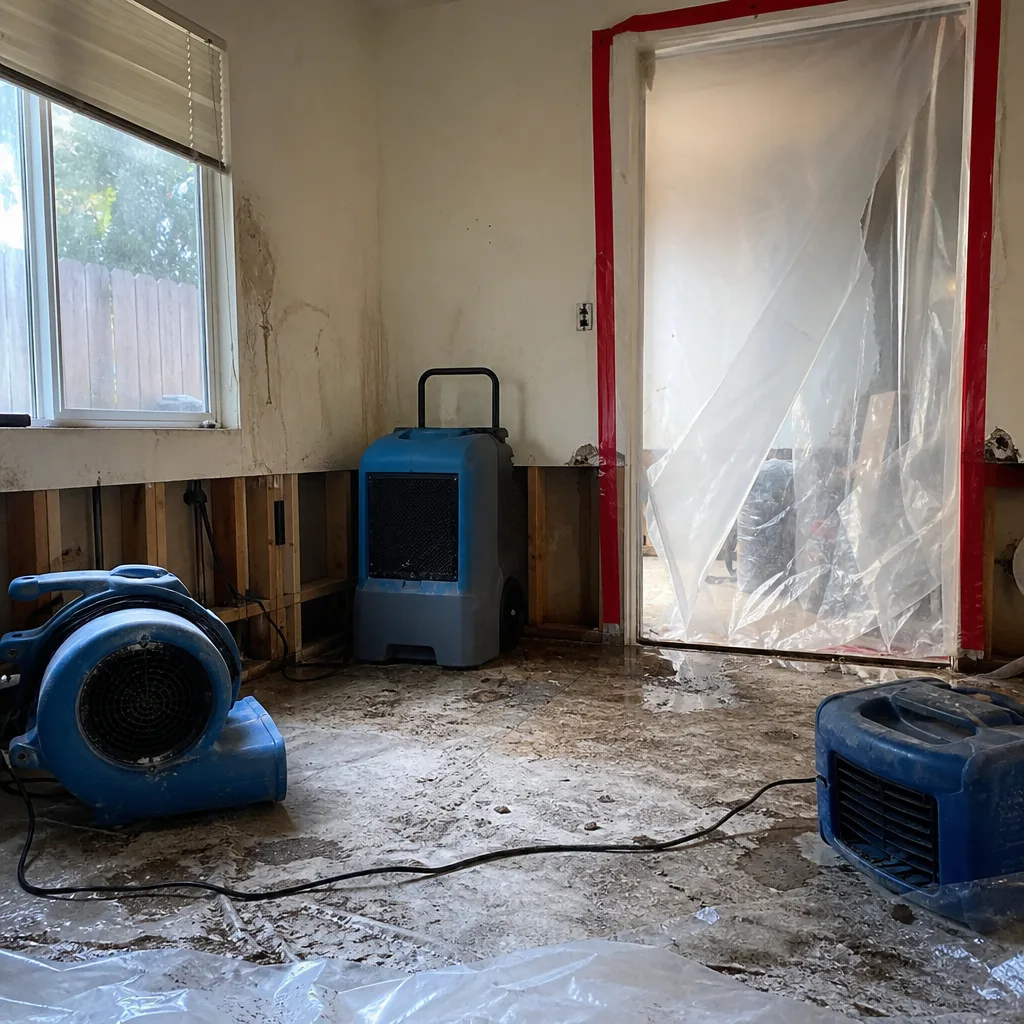 Before
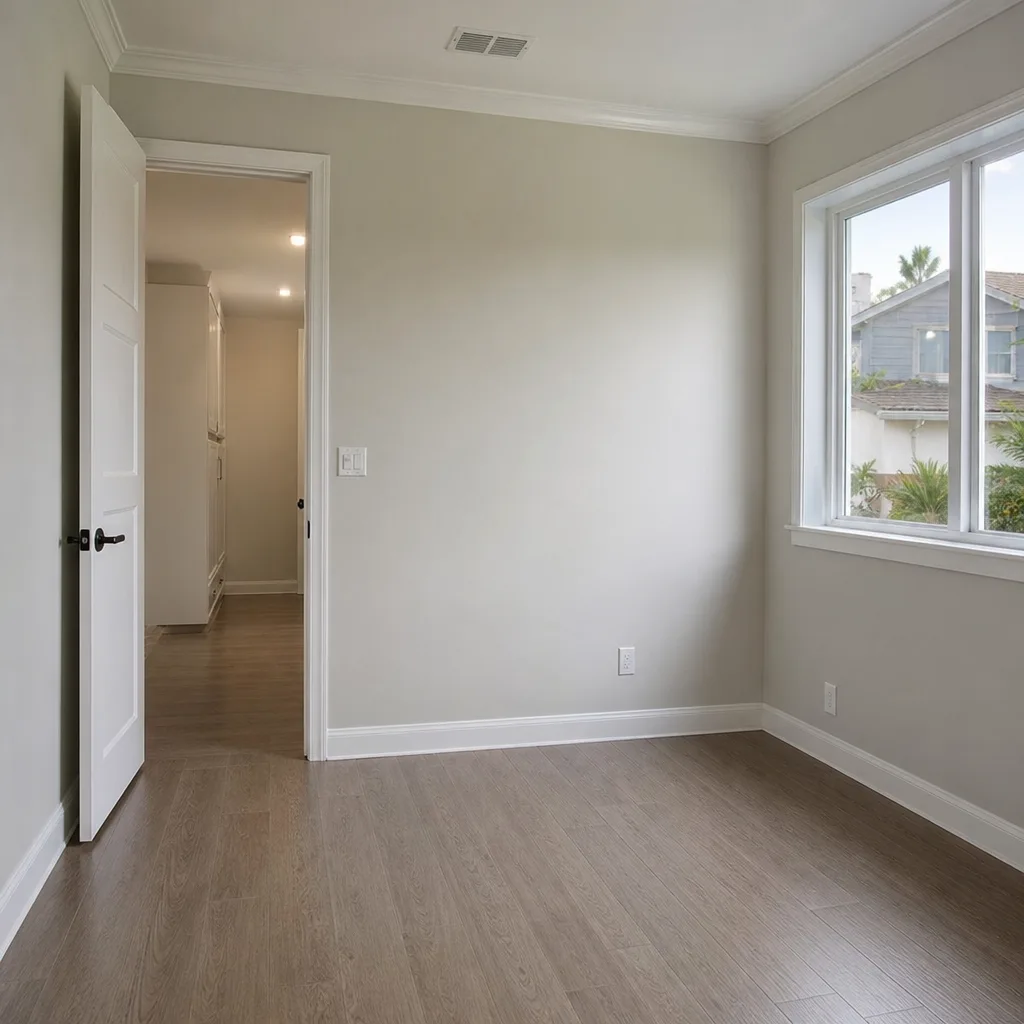 After
AfterSeasonal Damage Restoration Care for Huntington Beach: Year-Round Homeowner’s Guide
October in Huntington Beach is simultaneously the driest month and the highest-risk month for fire-related water damage. Santa Ana winds arrive before winter rains that would otherwise suppress ignition risk, which means ember damage to roofing and siding often goes undetected until the first atmospheric river arrives weeks later. In our experience documenting claims across Orange County since 2011, the homeowners who recover fastest are not the ones with the best insurance policy, but the ones with a dated, photo-documented inspection log that proves pre-loss condition. This guide maps Huntington Beach’s actual two-threat calendar, not a generic four-season template, and shows you how to build that documentation habit. For more guides & resources, visit our blog.
Quick Answer
Huntington Beach homeowners face two distinct damage windows: Santa Ana wind season (October-November) and atmospheric river season (December-March). A documented seasonal inspection schedule, with dated photos of roof, plumbing, HVAC, and exterior envelope systems, preserves claim eligibility and prevents insurers from invoking “failure to protect” clauses. Monthly tasks in June-July should include baseline moisture readings in crawl spaces and attics, before the marine layer creates humidity conditions that mimic post-flood readings.
Table of Contents
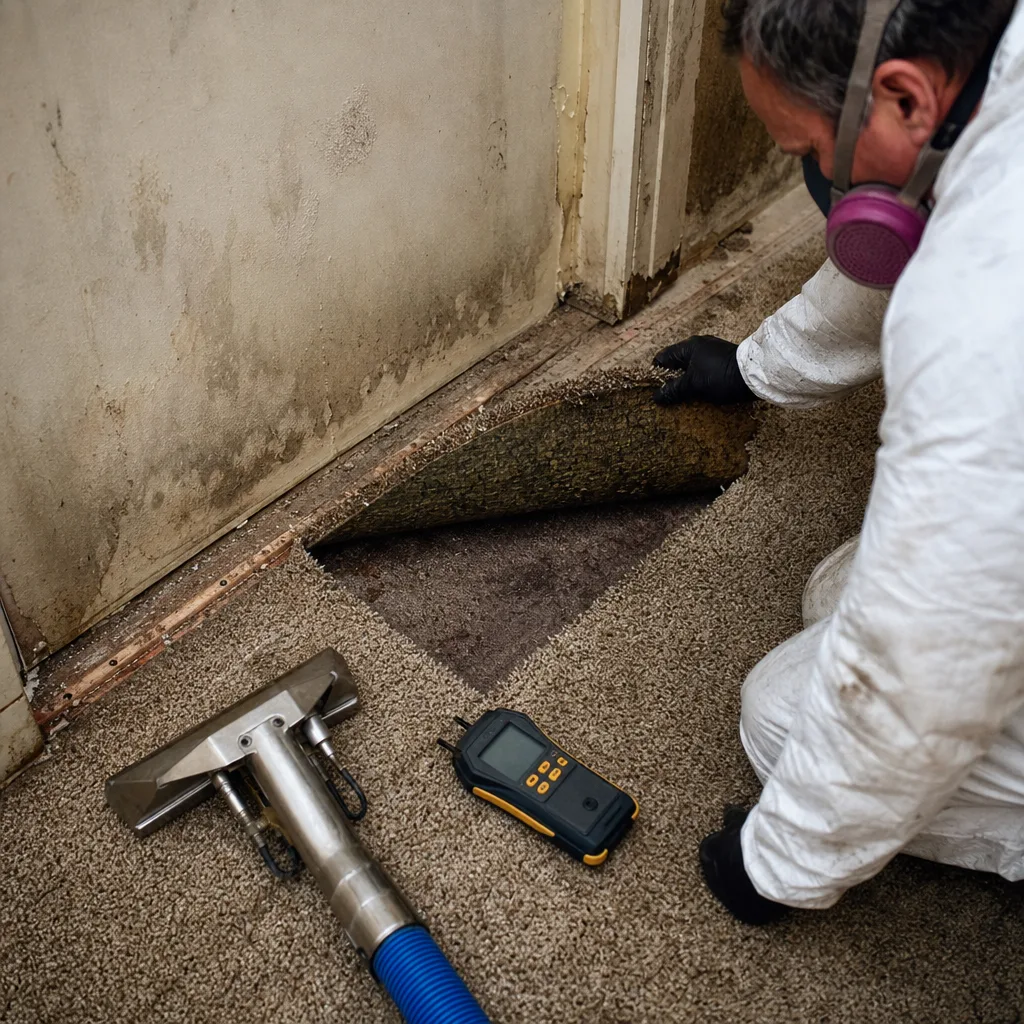
- Why Huntington Beach Needs Its Own Calendar
- June Gloom: Baseline Documentation Before Humidity Peaks
- Pre-Santa Ana Wind Preparations: October
- Atmospheric River Readiness: December-March
- The 72-Hour Post-Storm Inspection Sequence
- Building Your Seasonal Inspection Log
- Common Mistakes to Avoid
- When to Call a Professional
- Frequently Asked Questions
- The Bottom Line
 Before
 After
AfterWhy Huntington Beach Needs Its Own Calendar
Most seasonal home maintenance guides divide the year into four neat quarters. That template fails in coastal Southern California, and it fails particularly in Huntington Beach, where NOAA Station USC00044021 records a precipitation pattern that concentrates 82% of annual rainfall between December and March, with October contributing less than 0.5 inches on average.
The real calendar here has two threat windows and two preparation periods:
- Threat Window 1: Santa Ana wind season, typically October through November, with peak gusts exceeding 60 mph in canyon-adjacent neighborhoods like Huntington Harbour and the Bolsa Chica mesa.
- Threat Window 2: Atmospheric river season, December through March, when moisture-laden Pacific storms stall against the coastal range and drop sustained heavy rain on already wind-compromised structures.
- Preparation Period 1: May through July, when the marine layer (locally called June Gloom) creates sustained 85-95% relative humidity conditions that mask developing moisture problems.
- Preparation Period 2: August through September, the narrow dry window for repairs and documentation before Santa Ana risk returns.
We’ve restored 12,000+ homes since 2011, and the pattern is consistent: the homeowner who calls us in March with water damage from an atmospheric river often has a secondary damage vector, a roof vent cracked in October Santa Ana winds, that was never documented. The insurer sees undetected pre-existing damage and reduces the claim. The homeowner who has a dated photo of that vent from September gets the full coverage.
Huntington Beach’s specific geography amplifies both threats. The city’s flat coastal plain, elevation 39 feet at the pier, means storm drains handle sheet flow from inland areas including Westminster and Fountain Valley. During the January 2023 atmospheric river event, we documented homes in the Oak View neighborhood with water intrusion not from roof failure but from overwhelmed municipal drainage backing into low-lying garage slabs. No generic seasonal guide accounts for this.
June Gloom: Baseline Documentation Before Humidity Peaks
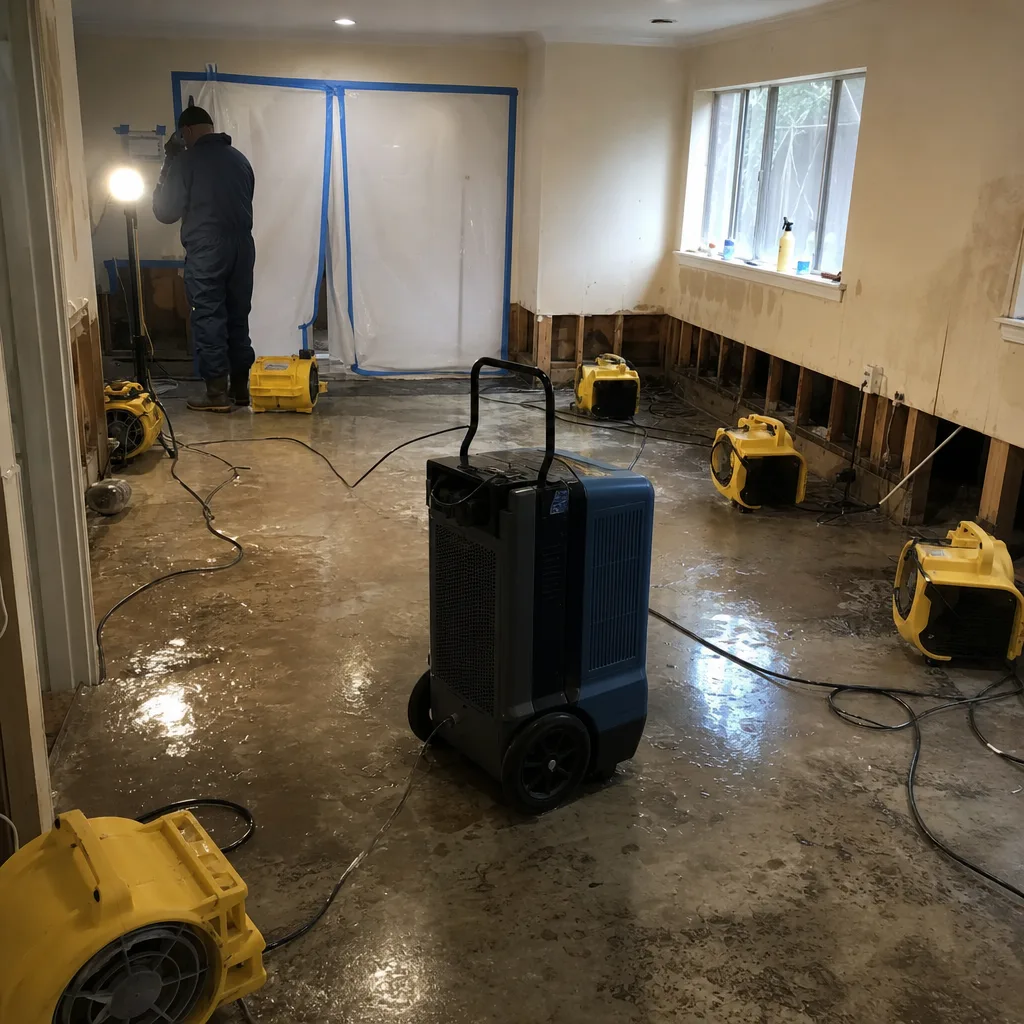
May through July in Huntington Beach brings the marine layer, a persistent stratocumulus blanket that keeps daytime temperatures below 70°F and relative humidity above 85% for weeks at a time. In poorly ventilated crawl spaces and attics, these conditions produce moisture readings that mimic post-flood conditions, 18-22% wood moisture content, without any actual water intrusion event.
This is the single most overlooked preparation period in Huntington Beach home maintenance. If you don’t document baseline readings now, you cannot prove in January that elevated moisture is new damage versus chronic humidity.
What to Document in June-July
- Crawl space moisture mapping: Take readings at six points, front foundation, rear foundation, midpoint left, midpoint right, HVAC plenum area, and any known plumbing chase. Record wood moisture content with a pin-type meter and ambient relative humidity with a thermo-hygrometer. Photograph each reading with the meter display visible and a dated newspaper or phone timestamp in frame.
- Attic inspection: Document roof deck condition, vent screen integrity, and any discoloration on rafters. In Huntington Beach’s older neighborhoods like Downtown and Edison, original clay tile roofs often have degraded underlayment that allows marine layer moisture to condense on the cool roof deck underside.
- HVAC condensate lines: Verify primary and secondary drain lines are clear. The sustained humidity of June Gloom produces condensate volumes 40-60% above annual average, and clogged lines in this period create attic moisture that reads as leak damage in winter.
- Exterior envelope: Photograph all caulk joints, window weep holes, and door thresholds. The thermal expansion differential between marine layer cool mornings and occasional 80°F afternoons in June accelerates sealant fatigue.
Store these records with cloud backup and local copy. We’ve seen homeowners lose documentation in the same flood that damages their home.
The psychrometric data matters here. Psychrometrics is the study of air-water vapor relationships, and in Huntington Beach’s June Gloom, the vapor pressure differential between outdoor air (high humidity, moderate temperature) and indoor conditioned space (lower humidity, similar temperature) is often too small to drive natural ventilation. Without mechanical dehumidification, crawl spaces and attics simply absorb moisture until materials reach equilibrium. A homeowner who shows us 20% wood moisture content in June and 28% in January has documented new water intrusion. A homeowner with no June baseline faces a coverage fight.
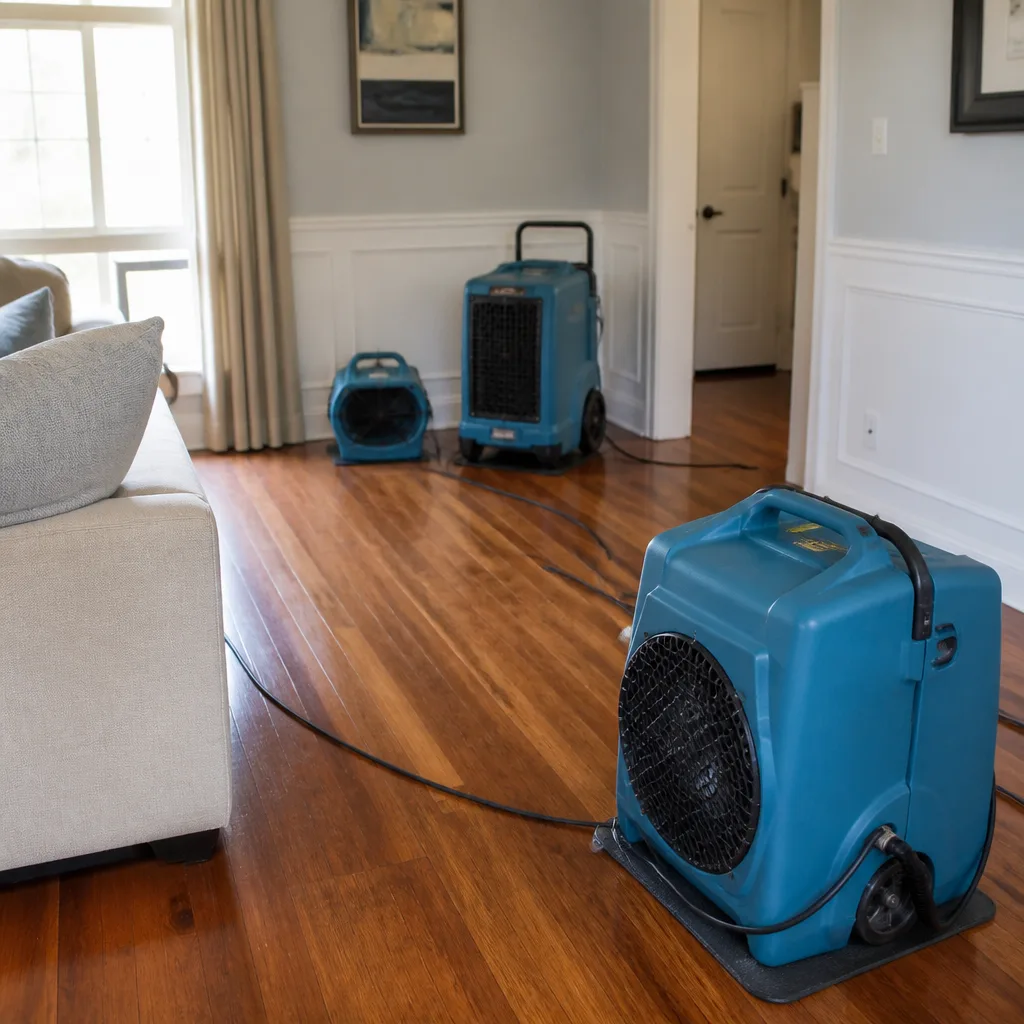
Water Damage Restoration in Huntington Beach requires this documentation to distinguish atmospheric river damage from chronic humidity conditions. Our crews arrive with Dri-Eaz and Phoenix dehumidification systems, but we cannot produce a pre-loss baseline that wasn’t collected.
Pre-Santa Ana Wind Preparations: October
October is Huntington Beach’s driest month, averaging 0.37 inches of precipitation at USC00044021. It is also the month when Santa Ana wind events, driven by high pressure over the Great Basin, push hot, dry air through the Santa Ana River canyon and across the coastal plain at sustained speeds of 25-35 mph with gusts exceeding 60 mph.
The counterintuitive risk: fire-related water damage. Not from fire suppression in your own home, though that occurs, but from ember travel that damages roofing and siding, creating penetration points that remain dry in October and become leak sources in December.
Specific Pre-Santa Ana Preparations
- Roof perimeter inspection: Walk the roof edge or hire a licensed inspector. Document with photos: tile integrity, flashing condition at all penetrations, vent screen mesh size (1/8 inch minimum for ember resistance per California Building Code Chapter 7A), and any prior repair patches. In the Huntington Harbour area, we’ve seen ember intrusion through deteriorated tile underlayment that was invisible from the ground.
- Gutter and downspout clearing: Remove accumulated summer debris. Santa Ana winds drive granular material into gutters that then block drainage during first rains. Photo-document the cleared condition.
- Exterior vent inspection: Check all soffit, ridge, and gable vents for screen integrity. Replace any damaged screening with 1/8-inch corrosion-resistant mesh. This is both ember defense and rodent exclusion, a secondary benefit in Huntington Beach’s coastal environment.
- Window and door weatherstrip: Test seal compression. Santa Ana winds drive fine dust through gaps that winter rains then follow. Document with a dollar-bill test, insert at various points, note where resistance is uneven, photograph.
- Hose bib and irrigation valve boxes: Verify shutoff function. Freeze risk is minimal in Huntington Beach, but Santa Ana wind events can cause above-ground backflow preventer damage if fixtures are exposed.
The documentation purpose here is specific: California insurers increasingly invoke “failure to protect” clauses when pre-existing maintenance deficiencies contribute to loss extent. A dated photo of intact 1/8-inch vent mesh in October, versus a post-fire photo of melted screening, proves you maintained ember defenses. A dated photo of cracked tile with no subsequent repair documentation gives the insurer their opening.
We’ve reviewed competitor estimates where the scope included full roof replacement after a December leak, but the homeowner had no October documentation and the insurer found ember damage photos from a neighbor’s social media, same wind event, same date. The claim was reduced by 60%. Haven Standard, Clause 1, a written price before work starts, would have flagged this discrepancy before any work began, but documentation is the homeowner’s responsibility.
Atmospheric River Readiness: December-March
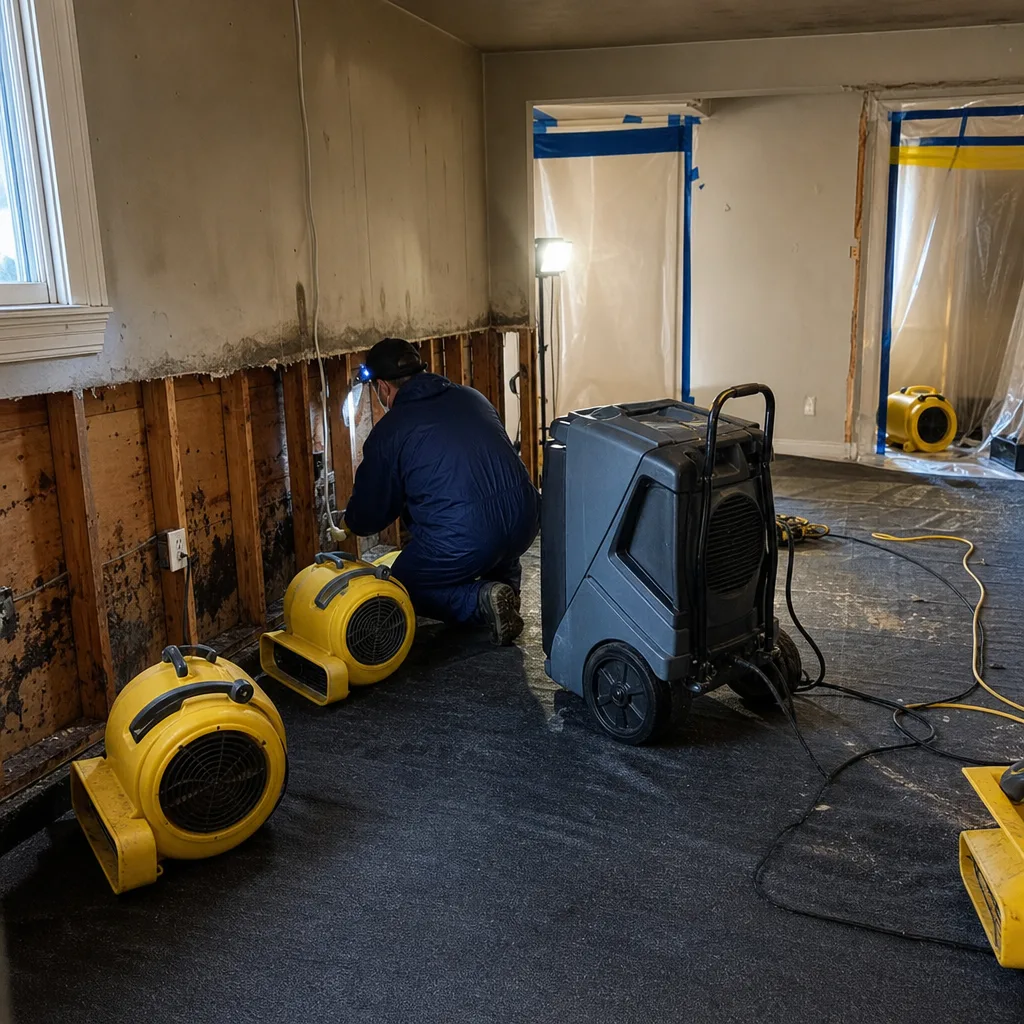
Atmospheric rivers, narrow corridors of concentrated water vapor transport from the tropical Pacific, deliver 30-50% of California’s annual precipitation in just 5-15 events per year. For Huntington Beach, these events concentrate in December through March, with January typically the wettest month at 2.8 inches average, but individual events can drop 2-4 inches in 24 hours.
The damage pattern in Huntington Beach differs from inland Orange County in three ways:
- Drainage backup: The flat topography and high water table, 8-12 feet in coastal zones, mean sustained rain overwhelms percolation. We documented this in the 2023 events in neighborhoods near the Santa Ana River, where sheet flow from upstream areas compounded local rainfall.
- Wind-driven rain: Atmospheric rivers often coincide with south-southeast winds that drive rain horizontally against north-facing walls, penetrating stucco through hairline cracks that vertical rain never tests.
- Delayed discovery: Huntington Beach’s moderate temperatures mean homeowners don’t enter attics for heating system checks, so roof leaks can progress for weeks before ceiling staining appears.
Pre-Event Checklist
- Verify sump pump function if installed; test battery backup if present.
- Confirm downspout extensions carry water 6+ feet from foundation; in Huntington Beach’s sandy soils, concentrated discharge erodes foundation perimeter quickly.
- Check garage door seal integrity; this is the most common entry point for street-level flooding in low-lying areas.
- Document exterior condition with dated photos, especially any cracks, prior stains, or repaired areas.
- Locate and test main water shutoff; know the location of irrigation isolation valves.
During events, monitor interior conditions at 4-hour intervals if safe to do so. Note any new sounds, dripping, or odors. This contemporaneous record supports claim timing.
Post-event, the sequence matters. See the next section.
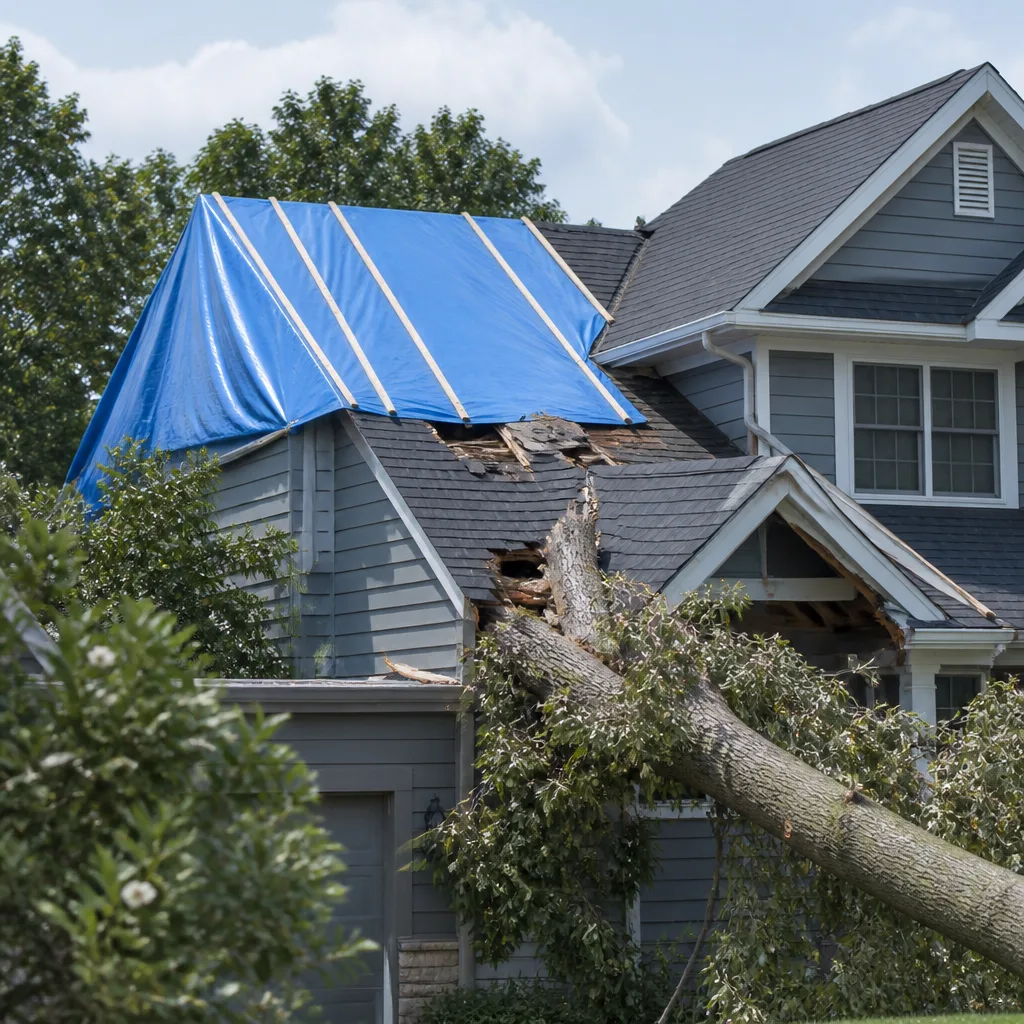
Fire & Smoke Damage Restoration in Huntington Beach often follows Santa Ana wind events that precede atmospheric rivers. The combination, fire damage compromising the envelope, then rain intrusion through compromised areas, produces complex claims that require photo documentation of both event sequences.
The 72-Hour Post-Storm Inspection Sequence
The first 72 hours after a major atmospheric river event determine whether hidden damage is found and documented or progresses to structural compromise and mold growth. This sequence orders inspections by likelihood of hidden damage, not by convenience of access.
Hour 0-24: Interior Water Migration Assessment
- Attic inspection: Enter with a headlamp and moisture meter. Check roof deck underside at all valleys, penetrations, and north-facing slopes. In Huntington Beach’s 1960s-1980s construction, skip sheathing at rafter bays often shows wetting patterns that don’t yet appear on ceiling drywall. Photograph any discoloration, measure wood moisture content, record ambient temperature and relative humidity.
- Crawl space or slab perimeter: Check for standing water, efflorescence on foundation walls, or damp soil patterns. In the Oak View and Beach Boulevard corridor areas with older slab construction, we’ve found water migration under slabs through utility penetrations that appeared dry at interior finishes.
- Wall cavity probing: At any exterior wall with visible staining or soft drywall, remove baseboard and probe with moisture pins at 6-inch intervals. Document readings with photos. This is destructive testing; document before and after condition.
Hour 24-48: HVAC and Mechanical Systems
- Ductwork inspection: Flexible duct in attics or crawl spaces often collects condensation during humidity spikes. Check for sagging, separated joints, or biological growth on exterior insulation.
- Air handler and furnace: Verify no water intrusion to combustion chambers or control boards. In Huntington Beach’s coastal environment, salt-laden moisture accelerates corrosion on heat exchangers.
- Condensate pump and drain: Test function; debris washed into lines during heavy rain causes backup.
Hour 48-72: Exterior and Drainage Verification
- Roof inspection from ground or ladder: Note any displaced tiles, damaged flashing, or debris accumulation. Do not walk the roof if wet or windy.
- Gutter and downspout function: Run water from a hose at each downspout; verify flow and absence of leaks at seams.
- Grading and drainage: Verify no new erosion patterns, soil settlement against foundation, or pooling in planter beds against stucco.
- Exterior stucco and sealant: Check for new cracking, especially at window and door perimeters where wind-driven rain concentrated.
This sequence prioritizes interior hidden damage over visible exterior damage because interior conditions worsen fastest and are hardest to document after repair. A homeowner who cleans gutters on day one but doesn’t enter the attic until day five may find mold growth that started at 48 hours, the typical colonization threshold for Aspergillus and Penicillium species on wet cellulose.
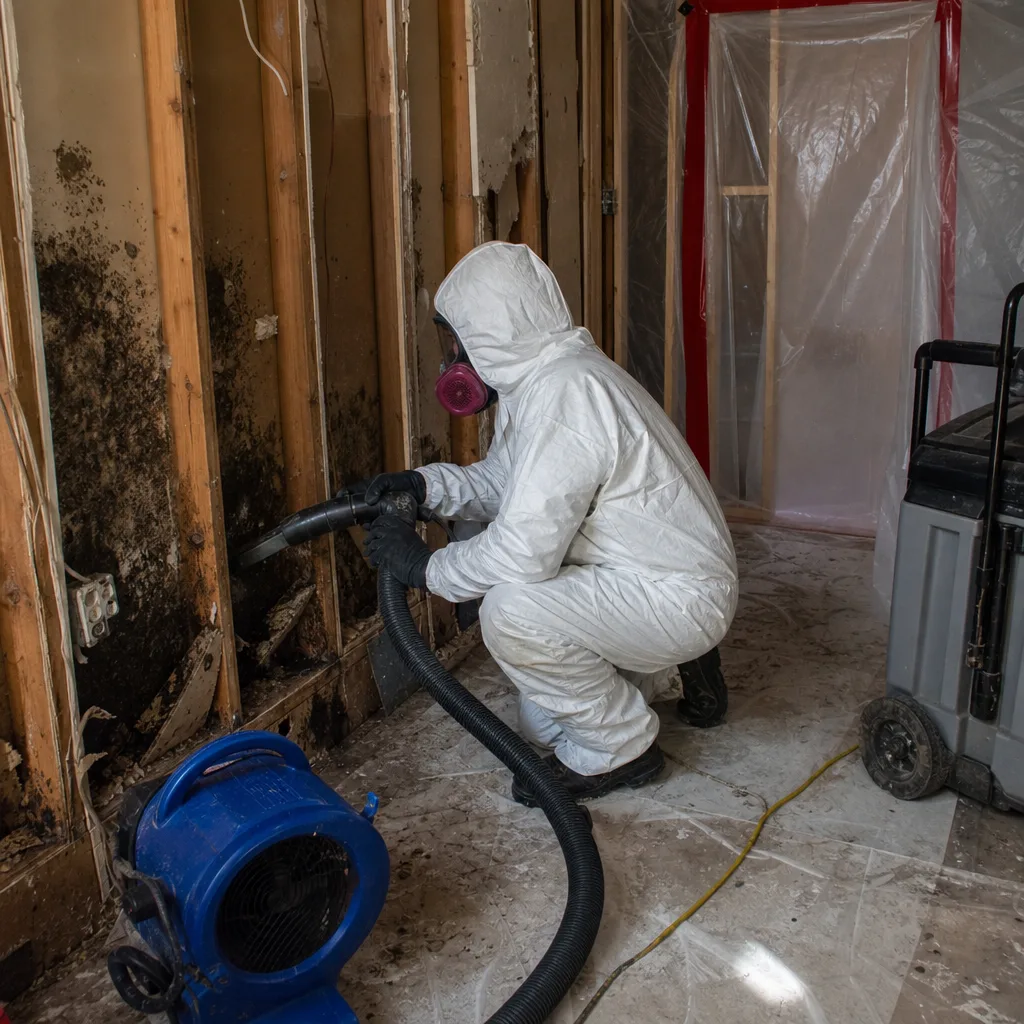
Mold Remediation in Huntington Beach requires documentation of moisture duration to determine remediation scope under IICRC S520 standards. Without the 72-hour inspection record, we must assume extended wetting and scope more conservatively, which affects both cost and claim negotiation.
Building Your Seasonal Inspection Log
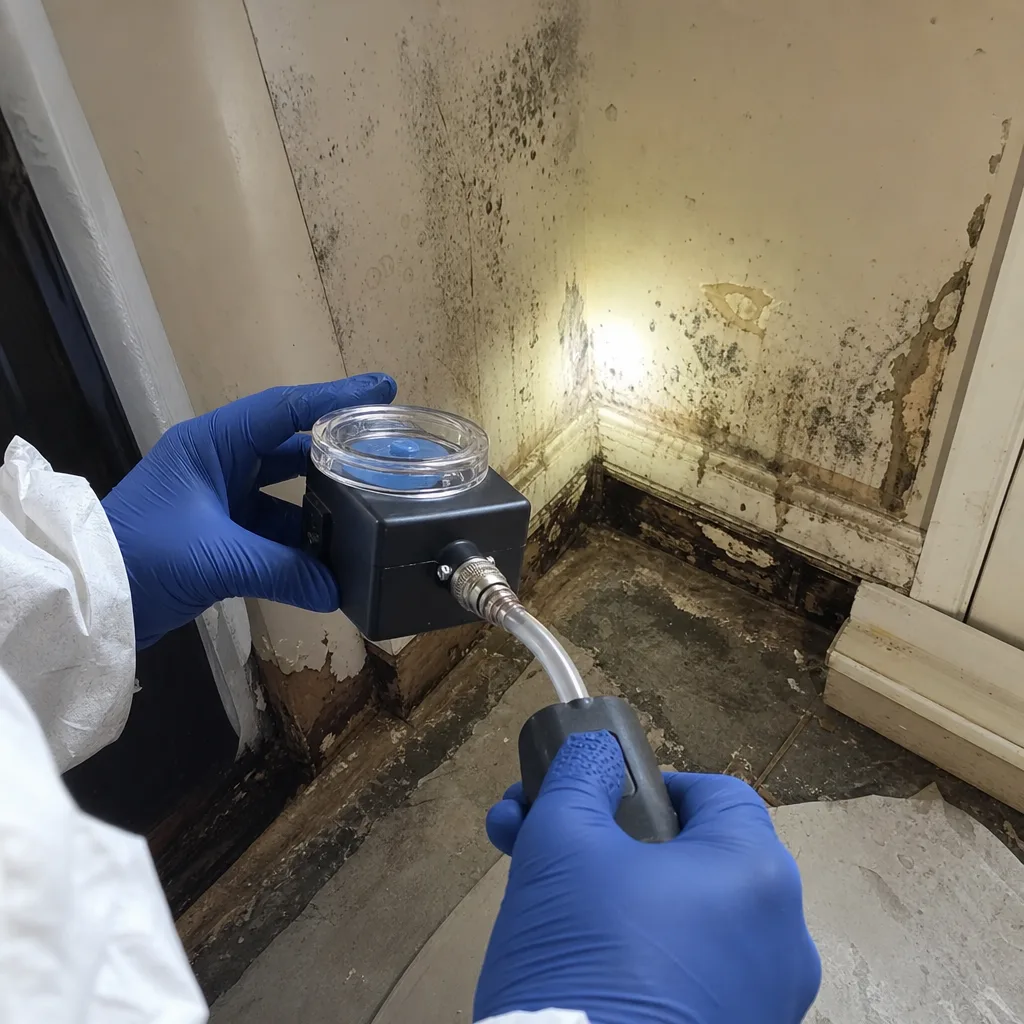
The seasonal inspection log is not a maintenance checklist. It is a pre-loss condition record organized to support claim documentation. We’ve refined this format through 12,000+ restorations and adjuster reviews.
Log Structure
Organize by system, not by date. Each system gets a dedicated section with:
- System identifier: Roof, HVAC, Plumbing, Exterior Envelope, Foundation/Drainage.
- Baseline condition: Dated photos with measurement data where applicable.
- Inspection history: Date, inspector name, findings, action taken, follow-up date.
- Repair/modification record: Date, contractor, scope, permit number if applicable, final inspection date.
Photo Documentation Standards
- Include a scale reference or familiar object for size context.
- Photograph the overall context, then the specific condition, then any measurement display.
- Use consistent lighting; overcast days reduce glare on reflective surfaces like stucco and roofing.
- Back up immediately to cloud storage with automatic date stamping; phone metadata is often stripped during claim submission.
- Name files systematically: 2024-06-15_Roof_SouthValley_MoistureReading_18pct.jpg
Huntington Beach-Specific Log Entries
Include these location-specific items that generic logs miss:
- Marine layer humidity baseline, June-July, with specific readings from your structure.
- Santa Ana wind event documentation, any visible debris impact, vibration damage, or ember deposition.
- Atmospheric river event log, rainfall total from personal gauge or nearby COCORAHS station, duration, and any observed drainage performance.
- Neighbor construction activity, vibration from pile driving or grading can damage aging plumbing in Huntington Beach’s 1950s-1970s neighborhoods.
Store the complete log in three locations: cloud, local external drive, and physical copy in fire-resistant storage. We’ve had homeowners lose digital records in electrical fires and physical records in floods. Redundancy is documentation.
The Haven Standard requires our technicians to add to this log on every visit: dated photo record, moisture readings, equipment placement diagram, and daily drying log. When the homeowner maintains the pre-loss portion and we maintain the restoration portion, the complete record satisfies any adjuster review.
Common Mistakes to Avoid
- Assuming “no rain in October” means no October risk. Santa Ana wind damage creates the penetration points that atmospheric rivers exploit in December. The dry month is when damage happens, not when it appears.
- Using a generic four-season maintenance calendar. Huntington Beach’s NOAA data shows no meaningful spring or fall precipitation pattern. The relevant divisions are marine layer humidity, Santa Ana wind, and atmospheric river periods.
- Documenting only visible damage. We’ve found moisture readings of 35% wood moisture content in attic rafters with no visible staining. By the time staining appears, structural damage and mold colonization have progressed.
- Discarding old inspection records. Insurers sometimes request 3-5 years of maintenance history to establish pre-loss condition. The homeowner who upgraded their HVAC in 2019 and kept the installation documentation proved that a 2024 attic leak was not condensate line deterioration.
- Ignoring the “failure to protect” clause until it’s invoked. California policies require reasonable maintenance. A dated photo of intact vent screens before a fire event prevents the insurer from claiming negligent ember defense.
- Relying on HOA or municipal maintenance for drainage. In Huntington Beach’s flat coastal areas, municipal drainage capacity varies by tide level and upstream flow. Your specific property’s drainage performance is your documentation responsibility.
- Waiting for visible mold before calling. IICRC standards define Category 1 water becoming Category 2 at 48 hours and Category 3 at 72 hours based on microbial growth, not visible colonization. Early documentation and drying prevents category escalation and coverage disputes.
When to Call a Professional
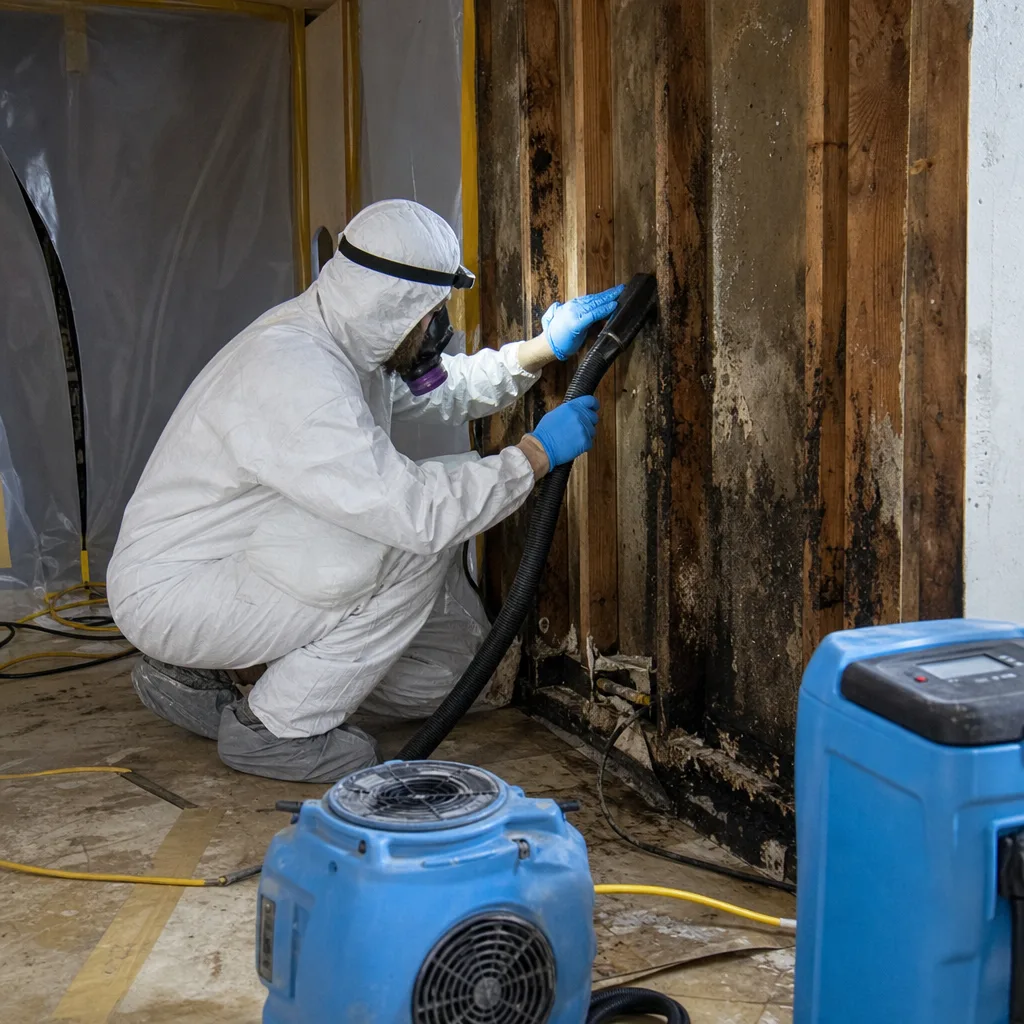
Call for professional assessment when moisture readings exceed 20% wood moisture content in structural members, when you detect musty odor without visible source, when any water intrusion reaches wall cavities or insulation, or when an insurer requests documentation you cannot produce. Electrical panel exposure, gas line compromise, or structural sagging require immediate evacuation and professional response.
For fire or smoke damage, professional assessment is warranted when odor persists after ventilation, when soot has contacted HVAC systems, or when any structural member shows heat distortion. The combustion byproducts in modern synthetic materials require specific cleaning protocols under IICRC S700 standards.
DryMark Restoration Huntington Beach offers free estimates in Huntington Beach. Our documentation-first approach means you receive a written scope and price before any work begins, Haven Standard, Clause 1, with photo documentation on every visit and daily drying logs that satisfy adjuster review. Call (657) 288-3467 for assessment or a free second opinion on any competitor’s written estimate.
Frequently Asked Questions
Water damage mitigation typically ranges from $1,800 for contained single-room drying to $8,500+ for whole-house atmospheric river recovery with structural drying and reconstruction. See our Damage Restoration Cost Breakdown: The Huntington Beach Homeowner’s Reference for 2026 for detailed pricing guidance. Mold remediation averages $2,200-$6,000 depending on affected square footage and containment complexity. Fire and smoke restoration ranges $4,500-$15,000+ based on odor penetration depth and HVAC involvement. Every DryMark Restoration Huntington Beach estimate is written and delivered before work starts, with no scope additions once crews are on site. Call (657) 288-3467 for an exact quote, estimates are free.
Coverage depends on your policy’s reporting requirements and your documentation of when damage likely occurred. Most California HO-3 policies require “prompt” reporting, typically interpreted as 14 days from discovery, not from the event. Your seasonal inspection log with dated photos establishes discovery date. Without documentation, insurers may argue the damage predated the policy period or resulted from long-term maintenance neglect. We coordinate directly with adjusters and provide the photo records and moisture logs that support timely discovery claims.
Live phone coverage is available 24 hours a day, 7 days a week with no voicemail on emergency lines. Emergency dispatch for active water intrusion targets arrival within 90 minutes in Huntington Beach city limits during normal demand periods. During major atmospheric river events with regional demand surge, we prioritize by active water flow and safety risk, with transparent communication on estimated arrival. Reconstruction and non-emergency services are scheduled, not dispatched, with written scope and price confirmed before any work date.
Visible growth on a surface indicates established colonization; the question is extent. IICRC S520 requires assessment of hidden growth in wall cavities, HVAC systems, and structural voids before determining remediation scope. A 2-square-foot surface patch may indicate 20 square feet of hidden growth on the cavity side. We provide containment-isolated inspection with photo documentation before recommending scope. Our free second opinion service reviews competitor scopes for appropriate containment and air filtration requirements.
DryMark Restoration Huntington Beach coordinates directly with your adjuster, providing daily drying logs, photo documentation, equipment placement records, and moisture reading summaries formatted for claim review. Our documentation package includes the psychrometric data, vapor pressure differential calculations, and tertiary drying verification that adjusters need to approve invoice payment. You remain the policyholder and approve all scope decisions, but we handle the documentation burden that otherwise falls on you during an already disruptive period.
Marine layer humidity produces gradual, uniform moisture absorption across all exposed surfaces, with wood moisture content typically stabilizing at 16-20%. Active water intrusion produces localized, asymmetric wetting patterns with readings of 25-35% or higher, often with steep gradients between wet and adjacent dry areas. The seasonal inspection log’s June baseline lets us compare January readings and identify intrusion patterns versus humidity equilibrium. Without that baseline, we must assume worst-case conditions and scope more extensively, which affects both timeline and cost.
The Bottom Line
Huntington Beach’s damage risk follows a two-threat calendar: Santa Ana winds in October that compromise the building envelope, and atmospheric rivers in December-March that exploit those compromises. The marine layer period of May-July, often dismissed as mild weather, is actually the critical documentation window for baseline moisture readings. A homeowner who maintains a seasonal inspection log with dated photos, organized by system, transforms the claims process from adversarial to administrative. The documentation you collect in June is the evidence that protects your coverage in January. DryMark Restoration Huntington Beach builds every restoration on this documentation foundation, with written prices before work begins, photo records on every visit, and the 365-Day Done Right Promise under The Haven Standard.
Written by Alicia Brennan, Owner at DryMark Restoration Huntington Beach, serving Huntington Beach since 2011.