
Last updated September 23, 2026
Free visual inspection and a written scope of work before any mitigation begins - photos, moisture readings, and drying logs go in your claim file
The scope we write is the scope we bill. Anything new gets shown to you, in writing, before we touch it.
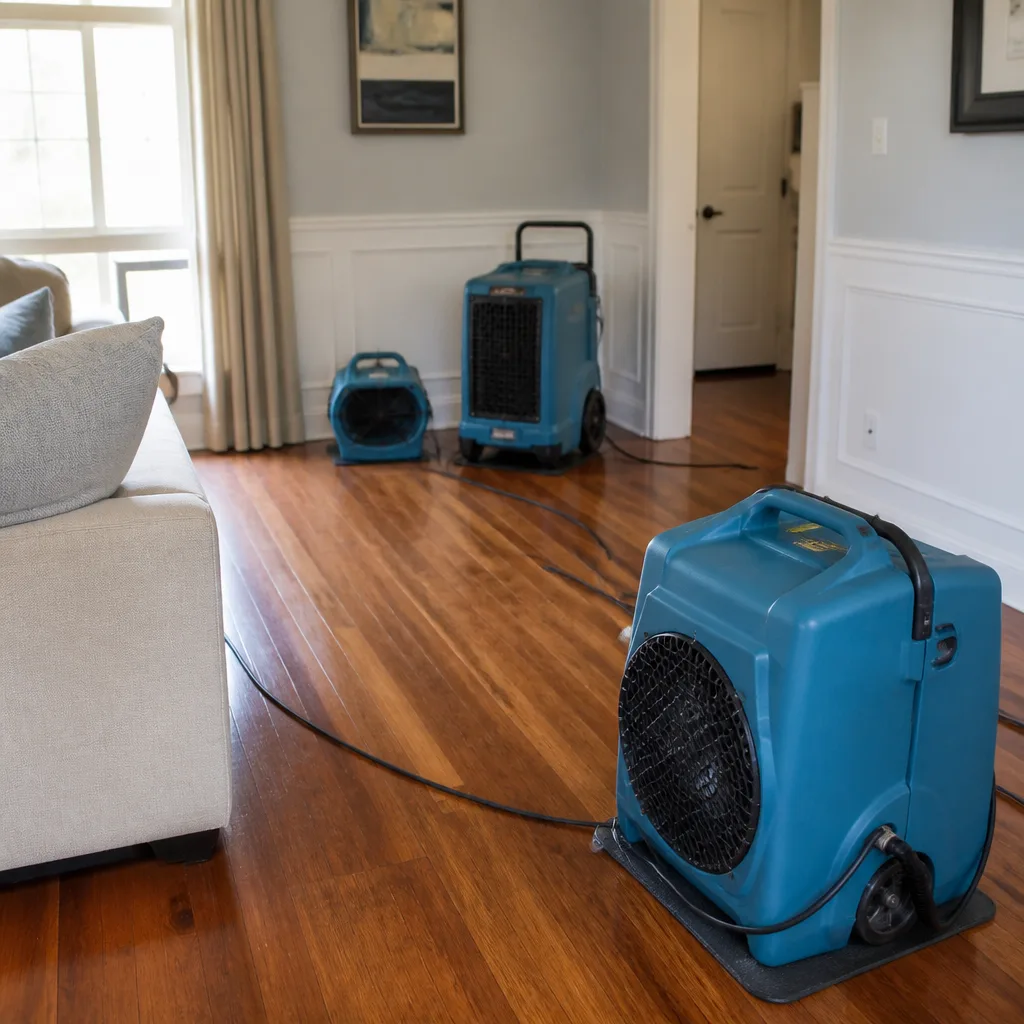

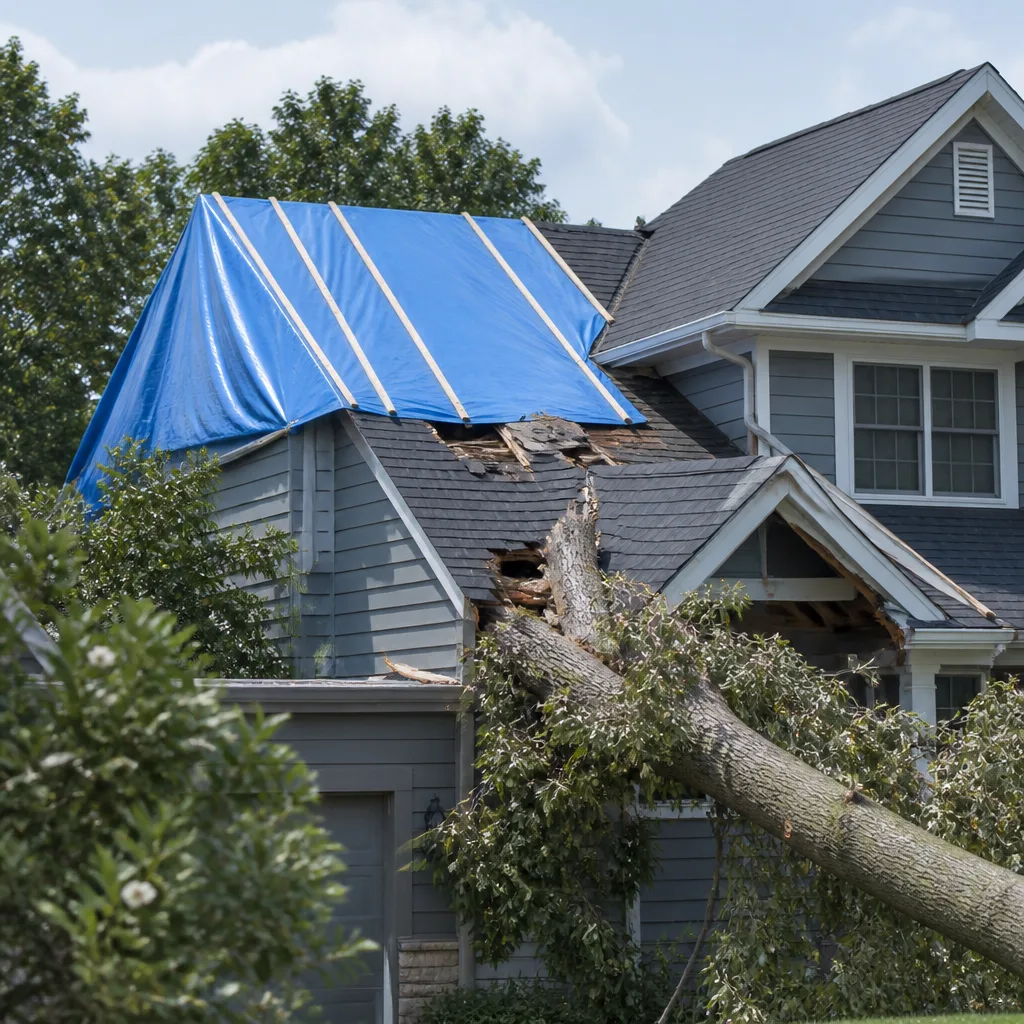

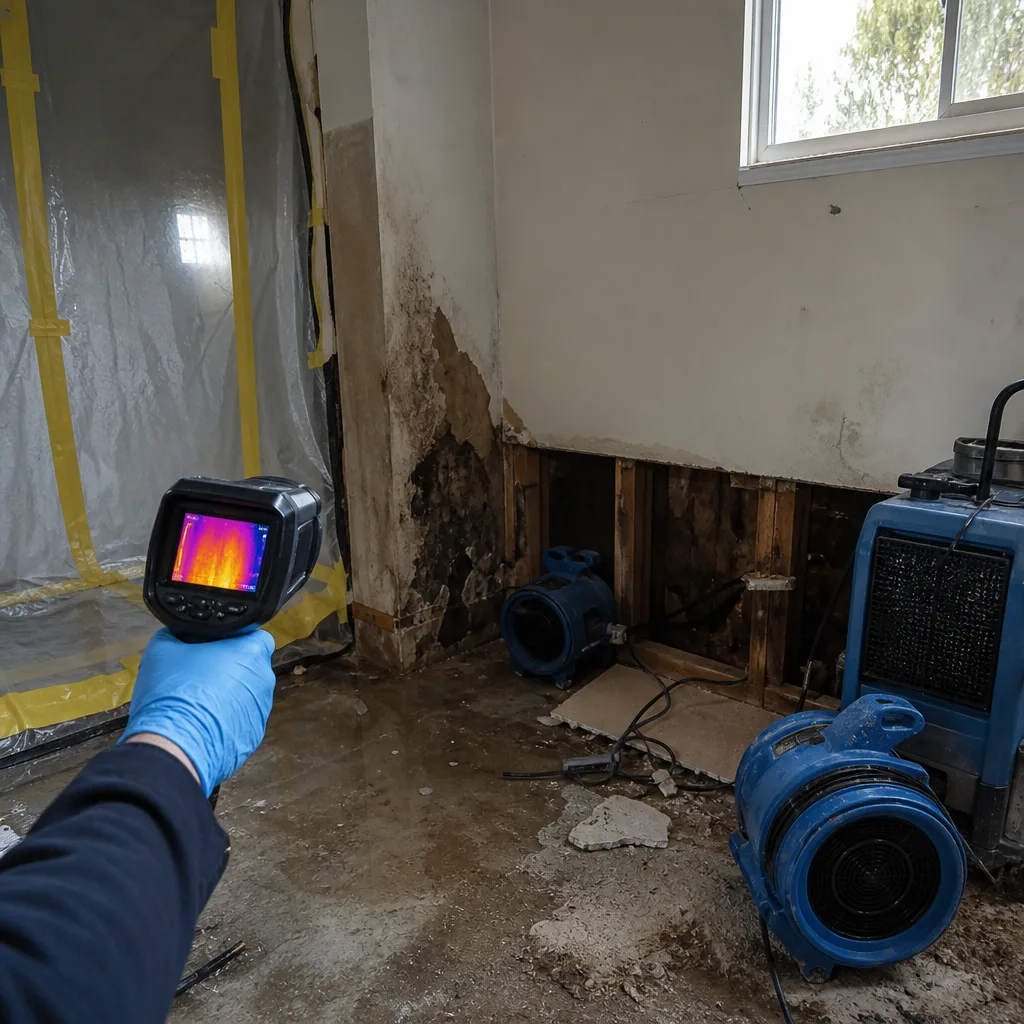 Before
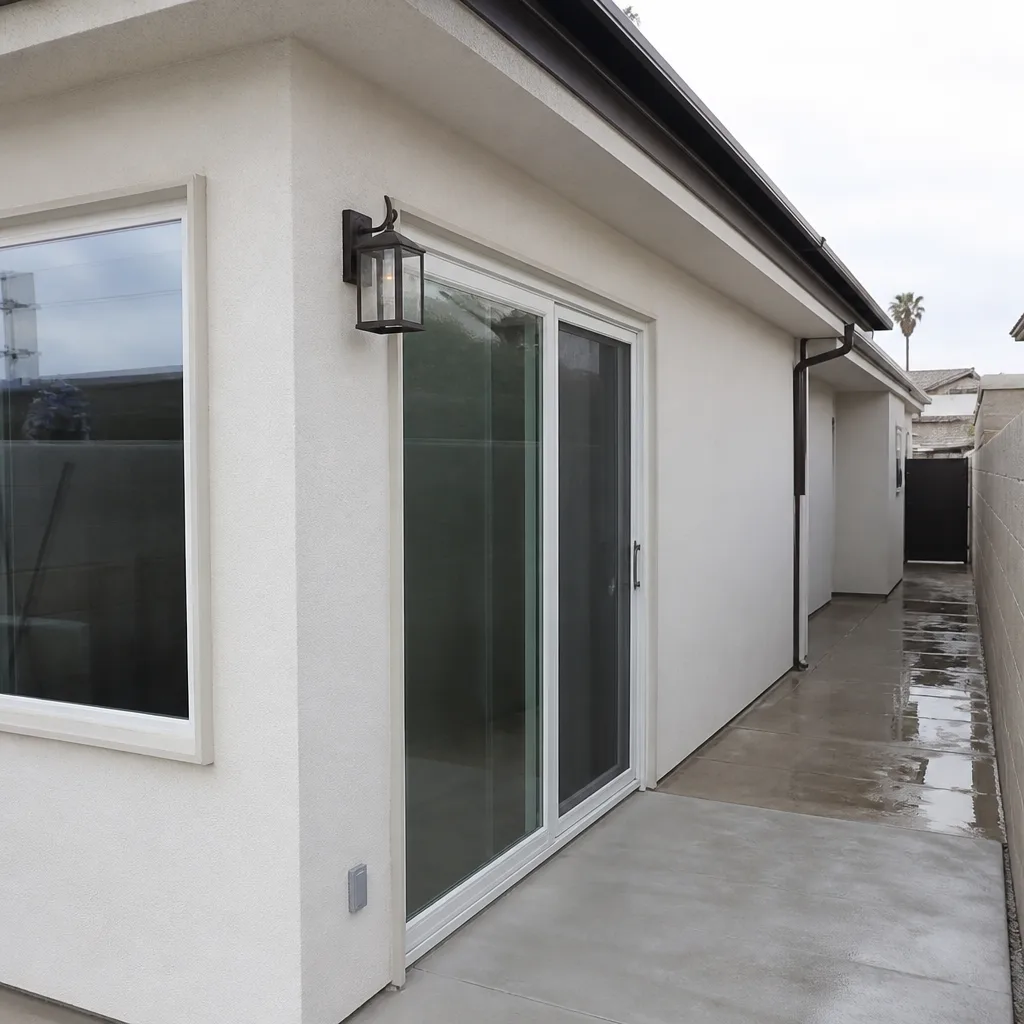 After
After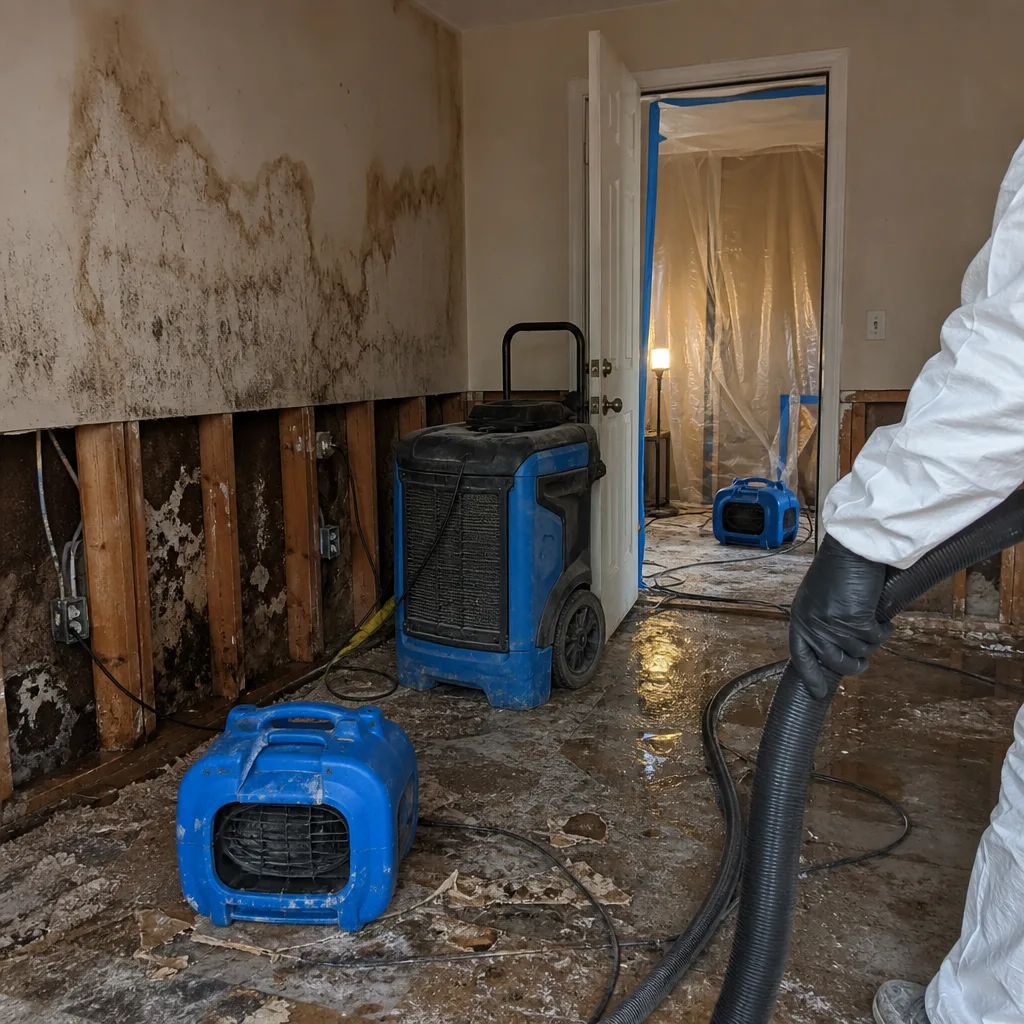 Before
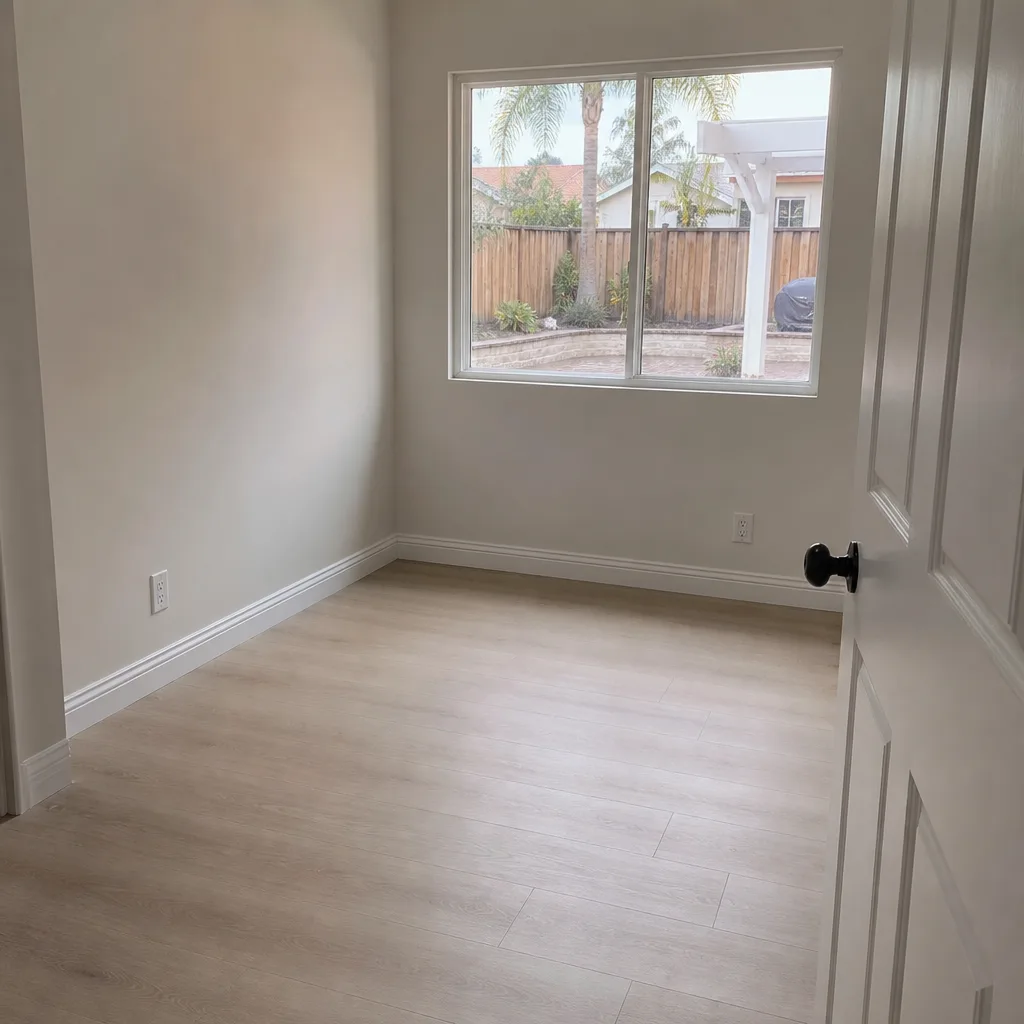 After
After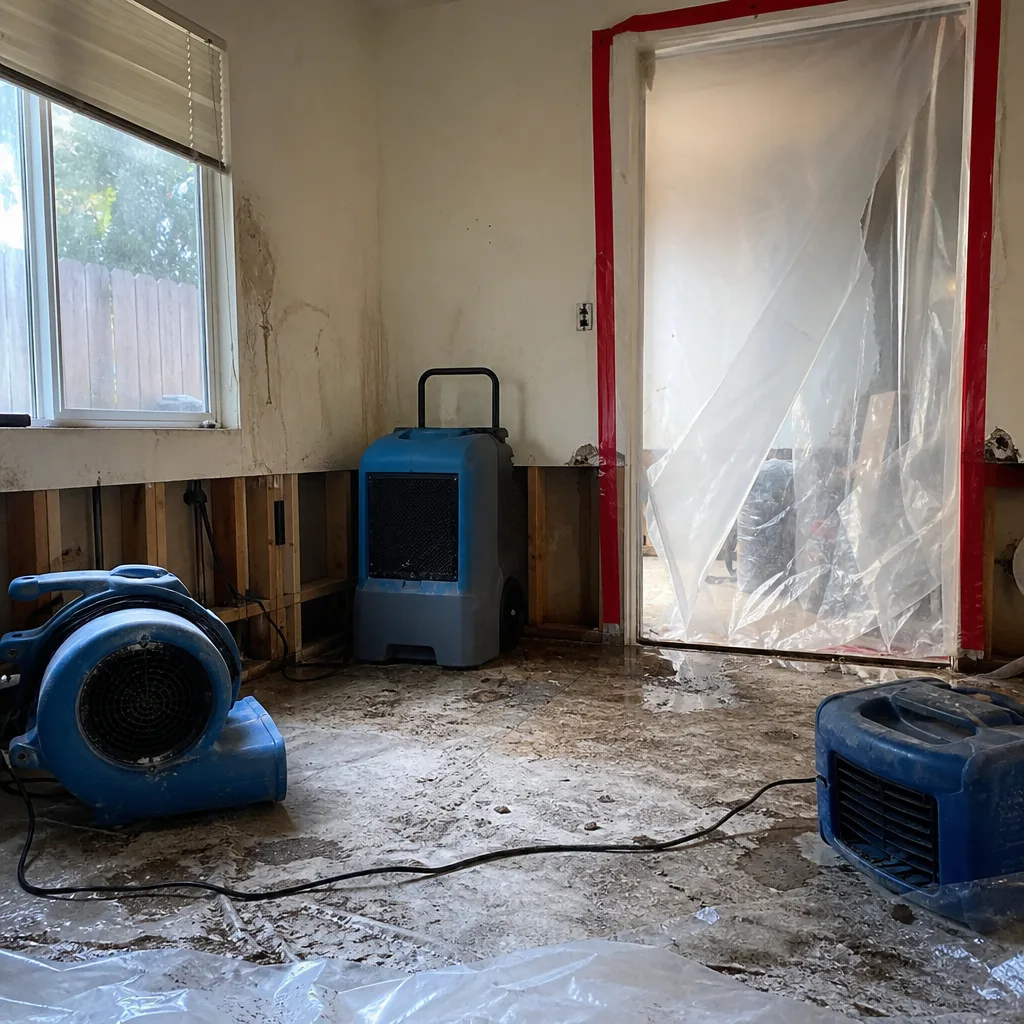 Before
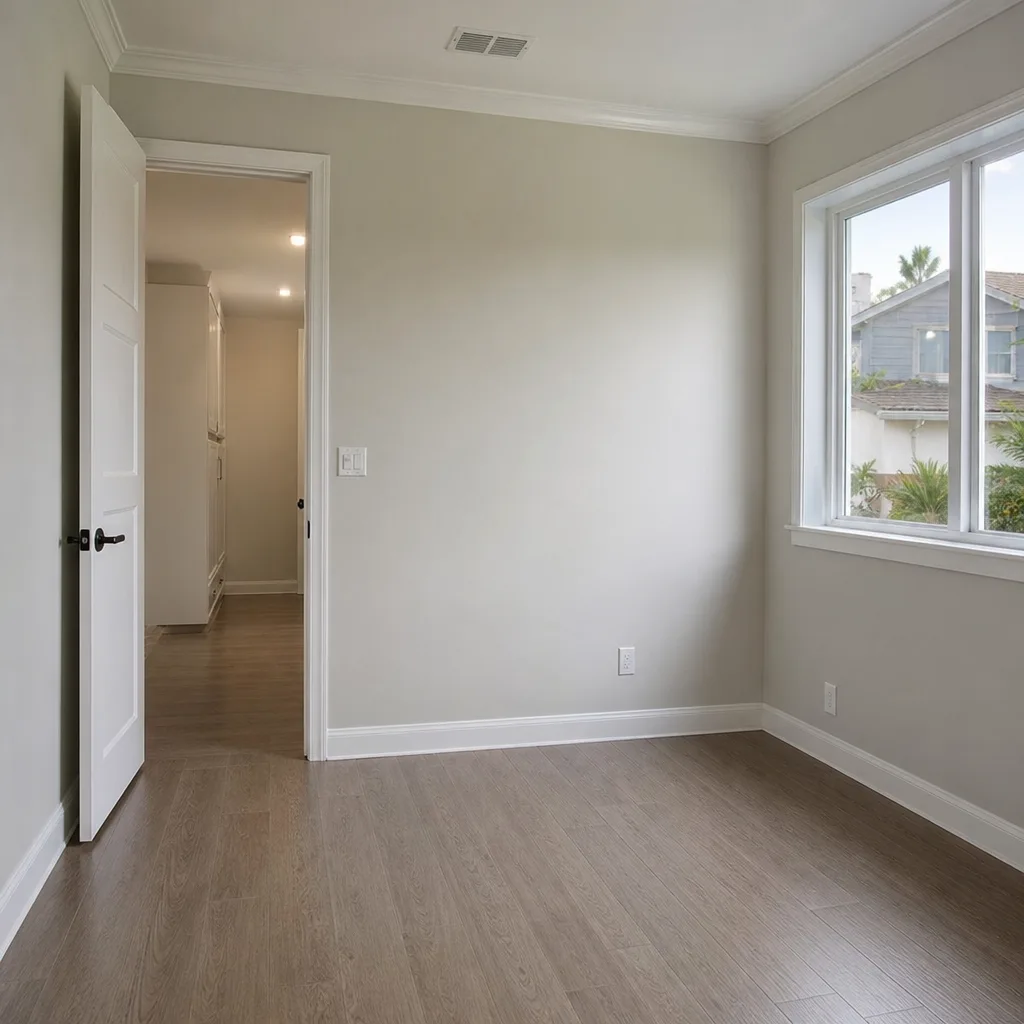 After
AfterWater Damage Restoration Maintenance Checklist for Huntington Beach Homeowners
Here’s the problem with every other water damage checklist you’ve read: it tells you what to look at, but not what to prove. In Huntington Beach, we’ve seen a $47,000 kitchen restoration denied because the homeowner had a single photo on their phone, dated three months before the pipe burst, showing a water stain under the sink. The adjuster called it a “known loss.” The policy paid zero. California HO-3 policies contain a known-loss exclusion that voids coverage when damage existed before the incident date, even if you never reported it. This guide teaches you to inspect your home, document what you find, and build a defensible record that protects your coverage when you actually need it. For broader context, see our The Complete Guide to Damage Restoration in Huntington Beach.
Quick Answer
A Water Damage Restoration maintenance checklist for Huntington Beach homeowners should include quarterly inspections of salt-air-corroded supply lines, annual HVAC drain pan and roof flashing checks, and a dated, metadata-intact photo log stored in cloud backup. Normal moisture readings for Huntington Beach stucco-on-slab construction range from 6-12% on drywall and 4-9% on structural wood; readings above 15% on drywall or 12% on framing indicate active intrusion requiring professional assessment.
Table of Contents
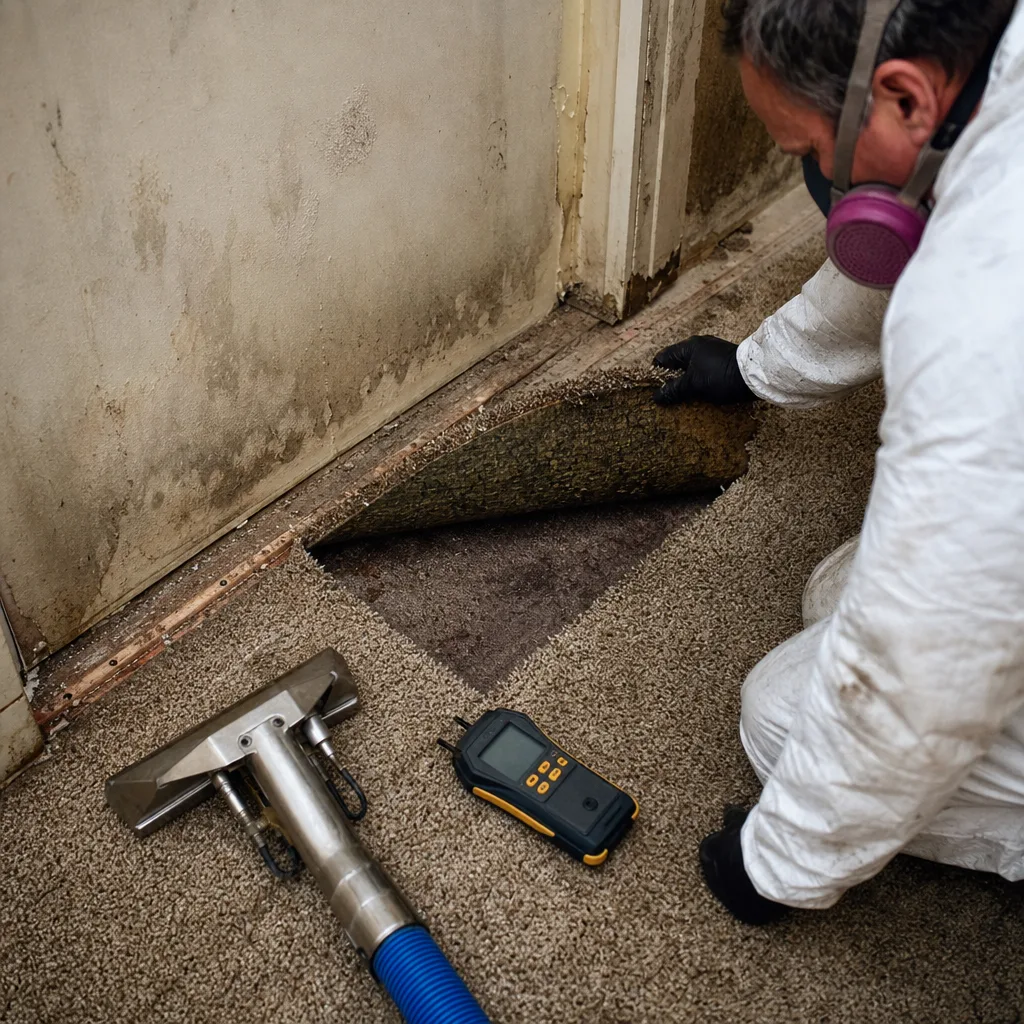
- Why Documentation Beats Inspection in Huntington Beach
- Quarterly Maintenance Tasks: January, April, July, October
- Annual Maintenance Tasks: March and September
- Salt-Air Corrosion Points Unique to Huntington Beach
- Building a Defensible Photo Log
- Moisture Reading Benchmarks for Local Construction
- Gradual Damage Exclusions: What Skipped Maintenance Costs You
- Tools and Equipment for Home Documentation
 Before
 After
AfterWhy Documentation Beats Inspection in Huntington Beach
We’ve restored over 12,000 homes since 2011, and the pattern is consistent: the homeowner who loses their claim isn’t the one who ignored the leak. It’s the one who saw something, did nothing, and left a digital trail. A photo of a stained cabinet. A text to a friend about a “musty smell.” A Facebook post asking for plumber recommendations. Adjusters find these. They use them.
The Haven Standard, which governs every job we take, was built around this gap. Alicia Brennan founded DryMark Restoration Huntington Beach home after working as a claims adjuster and watching homeowners lose coverage not because they were negligent, but because they couldn’t prove they weren’t. Documentation isn’t paranoia. It’s the difference between a paid claim and a denied one.
In Huntington Beach specifically, three factors make documentation more critical than in inland markets:
- Salt-air corrosion accelerates failure timelines. A supply line fitting that lasts 15 years in Riverside may fail in 8-10 years here. An adjuster who finds corrosion without maintenance records can argue the failure was foreseeable.
- Slab-on-grade construction hides slow leaks. Without a basement or crawl space, water travels through concrete pores and sub-slab sand before showing surface symptoms. By then, the damage pattern looks like long-term neglect.
- Seasonal Santa Ana winds drive moisture into building cavities. Wind-driven rain penetrates stucco through hairline cracks that close when winds subside, creating intermittent leak patterns that insurers classify as maintenance failures.
Your checklist must produce evidence, not just awareness. Every item below includes a documentation requirement.
Quarterly Maintenance Tasks: January, April, July, October
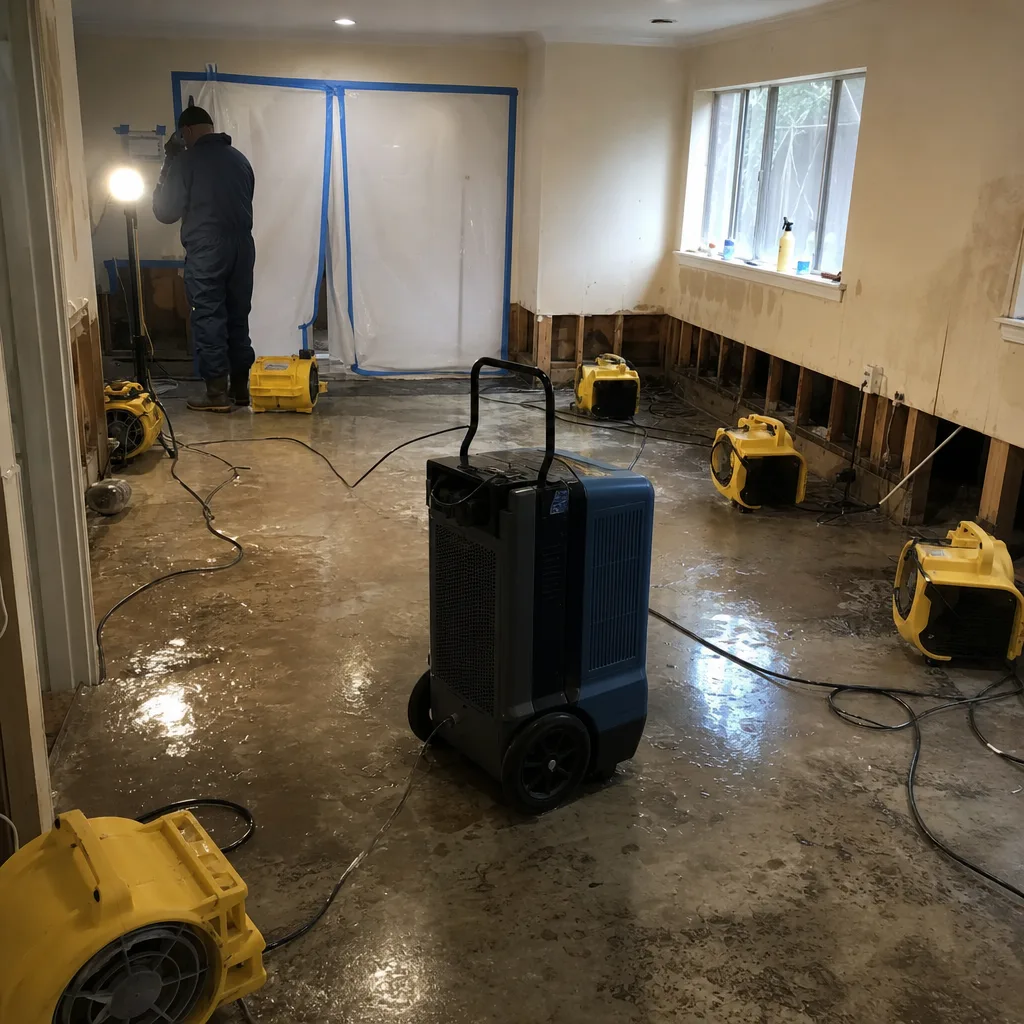
Quarterly tasks target active systems with moving water: supply lines, drains, appliances, and HVAC condensate. In Huntington Beach, we schedule these in January, April, July, and October to align with the region’s minimal but concentrated winter precipitation and the Santa Ana wind season that typically runs October through March.
Task 1: Under-Sink Supply Line Inspection
Check braided stainless steel and copper supply lines at every sink, toilet, and appliance. In Huntington Beach’s salt-air environment, look specifically for greenish corrosion at copper-to-brass connections and white crystalline deposits on compression fittings. These are chloride-induced corrosion indicators that progress faster within 3 miles of the coast.
Documentation required: One photo per sink, clearly showing the fitting condition, with your phone’s location services enabled to capture GPS metadata. Upload to cloud storage same day. Name file: YYYY-MM-DD_KitchenSink_PEX_Fitting.jpg
Task 2: Washing Machine Hose Assessment
Rubber washing machine hoses should be replaced every 3-5 years in coastal environments; braided steel every 7-10. Check for blistering, kinking, or corrosion at the valve connection. The valve itself should operate smoothly without dripping when cycled open and closed.
Documentation required: Photo of hose label showing manufacture date (or your replacement date sticker), plus photo of valve in open and closed positions. These establish your maintenance diligence if a burst occurs.
Task 3: Water Heater Pan and T&P Valve
California plumbing code requires a drain pan under water heaters in most installations, but in Huntington Beach’s slab-on-grade homes, these pans often drain to nowhere or into the slab itself. Check that the pan is dry, the temperature-and-pressure relief valve discharges properly when tested (catch the water; don’t let it run into the pan undocumented), and the sacrificial anode rod isn’t excessively corroded.
Documentation required: Photo of dry pan, photo of T&P valve discharge during test with date visible on a paper timestamp in frame.
Task 4: HVAC Condensate Line and Pump
Even in winter, Huntington Beach homes run heating that produces condensate. Check the primary and secondary drain lines for algae blockage, and test the condensate pump by lifting the float switch manually. The pump should activate immediately and discharge fully.
Documentation required: Video of pump activation, 10-15 seconds, showing clear discharge. Save with date in filename.
Task 5: Exterior Hose Bibs and Irrigation Backflow
Freeze risk is minimal in Huntington Beach, but hose bibs still crack from age and corrosion. Check for weeping around the stem when under pressure. Test irrigation backflow preventers for proper sealing; a failed backflow can introduce standing water into wall cavities when the system pressurizes.
Documentation required: Photo of each bib with water running, showing no weeping at stem packing. Photo of backflow test tag with current date.
Annual Maintenance Tasks: March and September
Annual tasks address systems with slower failure modes: roofing, flashing, drainage infrastructure, and whole-house moisture baselines. We schedule these in March (post-winter, pre-Santa Ana) and September (post-summer, pre-winter) to capture seasonal wear patterns.
March: Post-Winter Roof and Exterior Assessment
- Roof penetration flashings: Check all vent pipes, chimneys, and skylight curbs for lifted or cracked sealant. In Huntington Beach, UV degradation and salt-air corrosion attack galvanized flashings faster than inland markets. Look for rust streaks on shingles or tiles below metal components.
- Stucco crack mapping: Walk the exterior and photograph any cracks wider than 1/16 inch. Measure with a crack gauge or credit card edge. Horizontal cracks at slab level indicate potential moisture intrusion paths. Vertical cracks at window corners suggest frame movement from water damage.
- Grade and drainage: Soil should slope away from foundation at minimum 6 inches over 10 feet. In Huntington Beach’s sandy soils, settling is common. Check that hardscape (patios, walkways) hasn’t settled to create pooling against the slab.
- Gutter and downspout function: Even with minimal rainfall, gutters collect salt spray and debris that accelerates corrosion. Verify flow path directs water at least 6 feet from foundation. Document any overflow points during rain.
September: Pre-Winter HVAC and Interior Baseline
- Whole-house moisture reading baseline: Using a pinless moisture meter, record readings at standard locations: 2 feet above baseboard on north-facing exterior walls, under windows, behind toilets, and at slab perimeter. See the benchmarks section below for normal ranges.
- Attic or ceiling cavity inspection: If accessible, check for staining on rafters, compressed or discolored insulation, and proper ventilation flow. In Huntington Beach, roof deck temperatures can exceed 150°F in September; inadequate ventilation bakes moisture into sheathing.
- Caulk and sealant inventory: Check kitchen and bath sealants at tub-to-tile, sink-to-countertop, and shower door frames. Failed sealant is the leading “gradual damage” exclusion trigger for bathroom water claims.
Salt-Air Corrosion Points Unique to Huntington Beach
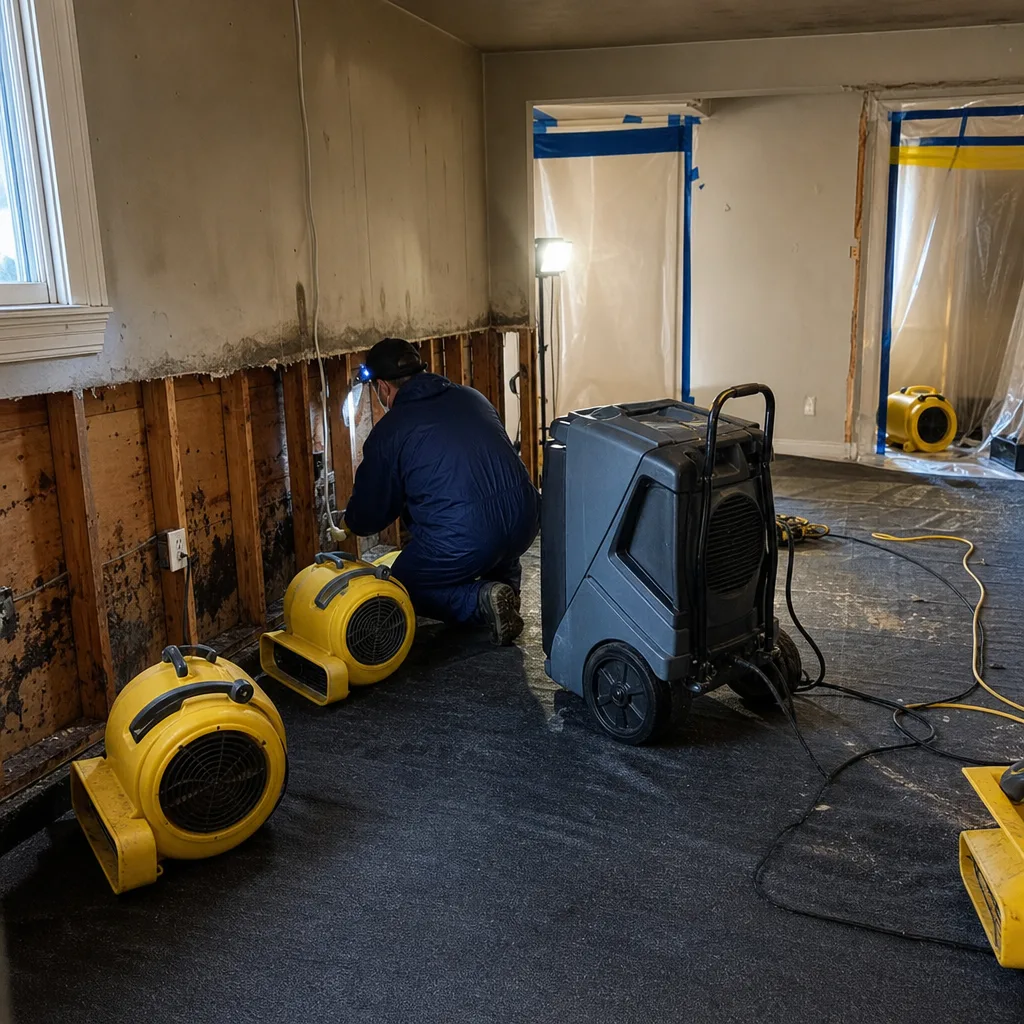
Chloride-induced corrosion affects specific components faster in coastal Orange County than inland California markets. These are the inspection points where generic checklists fail Huntington Beach homeowners.
Brass and bronze fittings within 1,500 feet of Pacific Coast Highway: Dezincification, a selective corrosion of zinc in brass alloys, turns fittings porous and prone to sudden failure. The visual indicator is a pinkish or reddish color where brass should appear yellow. Replace any fitting showing this color change; don’t wait for leakage.
Galvanized steel roof flashings: Salt spray accelerates the zinc coating’s consumption. Once the zinc is breached, steel rusts rapidly. Look for white powdery corrosion products (zinc oxide) transitioning to red rust. The transition point is your replacement window; you’ve lost protection.
Copper refrigerant lines in coastal HVAC installations: Formicary corrosion, driven by salt and organic acids, creates pinhole leaks from the inside out. External inspection won’t catch it. If your HVAC system requires refrigerant charging more than once every 3 years, request a pressure test and document the result.
Stainless steel braided supply lines: Not all stainless grades resist chlorides. Type 304, common in budget supply lines, can stress-corrosion crack in salt air. Type 316 is preferred within 2 miles of the coast. Check the printing on the line; if it doesn’t specify 316, consider proactive replacement.
Concrete and stucco reinforcement: Salt-laden moisture wicks through stucco to corrode steel lath and reinforcing. The indicator is rust staining at cracks or spalling (surface flaking) that exposes aggregate. This is structural, not cosmetic, and indicates long-term moisture intrusion that insurers will classify as maintenance-neglect.
Building a Defensible Photo Log
A photo log that protects your claim must satisfy three tests: authenticity (when was it taken), integrity (has it been altered), and relevance (what does it show). Here’s how to meet each standard with smartphone tools.
Metadata Preservation
Modern smartphones embed EXIF data: timestamp, GPS coordinates, device identifier, and often a thumbnail of the unedited image. This is your authenticity foundation. To preserve it:
- Enable location services for your camera app. The GPS coordinates prove you were at the property.
- Do not edit photos within your phone’s native editor. Cropping, filtering, or adjusting exposure strips or alters original metadata. If you need to annotate, use a separate app that saves the original untouched.
- Upload to cloud storage (Google Photos, iCloud, Dropbox) within 24 hours. Cloud upload timestamps provide secondary authentication of when the image was captured.
- Never screenshot a photo to “save” it. Screenshots create new files with new timestamps and no original metadata.
Structured Naming and Storage
Create a folder system by date and system:
WaterDamageDocs/2024/2024-03-15_RoofInspection/
WaterDamageDocs/2024/2024-07-15_HVAC_Condensate/
Filename format: YYYY-MM-DD_Location_Component_Condition.jpg
Example: 2024-07-15_Kitchen_PEXSupply_DryNoCorrosion.jpg
This structure lets you retrieve evidence in minutes when an adjuster questions pre-loss condition.
In-Frame Documentation Techniques
For critical components, include a handwritten or printed date card in the frame. This defeats claims that you reused old photos. Write the date, your initials, and the address on an index card; place it in frame before shooting. This is admissible evidence practice borrowed from construction documentation.
Video Documentation
For functional tests (pump activation, water flow, drainage), 15-30 second videos are more persuasive than stills. State the date, location, and what you’re testing at the beginning of the recording. Upload to cloud storage; don’t rely on phone storage alone.
Moisture Reading Benchmarks for Local Construction
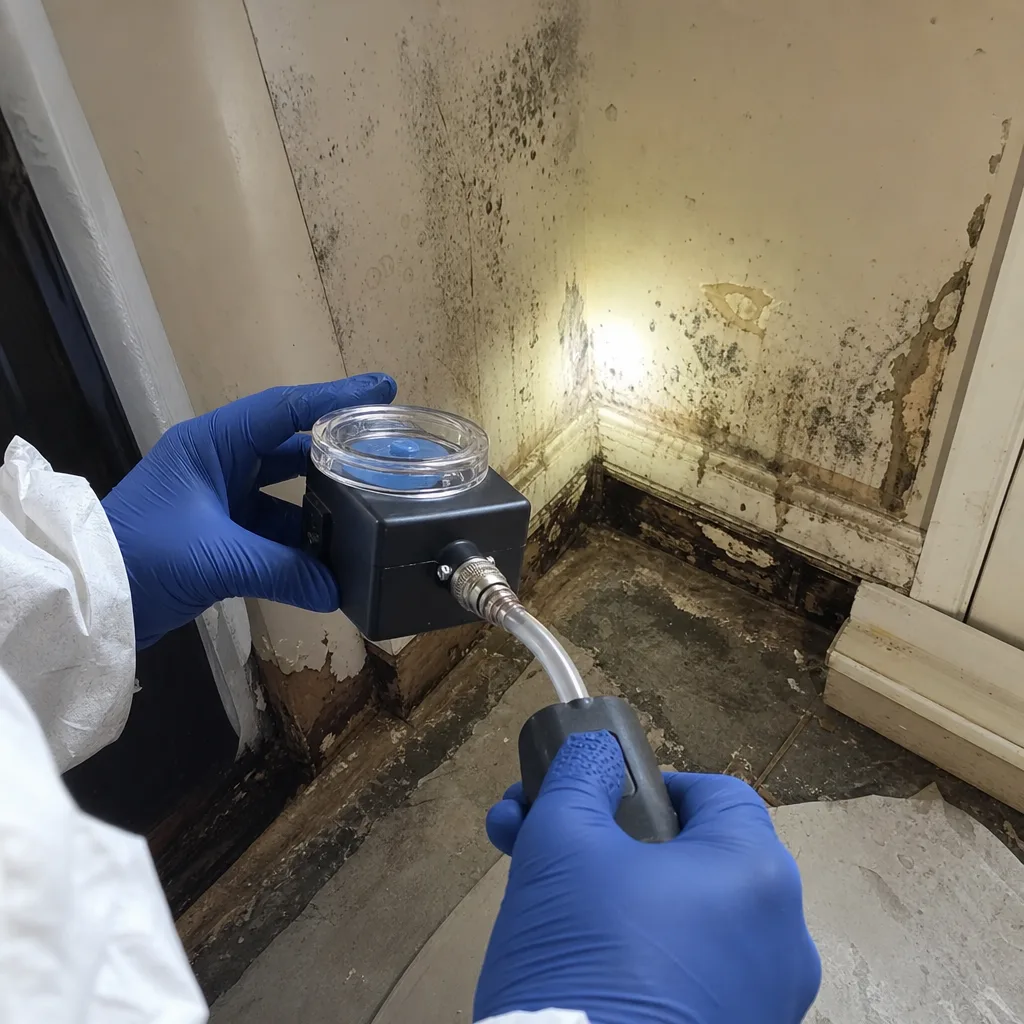
Knowing “normal” lets you prove “abnormal.” These benchmarks are specific to Huntington Beach’s dominant construction types: stucco exterior, slab-on-grade foundation, wood or steel framing, and drywall interior finish.
| Material | Normal Range | Elevated (Monitor) | Active Damage (Act) | Measurement Method |
|---|---|---|---|---|
| Drywall, interior | 6-10% | 10-15% | >15% | Pinless meter, non-insulated areas |
| Structural wood (framing, sheathing) | 4-9% | 9-12% | >12% | Pin-type meter, corrected for species |
| Concrete slab (surface) | 2-4% | 4-6% | >6% | Calcium chloride test or RH probe |
| Stucco exterior | 8-12% | 12-17% | >17% | Pinless meter, multiple readings |
| Engineered wood flooring | 6-9% | 9-12% | >12% | Pin-type meter, subfloor and surface |
These ranges account for Huntington Beach’s moderate coastal humidity (60-75% annual average) and the moisture-retention characteristics of stucco systems. Inland benchmarks from ASHRAE or manufacturer literature run 2-3% lower; using them here can cause false alarms or missed detection.
Document your baseline readings annually. When damage occurs, a pre-loss reading of 7% on drywall versus a post-loss reading of 22% is objective evidence of sudden, abnormal intrusion, not gradual moisture accumulation.
Professional restoration companies, including Water Damage Restoration in Huntington Beach, use equipment from manufacturers like XPOWER, B-Air, and Injectidry to establish and verify these readings during mitigation. The daily drying logs produced by this equipment, documented to IICRC standards, are what convert restoration invoices into payable claims.
Gradual Damage Exclusions: What Skipped Maintenance Costs You
Standard California HO-3 policies contain language similar to this: “We do not cover loss caused by constant or repeated seepage or leakage of water… over a period of 14 or more days.” The 14-day threshold is where adjusters focus. Your maintenance documentation must prove the damage occurred suddenly, or that you had no reasonable knowledge of the condition before that window.
These are the specific maintenance failures we see used to trigger gradual damage exclusions in Huntington Beach claims:
- Failed toilet sealant with visible floor staining: Any discoloration at the toilet base, documented in your photos or discovered by the adjuster, supports a finding that leakage exceeded 14 days. Replace sealant at first visible failure; document the repair date.
- Corroded washing machine hoses past manufacturer replacement interval: Hoses with visible corrosion, age beyond recommendation, or lack of replacement records support a negligence argument. Keep purchase receipts or replacement photos with dates.
- Known roof leaks with temporary repairs: A tarp or bucket under a leak, photographed by you or found by the adjuster, proves awareness. Either repair permanently within 14 days or file a claim; don’t let the condition persist.
- HVAC condensate overflow with prior algae blockage: Algae growth in drain lines indicates months of neglect. Quarterly bleach or vinegar flushes, documented, prevent this exclusion trigger.
- Stucco cracks with interior moisture readings above normal: If your annual readings show progressive elevation at crack locations, and you didn’t repair the stucco, the damage pattern supports a gradual-damage finding.
- Grade settlement creating foundation pooling: Visible soil erosion or hardscape settlement, unaddressed, supports an argument that foundation moisture intrusion was foreseeable and preventable.
The key defense: maintenance records that show timely response to conditions as they arose, not after damage became severe.
Tools and Equipment for Home Documentation
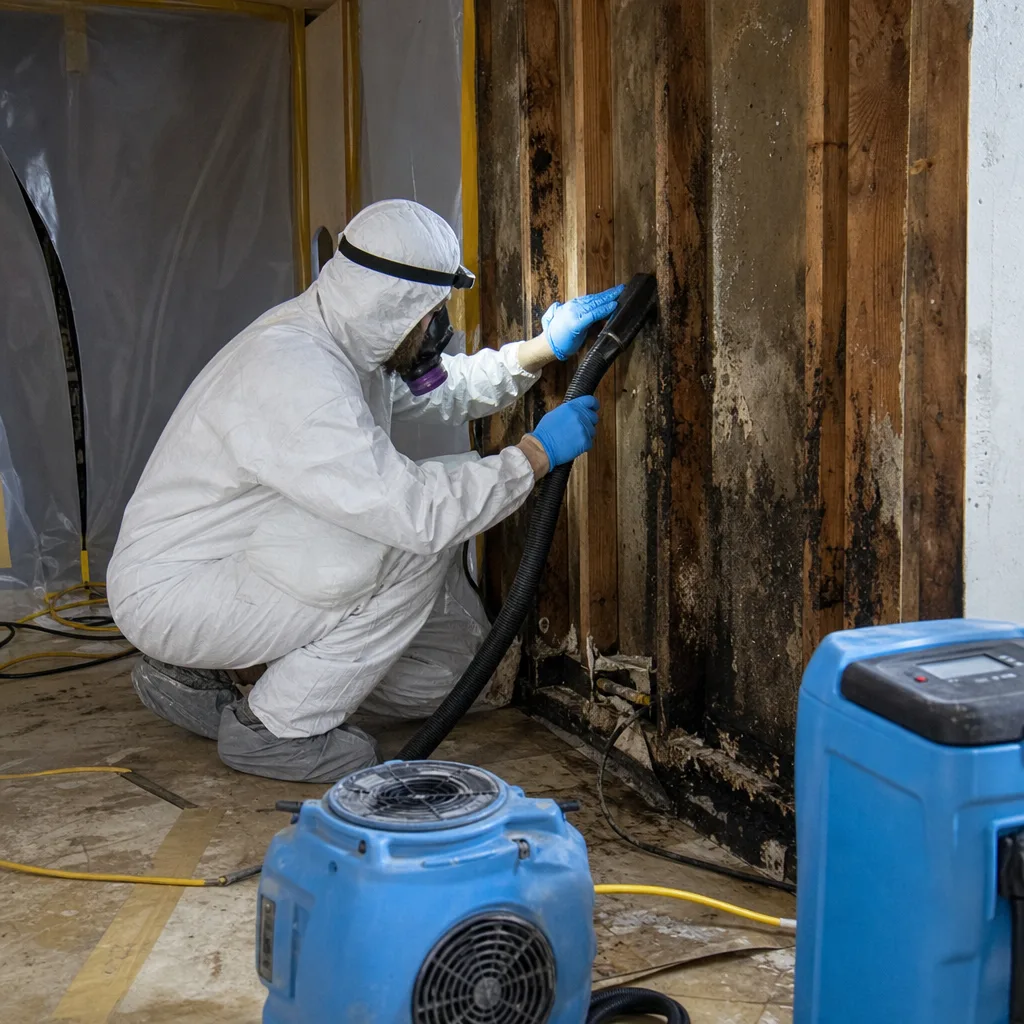
You don’t need professional-grade equipment to build a defensible record. These are the tools we recommend, with cost ranges and specific applications.
| Tool | Purpose | Approximate Cost | Key Specification |
|---|---|---|---|
| Pinless moisture meter | Non-destructive surface readings on drywall, stucco, wood | $40-$80 | Depth penetration: 3/4 inch minimum for stucco |
| Pin-type moisture meter | Accurate wood framing and subfloor readings | $50-$120 | Species correction for Douglas fir, SPF framing |
| Infrared thermometer | Surface temperature differentials indicating moisture evaporation | $20-$40 | Emissivity adjustment for stucco (0.90-0.95) |
| Crack width gauge or feeler set | Measurable stucco and concrete crack documentation | $10-$25 | 1/16 inch resolution minimum |
| Cloud storage subscription | Metadata-preserved backup with upload timestamps | $20-$60/year | Automatic upload, original file preservation |
| Index cards and permanent marker | In-frame date and location documentation | $5 | Waterproof ink, 3×5 inch minimum |
For homeowners who want professional baseline documentation, Mold Remediation in Huntington Beach includes moisture mapping as part of preventive assessments. The readings are documented to IICRC standards with photo records, creating third-party verification of pre-loss condition.
Common Mistakes to Avoid
- Storing photos only on your phone. Phones fail, are stolen, or replaced without full transfer. One in four homeowners we’ve worked with lost critical documentation this way. Cloud upload within 24 hours is mandatory.
- Using editing apps that strip metadata. Instagram, Snapchat, and many native editors create new files without original EXIF data. The “when” and “where” of your evidence disappears.
- Documenting only problems, not normal condition. A photo log showing only a 2024 leak doesn’t prove a 2023 pipe burst was sudden. Baseline “all clear” photos are as important as damage documentation.
- Ignoring the 3-mile coastal corrosion zone. Generic maintenance intervals from manufacturer literature assume inland conditions. In Huntington Beach’s salt-air environment, replace brass fittings, supply lines, and HVAC components on accelerated schedules.
- Assuming stucco cracks are cosmetic. In slab-on-grade construction, stucco cracks are often the only visible indicator of foundation movement from moisture intrusion. Map and measure them; don’t just caulk and forget.
- Failing to document professional maintenance. Plumber visits, HVAC service, roof repairs - get dated invoices with scope of work. These are admissible business records that support your diligence.
- Waiting for visible damage to call a professional. By the time drywall stains appear in Huntington Beach stucco construction, moisture has typically traveled through 3-6 inches of material and affected hidden framing. Elevated meter readings without visible damage are the correct trigger for assessment.
When to Call a Professional
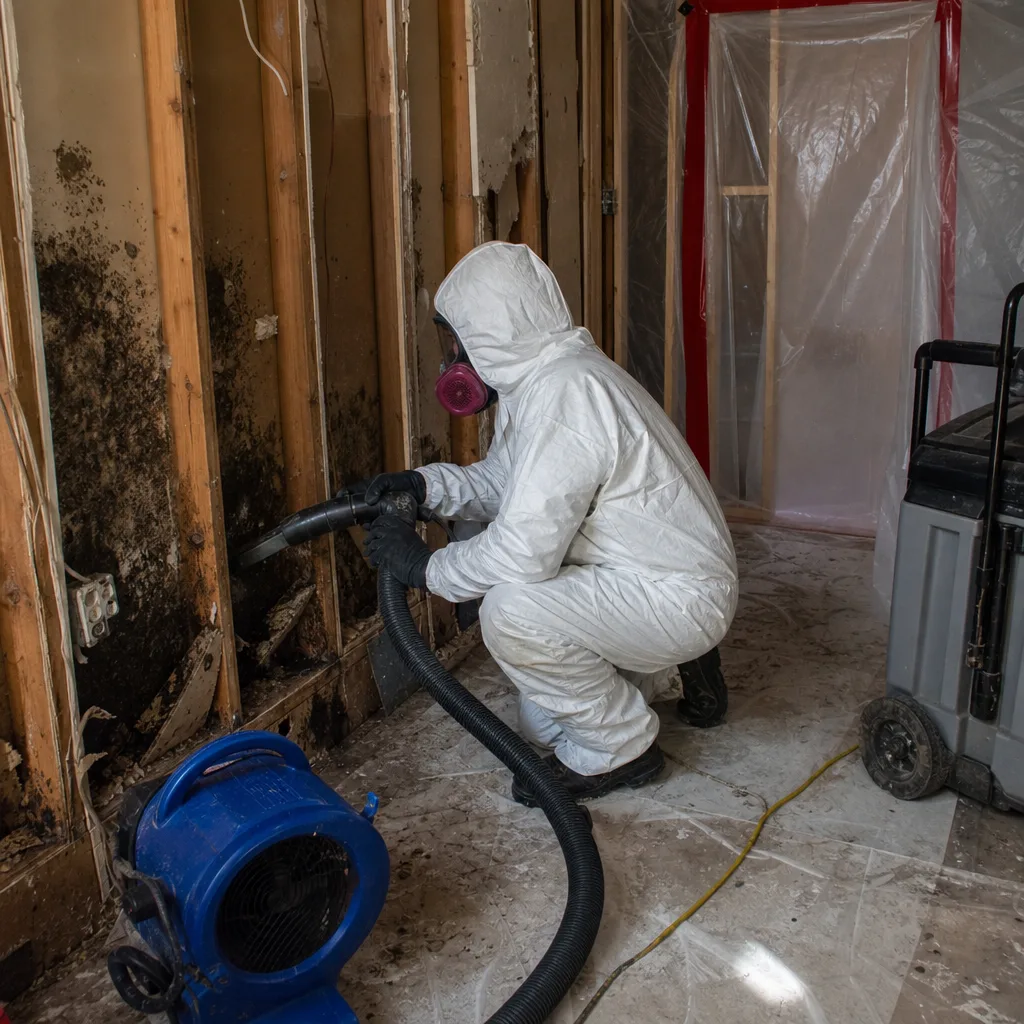
Call for professional assessment when: moisture readings exceed the “Active Damage” thresholds in the table above; you discover corrosion on supply lines, fittings, or flashings that you’re not equipped to replace; your annual inspection reveals progressive elevation from prior baselines; or any water intrusion occurs and you need documentation that meets insurance standards. See our Damage Restoration Cost Breakdown: The Huntington Beach Homeowner’s Reference for 2026 to budget for these services.
DryMark Restoration Huntington Beach offers free estimates in Huntington Beach. Explore more guides & resources on our blog. Our assessments include written moisture readings, photo documentation, and a written scope of work before any mitigation begins, under Haven Standard, Clause 1. Call (657) 288-3467.
For fire and smoke damage concerns that may accompany water damage from suppression systems, see Fire & Smoke Damage Restoration in Huntington Beach.
Frequently Asked Questions
Professional moisture mapping for residential properties in Huntington Beach typically ranges from $150-$350 for a baseline assessment, with comprehensive whole-home documentation running $400-$600. Many restoration companies, including DryMark Restoration Huntington Beach, apply this fee toward mitigation if damage is found and you proceed with service. Call (657) 288-3467 for exact pricing on your property - estimates are free.
Maintenance records significantly improve claim approval odds but don’t guarantee coverage. The records must prove the damage was sudden and accidental, not gradual over 14+ days. Your documentation should show normal baseline readings, timely response to prior conditions, and no prior evidence of the specific failure point. Photo metadata, dated repair invoices, and professional inspection records carry more weight than homeowner statements alone.
DryMark Restoration Huntington Beach maintains live phone coverage 24 hours a day, 7 days a week with no voicemail on emergency lines. For active water intrusion, same-day response is standard. For preventive assessments and baseline documentation, scheduling typically occurs within 48-72 hours. Speed language applies to mitigation; reconstruction and rebuild work is scoped, scheduled, and priced in writing before commencement.
Surface drying with household fans addresses visible moisture but not the vapor pressure differential that drives moisture into wall cavities, under flooring, and through slab penetrations. Professional drying uses psychrometric calculation (temperature, relative humidity, and vapor pressure) to establish drying goals verified by daily moisture logs. Without this, trapped moisture breeds mold, warps engineered flooring, and corrodes steel framing. For areas under 10 square feet with no structural involvement, careful DIY drying with continuous dehumidification may suffice; document your process with photos and meter readings.
At DryMark Restoration Huntington Beach, we coordinate directly with your adjuster, providing the photo-documented assessments, written scopes, and daily drying logs that convert restoration invoices into payable claims. This documentation-first approach was built by a former adjuster who understood what evidence standards adjusters need to approve payment. You remain the policyholder and decision-maker; we handle the technical documentation and direct billing coordination.
Three local factors increase risk: salt-air corrosion accelerates plumbing and flashing failures by 30-50% compared to inland markets; slab-on-grade construction eliminates the early-warning detection that basements and crawl spaces provide; and Santa Ana wind-driven rain forces water through stucco cracks and roof penetrations that would not leak in calm conditions. These factors make preventive documentation more critical here than in comparable inland California markets.
The Bottom Line
A water damage maintenance checklist protects your Huntington Beach home only if it produces evidence. Inspect quarterly for active systems, annually for structural and baseline conditions, and document every finding with metadata-preserved photos stored in cloud backup. Know your normal moisture readings so you can prove abnormal when it matters. Replace coastal-corroded components on accelerated schedules, not manufacturer defaults. And understand that your greatest risk isn’t the water itself; it’s the adjuster who finds your three-year-old photo of a stained cabinet and calls it a known loss.
The homeowners who recover fully from water damage are the ones who treated maintenance as documentation, not just inspection. Start your photo log this quarter. The 30 minutes you spend now is the evidence that saves your claim later.
Written by Alicia Brennan, Owner at DryMark Restoration Huntington Beach, serving Huntington Beach since 2011.