
Last updated September 23, 2026
Free visual inspection and a written scope of work before any mitigation begins - photos, moisture readings, and drying logs go in your claim file
The scope we write is the scope we bill. Anything new gets shown to you, in writing, before we touch it.
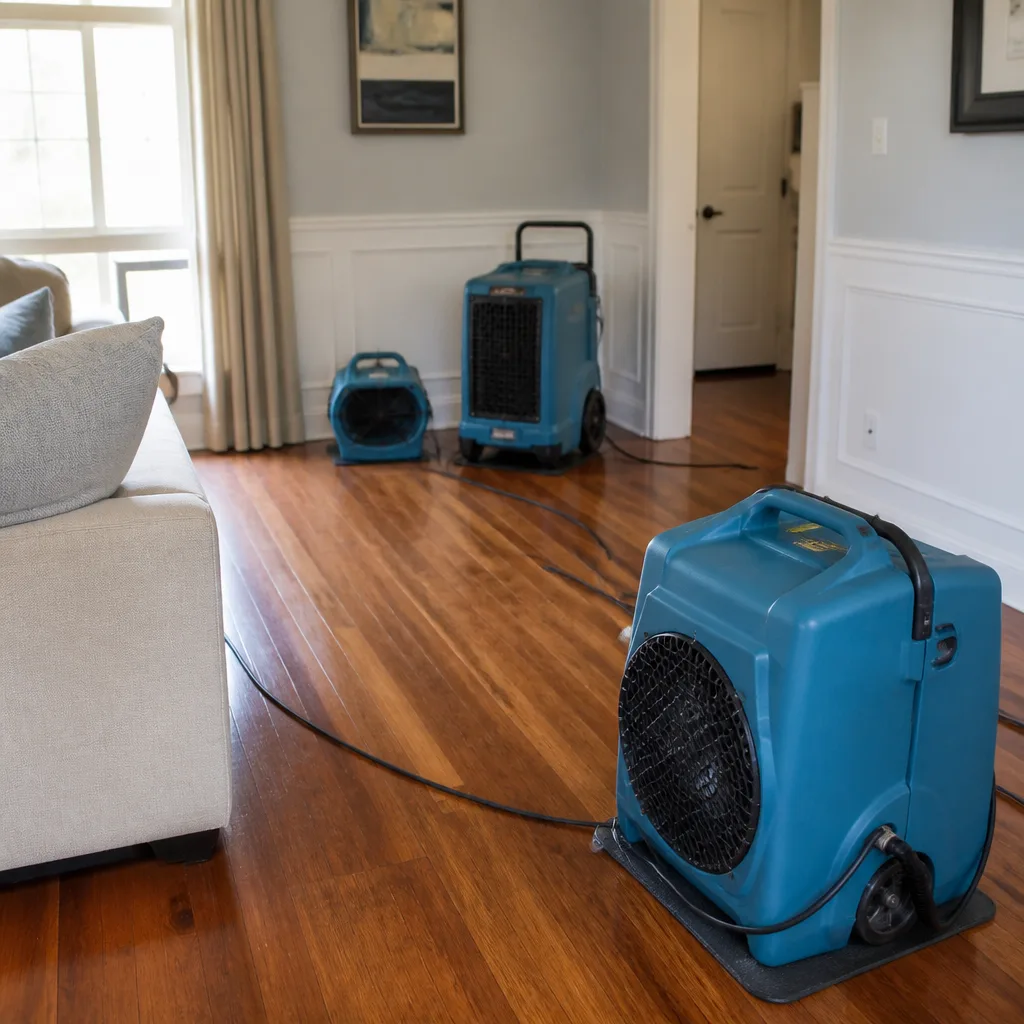
 Before
 After
After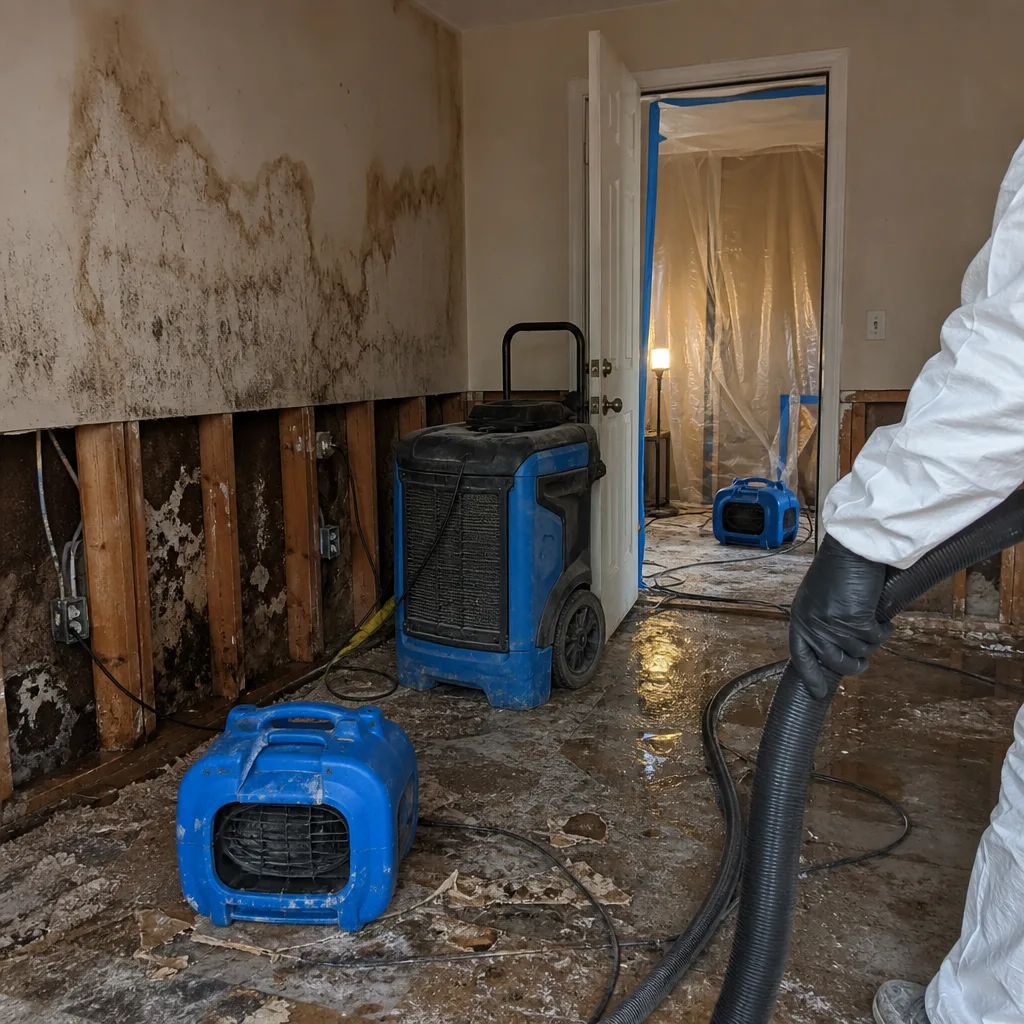 Before
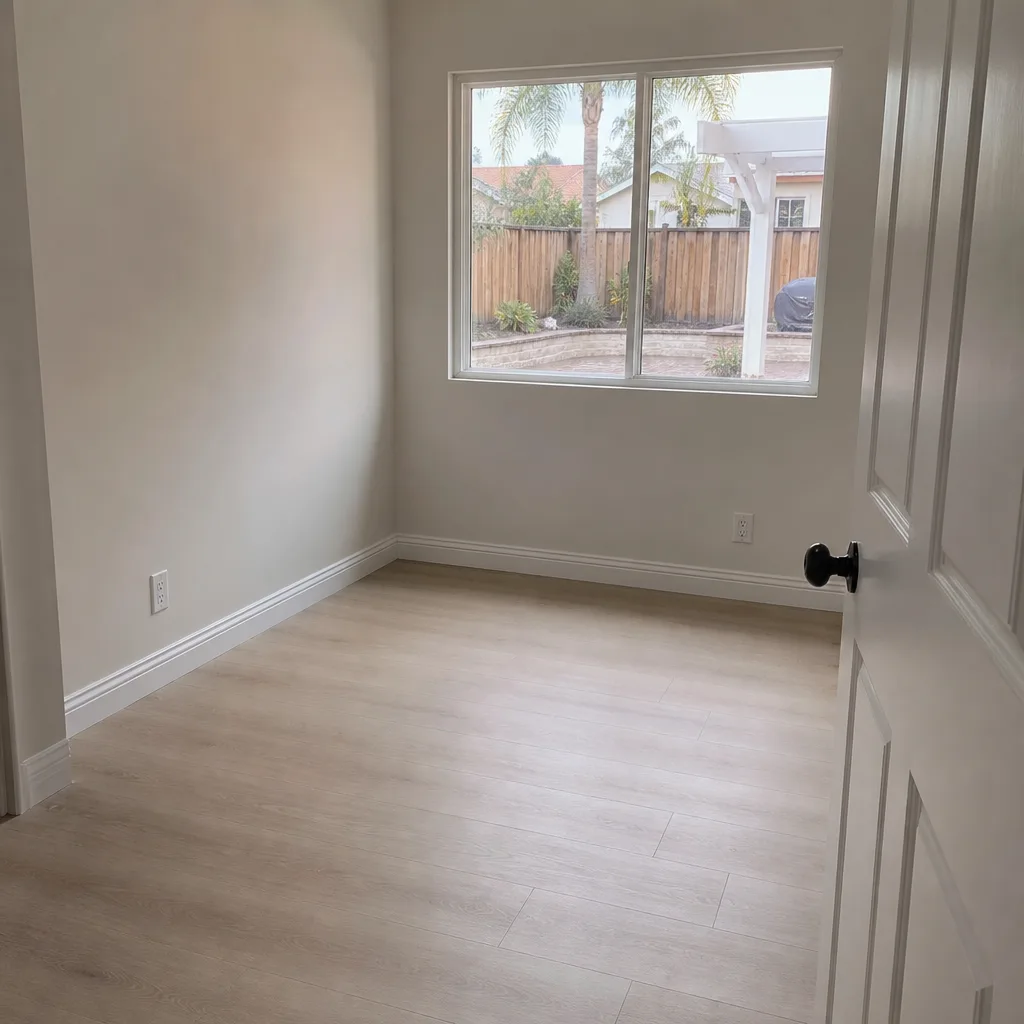 After
After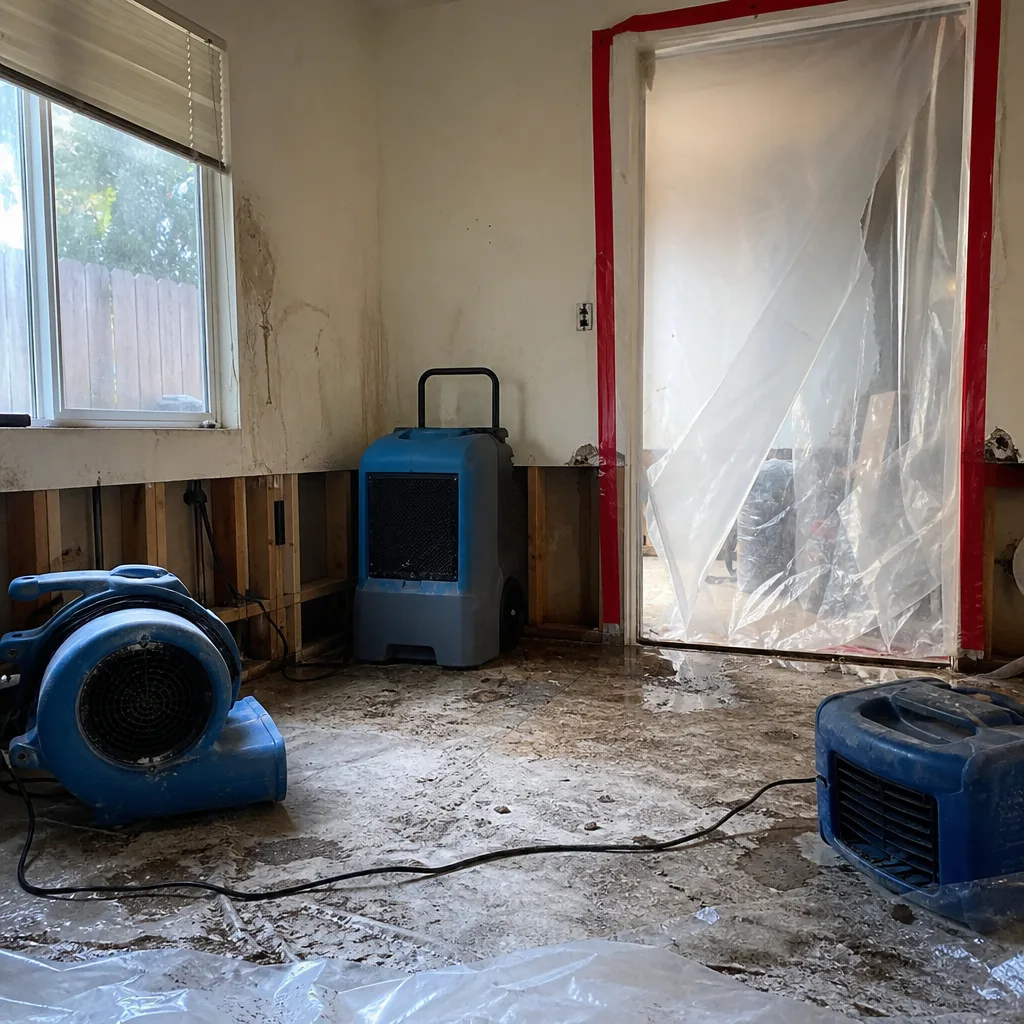 Before
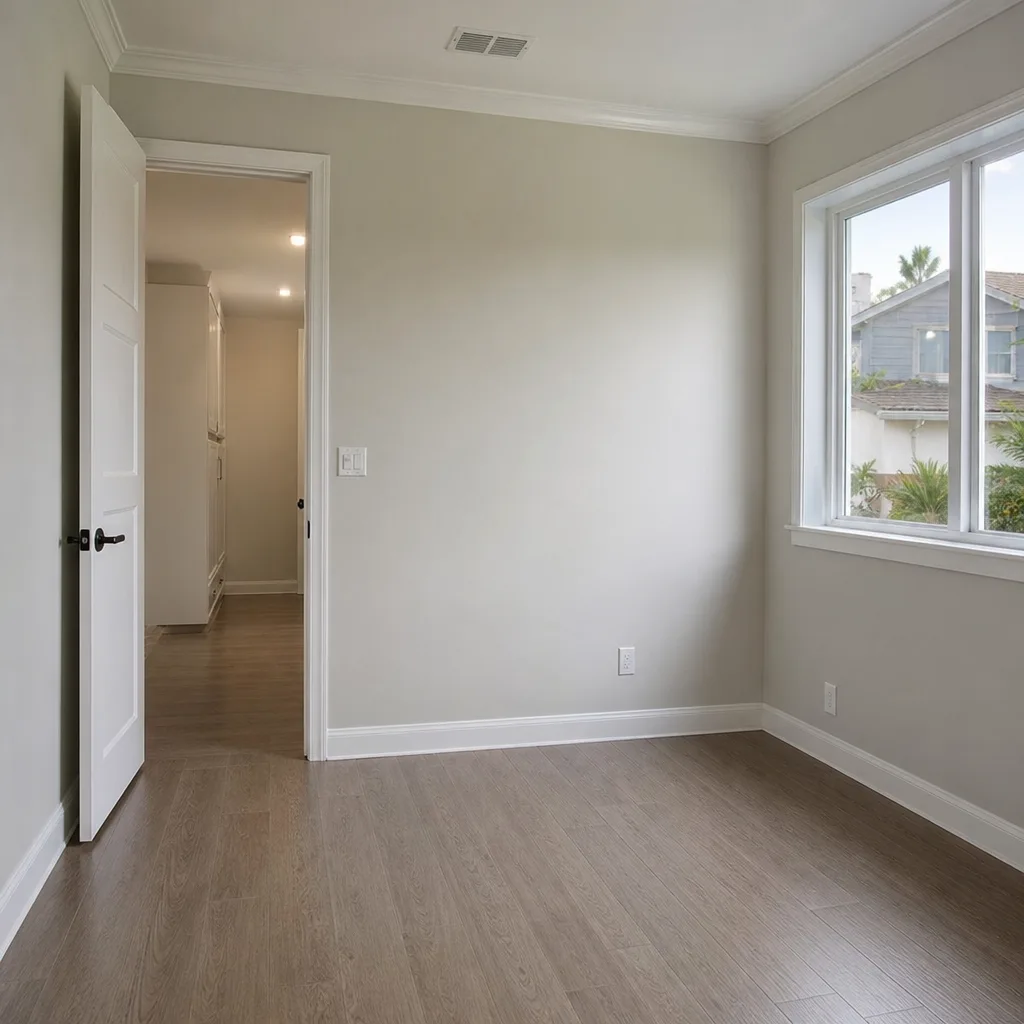 After
AfterDamage Restoration Cost Breakdown: The Huntington Beach Homeowner’s Reference for 2026
The most expensive line item on a typical Huntington Beach water damage invoice - often labeled “equipment rental” - is frequently the least documented. Daily drying logs that would justify the charge are rarely provided unless specifically demanded, and without them, insurers have grounds to deny payment while the homeowner remains liable for the full amount. In a market where median home values exceed $1.1 million and many properties sit within FEMA flood zones near the Santa Ana River or Bolsa Chica wetlands, understanding line-item pricing is not optional financial literacy. It is protection against a billing dispute that can outlast the repair itself. This guide gives Huntington Beach homeowners the Xactimate vocabulary to read any estimate critically, spot invoice inflation tactics, and know which costs are negotiable before signing. For DIY vs Professional Damage Restoration: The Huntington Beach Homeowner’s Decision Guide and more guides & resources, see our blog.
Quick Answer
Water damage restoration in Huntington Beach typically runs $3,200-$8,500 for a standard single-room loss with extraction, drying, and minimal repair, while whole-home flooding or mold-contaminated losses can reach $25,000-$55,000 depending on finish materials and documentation quality. Fire and smoke restoration averages $4,500-$15,000 for contained kitchen or garage fires, with full-structure reconstruction climbing substantially higher. The single biggest variable is not the damage itself - it is whether the restoration company produces daily drying logs, written scopes, and photo documentation that keep your insurer from applying depreciation penalties or denying line items outright.
Table of Contents
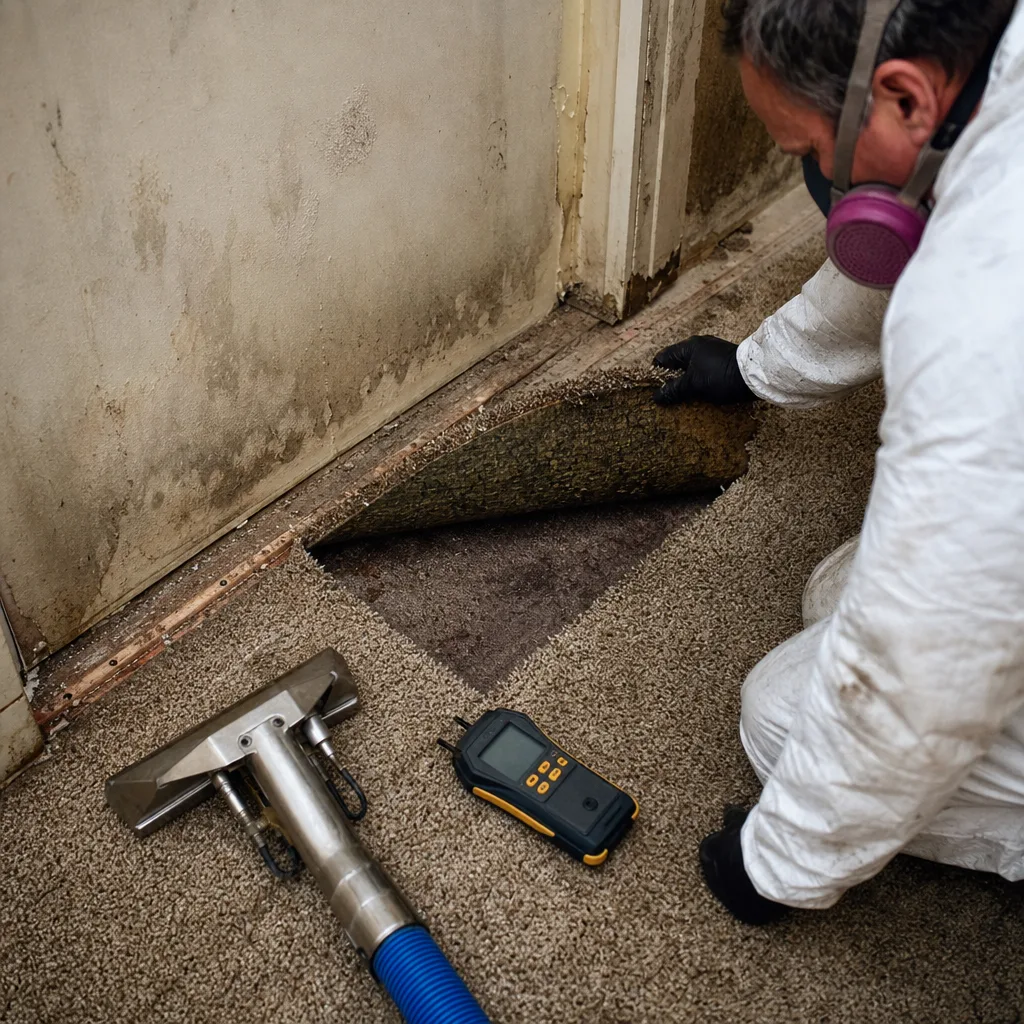
- Xactimate Pricing Benchmarks: The 10 Most Common Line Items in Huntington Beach
- How Equipment Rental Billing Actually Works (And What Justifies Each Day)
- RCV vs. ACV: The Math That Determines Your Out-of-Pocket Cost
- What Is Negotiable vs. Fixed by Your Policy Language
- Three Invoice Inflation Tactics (And the Questions That Expose Them)
- Huntington Beach Climate, Soil, and Code Factors That Affect Pricing
- Common Mistakes to Avoid
- When to Call a Professional
- Frequently Asked Questions
 Before
 After
AfterXactimate Pricing Benchmarks: The 10 Most Common Line Items in Huntington Beach
Xactimate is the pricing engine that drives most insurance claim settlements in California. It sets unit costs by geographic market, and the Los Angeles/Orange County region carries some of the highest labor and material rates in the country. Below are the 2025-2026 benchmark ranges we see applied to Huntington Beach claims, drawn from actual estimates processed through the platform. These are not retail prices - they are the rates insurers expect to see, and the rates a documented invoice must justify.
| Line Item | Unit | Xactimate Range (LA/OC Market) | What Drives the Variation |
|---|---|---|---|
| Demolition, wet drywall/plaster | Per square foot | $2.80-$4.50 | Height of cut, presence of insulation, lead/asbestos testing requirements |
| Drywall installation, 1/2″ standard | Per square foot | $3.20-$5.10 | Finish level (Level 3 vs. Level 5), access difficulty, ceiling vs. wall |
| LVP flooring installation | Per square foot | $6.50-$11.00 | Underlayment type, subfloor prep, adhesive vs. click-lock system |
| Content manipulation (on-site) | Per hour, per technician | $85-$135 | Number of items, weight, fragility, need for protective wrapping |
| Air mover rental | Per piece, per day | $25-$45 | CFM rating (1,500-3,200 CFM), brand/model, days on-site |
| Dehumidifier rental, LGR | Per piece, per day | $85-$165 | Grain removal rate (80-130 pints/day), refrigerant vs. desiccant type |
| Antimicrobial application | Per square foot | $0.55-$1.20 | Product classification (EPA-registered vs. botanical), application method, affected area size |
| Structural drying (labor/supervision) | Per day | $325-$550 | IICRC-certified technician oversight, psychrometric monitoring frequency |
| Pack-out to storage | Per cubic foot/month | $0.45-$0.85 | Climate-controlled vs. standard, inventory documentation level, transport distance |
| Final cleaning, HEPA vacuum/wipe | Per square foot | $0.85-$1.65 | Post-construction vs. biohazard classification, number of passes required |
These figures move with material costs and labor availability. In Huntington Beach specifically, we have seen drywall installation push toward the high end after supply-chain adjustments, while LVP flooring has stabilized as local distributors increased inventory. The critical point: every line item above must appear on a written scope before work begins. Haven Standard, Clause 1 exists precisely to prevent the alternative - a verbal estimate that balloons once demolition reveals hidden damage.
Water Damage Restoration in Huntington Beach from DryMark Restoration Huntington Beach includes line-item documentation for every category above, with photos timestamped to each drying log entry.
How Equipment Rental Billing Actually Works (And What Justifies Each Day)
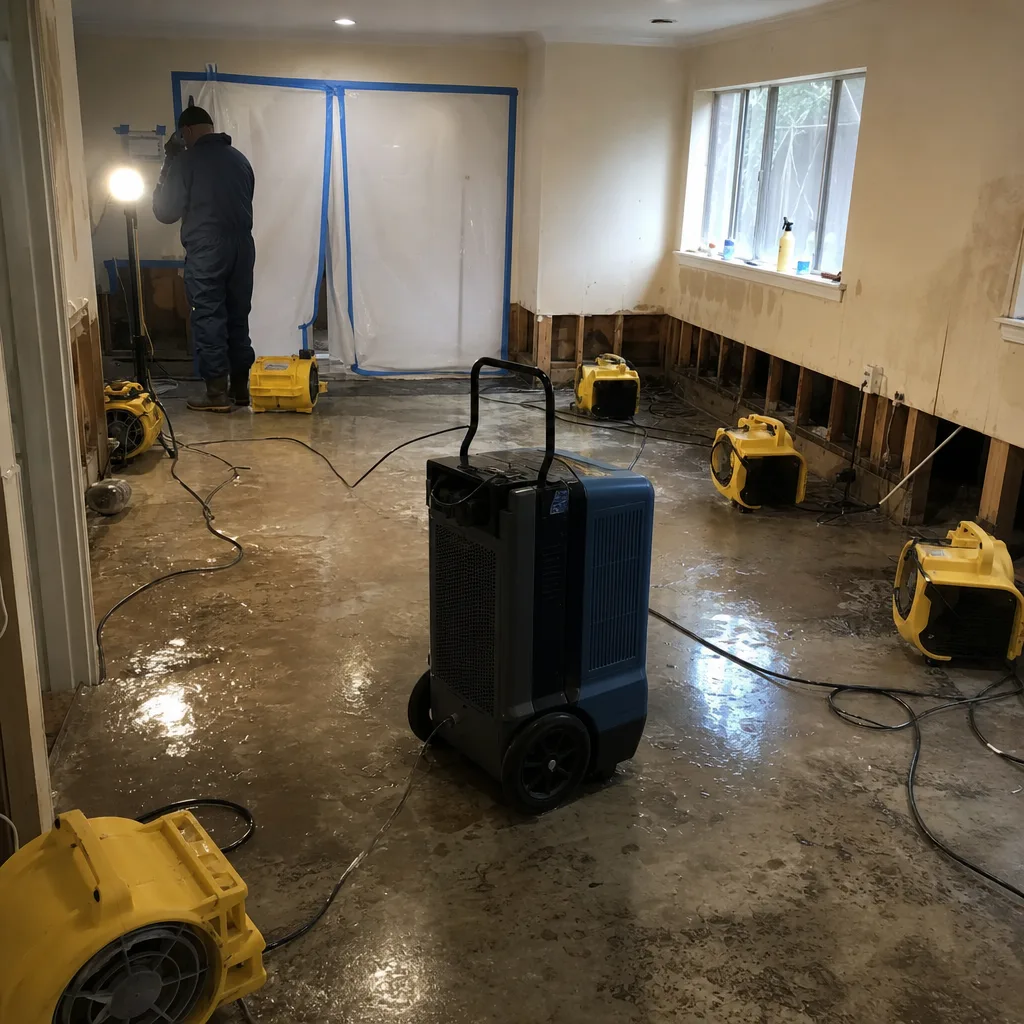
Equipment rental is where restoration invoices most commonly unravel under insurer scrutiny. The math is straightforward: each air mover, dehumidifier, air scrubber, or specialty unit is billed per piece, per day, for every day it remains on-site. A standard three-bedroom loss in the Huntington Harbour or Seacliff neighborhoods might deploy 12-16 air movers, 3-4 low-grain refrigerant (LGR) dehumidifiers, and 2-3 air scrubbers if microbial contamination is suspected. At 5-7 days of drying, equipment rental alone can represent 35-45% of the total invoice.
What justifies each day? Psychrometric data - the measurable science of drying. A legitimate daily drying log must contain:
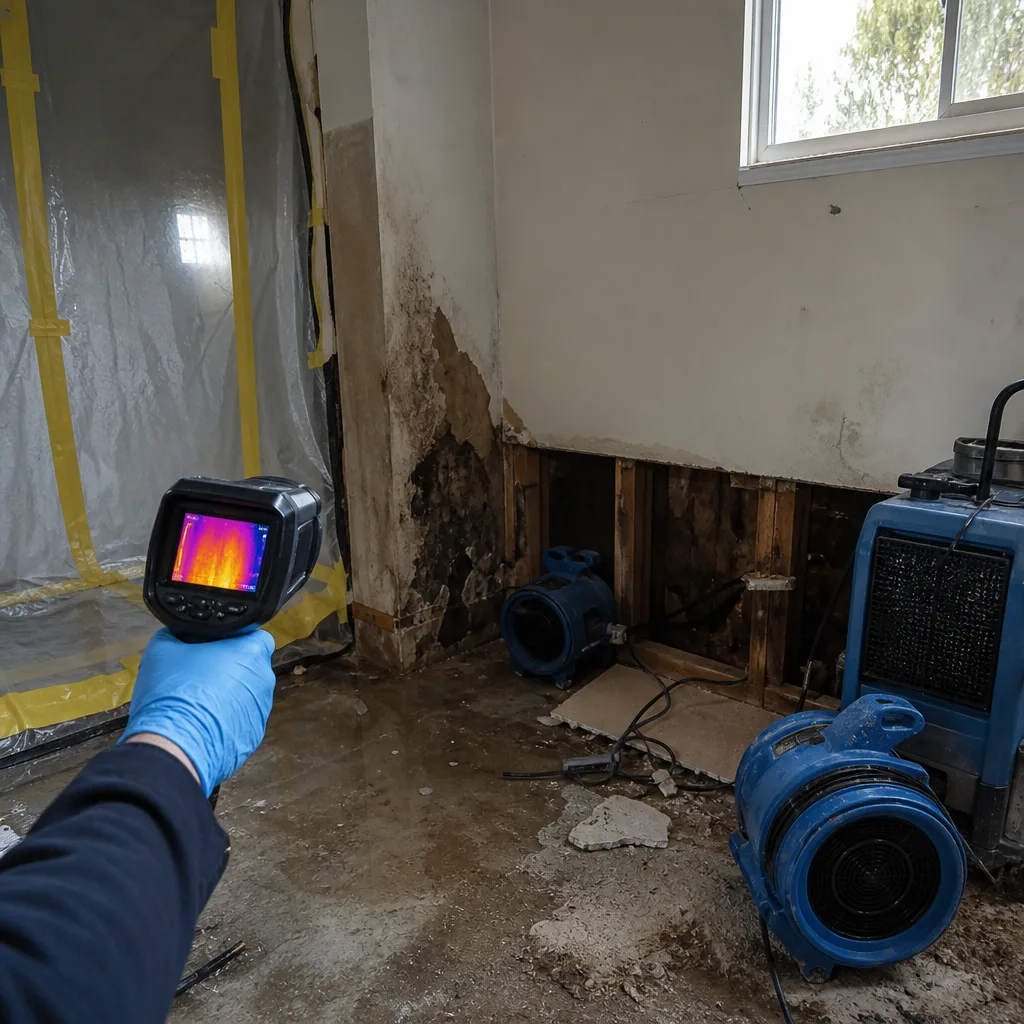
- Moisture readings for every affected material, taken with a calibrated pin or pinless meter, recorded by room and surface (drywall at 2′, 4′, 8′; subfloor at multiple points; framing members). Readings must trend downward; flat or rising readings indicate equipment failure, insufficient capacity, or hidden moisture sources.
- Equipment specifications: air mover CFM rating (we document Phoenix AirMax and Dri-Eaz Velo units at their rated outputs), dehumidifier grain depression achieved (the difference between incoming and outgoing air moisture content), and total air changes per hour calculated against room volume.
- Vapor pressure differential - the difference between the vapor pressure in the affected material and the surrounding air. When this differential approaches equilibrium, drying slows and equipment should be consolidated or removed. Continuing to bill full deployment past equilibrium is a common overcharge.
- Temperature and relative humidity for affected and unaffected areas, measured with a thermo-hygrometer and recorded to IICRC S500 standards.
- Technician signature, license number, and time of visit - without this, the log is inadmissible in most insurer disputes.
In our experience across Huntington Beach, from the Eichler tracts near Adams Avenue to the newer construction in Pacific Shores, the difference between a payable claim and a denied one often comes down to whether the drying log contains grain depression calculations or merely states “equipment checked - operating.” The former justifies the bill. The latter invites a 30-50% line-item reduction.
Tertiary drying - the final phase where moisture is extracted from deep within structural materials - is where most companies either overstay (billing equipment that is no longer accelerating drying) or understay (removing equipment before materials reach dry standard, causing secondary damage). We document tertiary drying with specific moisture content targets: 12-16% for softwood framing, 9-12% for hardwood, <0.5% above baseline for drywall. When those targets are met, equipment comes off the bill. Haven Standard, Clause 1 applies to rental days too - the written price is based on estimated days, but final billing reflects actual documented need.
RCV vs. ACV: The Math That Determines Your Out-of-Pocket Cost
Most Huntington Beach homeowners discover the difference between Replacement Cost Value (RCV) and Actual Cash Value (ACV) only after a loss, when the initial settlement check is thousands of dollars short of the contractor’s estimate. The distinction is not a technicality. It is the single largest determinant of whether you restore your property or accept a degraded repair.
RCV pays the full cost to replace damaged materials with new materials of like kind and quality, minus your deductible. ACV pays that same replacement cost minus depreciation - a calculated reduction based on the age and condition of what was damaged. Insurers often issue ACV payments initially, with the recoverable depreciation held until repairs are documented as complete. The catch: if your documentation is insufficient, the depreciation may never be recovered.
Consider a worked example using a 10-year-old engineered hardwood floor in a Huntington Beach home near Central Park, originally installed at $14/square foot for 400 square feet ($5,600 total). The floor is water-damaged beyond salvage and must be replaced.
| Calculation | RCV | ACV (50% depreciation assumed) |
|---|---|---|
| Replacement cost, 400 sq ft at current $16.50/sq ft | $6,600 | $6,600 |
| Less depreciation (10 years / 20 year expected life) | $0 | -$3,300 |
| Less deductible | -$1,000 | -$1,000 |
| Initial payment to homeowner | $5,600 | $2,300 |
| Recoverable depreciation (paid upon documented completion) | N/A | $3,300 |
The ACV homeowner receives $2,300 initially - enough to cover perhaps 35% of the replacement floor. The remaining $3,300 is “recoverable” only if the insurer accepts the contractor’s final invoice as proof the work was completed. If that invoice lacks photo documentation, material specifications, or a signed completion certificate, the insurer may deny the depreciation release. The homeowner either pays $3,300 out of pocket or lives with a substandard repair.
This is why documentation-first restoration matters. Every photo record, every drying log, every material invoice with manufacturer specifications is evidence that the RCV threshold was met. In our work across Huntington Beach, we have seen depreciation recoveries denied for reasons as minor as missing paint sheen specifications on replaced trim, or photos that failed to show the full affected area. We do not leave those gaps.
What Is Negotiable vs. Fixed by Your Policy Language
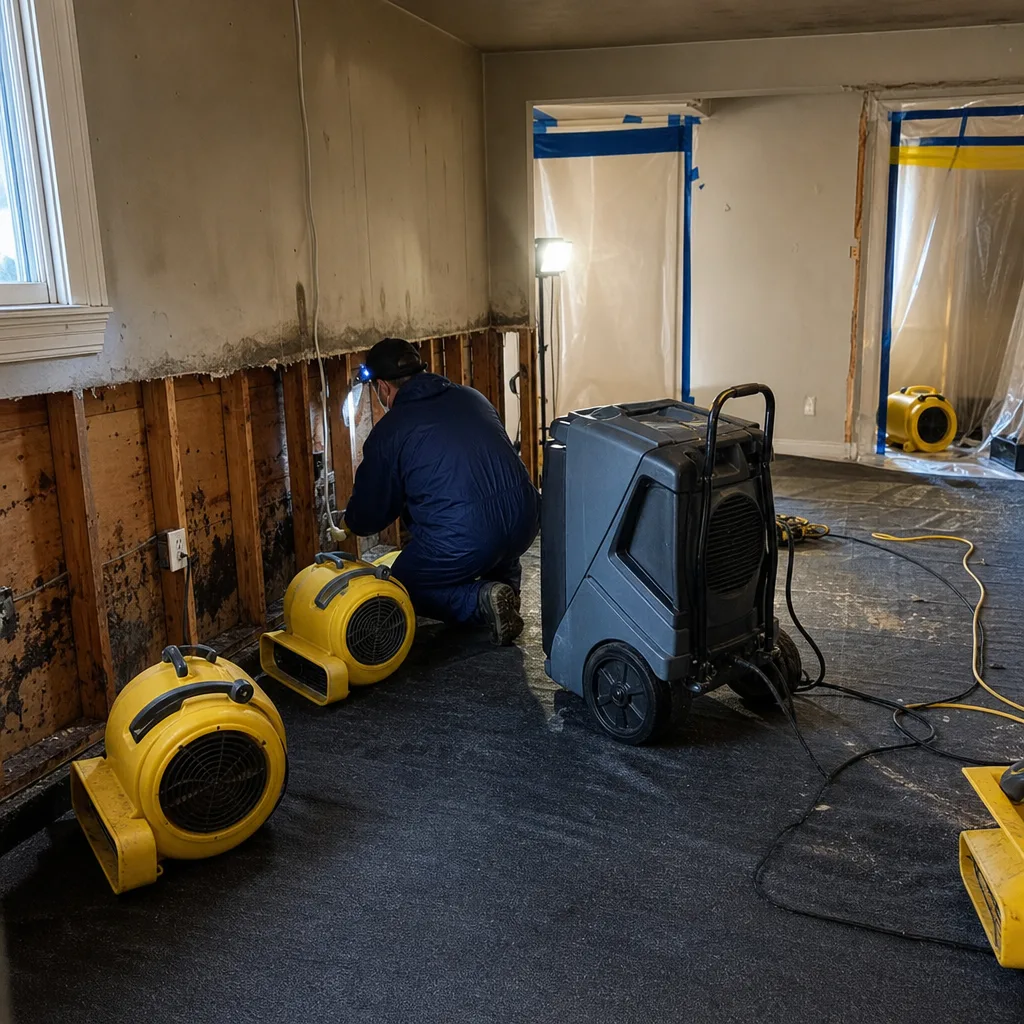
Not every line on a restoration invoice is open to negotiation, and misunderstanding which is which leads homeowners to waste effort on fixed costs while missing genuine savings. Policy language controls some categories absolutely. Others depend on market documentation, adjuster discretion, or whether you engage professional representation.
Fixed by policy language (generally non-negotiable):
- Your deductible - stated in the declarations page, applied before any other calculation.
- Policy limits - the maximum the insurer will pay for covered perils, regardless of actual damage cost.
- Exclusion clauses - flood damage without separate NFIP coverage, gradual leaks over 14 days, mold caps (often $5,000-$10,000 in standard HO-3 policies).
- Depreciation methodology - whether your policy specifies straight-line, declining balance, or functional replacement cost for specific materials.
Negotiable with documentation and advocacy:
- Line-item pricing that exceeds Xactimate - justified with supplier invoices, specialty material requirements, or access difficulty (steep roofs, limited parking, high-rise elevator restrictions).
- Equipment rental days - challenged with incomplete drying logs, or defended with complete ones.
- Content valuation - disputed through independent inventory appraisal, especially for antiques, art, or custom furnishings common in Huntington Beach’s older waterfront properties.
- Additional living expenses - extended if documented structural drying or reconstruction delays exceed initial estimates.
Negotiable with a licensed public adjuster:
A public adjuster represents the policyholder, not the insurer, and typically charges 10-15% of the settlement increase they achieve. In the Orange County market, we have seen public adjusters increase settlements by 25-40% on disputed claims, particularly where initial adjuster estimates omitted code-upgrade coverage (California’s SB 4 requirements for energy-efficient replacement materials) or failed to account for Huntington Beach’s specific soil conditions requiring enhanced foundation drainage after excavation.
The break-even math: on a $50,000 claim with a disputed $15,000 gap, a public adjuster charging 12% who recovers the full $15,000 costs $1,800 and nets the homeowner $13,200. The same gap settled without representation leaves the homeowner funding the shortfall or accepting incomplete restoration. We provide our documentation package - photo record, drying logs, written scope - to any public adjuster our client engages, at no charge. The adjuster’s success depends on evidence quality, and Haven Standard documentation is built for that purpose.
DryMark Restoration Huntington Beach home - our documentation standards and service descriptions.
Three Invoice Inflation Tactics (And the Questions That Expose Them)
The restoration industry has a documentation problem, and where documentation is weak, inflation follows. These are not theoretical concerns. We review competitor estimates weekly as part of our Free Second Opinion service, and these three patterns appear with disturbing regularity.
Tactic 1: Unbundling tasks that Xactimate prices as a single operation
Xactimate includes setup, breakdown, and basic material handling within many line items. A legitimate “drywall removal” line includes protection of adjacent surfaces, debris bagging to the threshold, and initial cleanup. Some contractors unbundle these: separate charges for “containment,” “debris removal,” and “site protection” that are already embedded in the base price. The homeowner sees more line items and assumes greater transparency; the insurer sees duplicate billing and reduces or denies.
The question that exposes it: “Show me where Xactimate lists these as separate operations rather than inclusions in the base line item.” A contractor with legitimate grounds for unbundling (unusual access difficulty, hazardous material handling) will have specific justification. One who does not will deflect or become vague.
Tactic 2: Billing crew hours without time-stamped entry/exit logs
Labor is billed by the hour per technician, with rates varying by certification level. Without time-stamped entry and exit records - ideally with GPS-verified location data - there is no proof that three technicians worked six hours each rather than two technicians working four hours with the third present only for setup. At $95-$140/hour in the Huntington Beach market, this gap can add $500-$1,500 per day to an invoice.
The question that exposes it: “Provide time-stamped entry and exit records for each technician, with license numbers, for every day billed.” We provide these as standard. Contractors who do not should explain why their labor charges require less verification than a parking garage receipt.
Tactic 3: Applying “general contractor overhead and profit” (GCOP) to subcontracted specialty work
Xactimate applies GCOP (typically 10% overhead + 10% profit) to trades managed by a general contractor. The logic: the GC coordinates schedules, ensures quality, and bears liability. Some restoration companies apply GCOP to work they merely refer to subcontractors - mold testing by an independent hygienist, asbestos abatement by a licensed specialist, electrical or plumbing by trade contractors who invoice separately and carry their own insurance. The restoration company adds 20% for “coordination” they did not perform.
The question that exposes it: “Which of these subcontractors are your W-2 employees, and for which do you carry workers’ compensation and general liability coverage?” If the subcontractor is independent and invoices separately, GCOP application is questionable. If the restoration company cannot answer, the charge is unsupported.
We have seen these three tactics add 15-30% to otherwise legitimate invoices. The defense is not hostility - it is specific, documented questions asked before work begins. Haven Standard, Clause 1 requires a written price precisely so these questions can be asked and answered in writing, not in the stress of an active loss.
Mold Remediation in Huntington Beach - where documentation requirements are especially critical due to California’s mold disclosure laws.
Huntington Beach Climate, Soil, and Code Factors That Affect Pricing
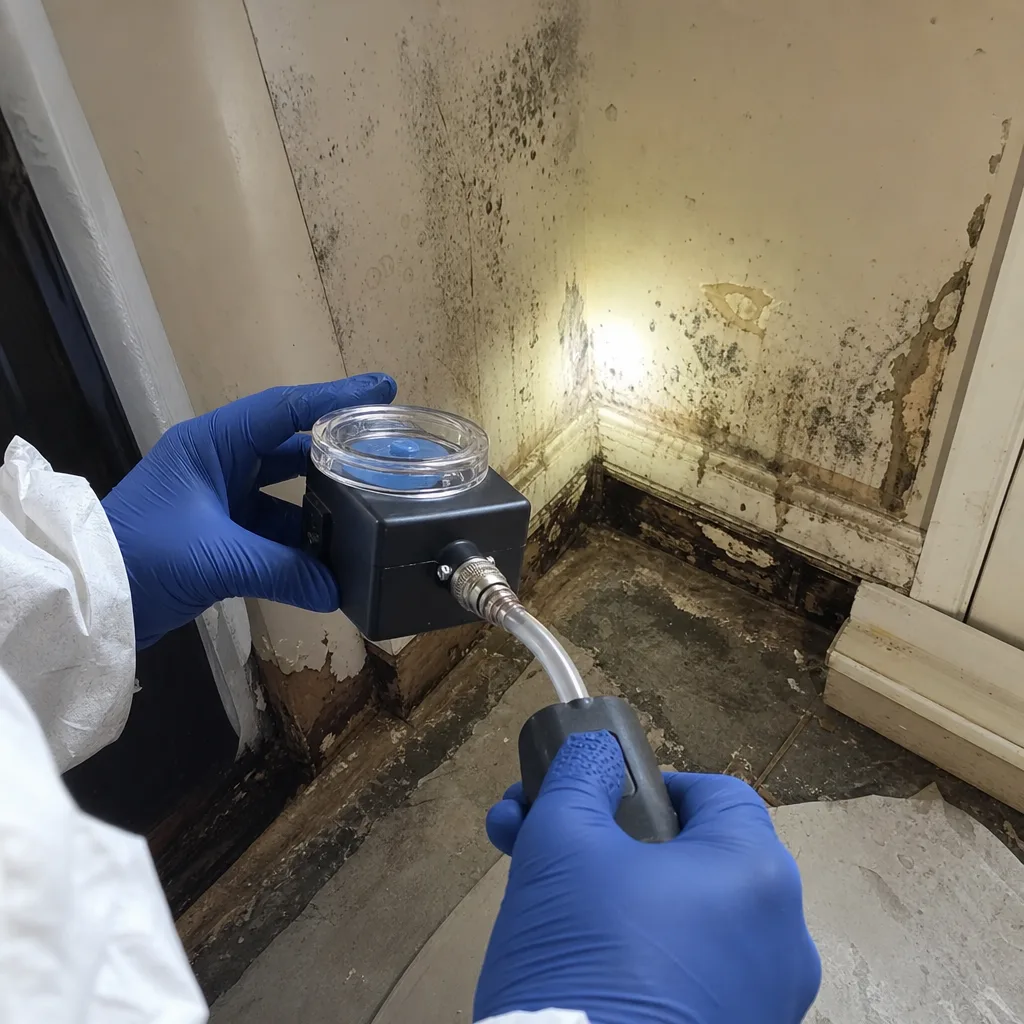
Restoration pricing is not uniform across Southern California. Huntington Beach’s specific conditions create cost variables that inland or mountain markets do not face, and competent estimates must account for them.
Marine climate and salt-air corrosion
Proximity to the Pacific accelerates corrosion of metal fasteners, HVAC components, and electrical connections in water-damaged properties. A kitchen leak in Sunset Beach may require replacement of galvanized ductwork that an identical leak in Anaheim would merely require drying. We document salt-air corrosion with photo evidence and reference the distance from the coast (typically <2 miles in our service area) to justify material upgrades that Xactimate's base pricing does not capture.
High water table and poor drainage in low-lying neighborhoods
Areas near the Santa Ana River, Talbert Regional Park, and the Bolsa Chica Ecological Reserve sit on alluvial soils with seasonal water tables as shallow as 3-5 feet. Slab leaks or foundation seepage in these areas require more extensive sub-slab drainage remediation, including sump pump installation or French drain retrofit, that would be unnecessary on hillside properties. Our estimates specify soil type and drainage testing results when these conditions apply.
California energy code upgrades (Title 24 / SB 4)
Any reconstruction involving more than 50% of a building component triggers current energy code compliance. Replacing water-damaged insulation in an attic, for example, requires R-38 minimum in Huntington Beach’s climate zone - often an upgrade from original R-19 or R-30 installation. Similarly, replaced windows must meet NFRC ratings, and HVAC components must satisfy SEER2 standards. These are not optional upgrades; they are code-mandated costs that standard Xactimate pricing may understate if the adjuster uses deprecated material libraries.
Coastal commission and wetland buffer restrictions
Properties within the California Coastal Commission’s jurisdiction or near wetland buffers face additional permitting for exterior drainage work, foundation repair, or substantial reconstruction. See Damage Restoration Permits, Codes & Inspections in CA: What You Need to Know for detailed compliance guidance. Permit timelines of 6-12 weeks are common, extending additional living expense claims and requiring temporary measures (enhanced drying, temporary enclosures) that add to the total project cost. We flag Coastal Commission jurisdiction in our initial assessment and include permit timelines in written scopes.
Neighborhood-specific construction eras
Huntington Beach’s housing stock spans seven decades with distinct vulnerabilities. The 1950s-1960s tract homes near Yorktown Avenue often contain original galvanized plumbing and no vapor barriers. The 1970s-1980s condos near Beach Boulevard have flat roofs with inadequate drainage. The 1990s-2000s construction in Seacliff and Huntington Harbour features more complex HVAC and integrated smart-home systems with higher replacement costs. Our estimates reference construction era and typical material specifications for each, not generic “residential” pricing.
Fire & Smoke Damage Restoration in Huntington Beach - where code-upgrade triggers and coastal commission jurisdiction are especially relevant.
Common Mistakes to Avoid
- Accepting a verbal estimate or “range” without a written scope. Haven Standard, Clause 1 exists because we have seen too many Huntington Beach homeowners sign blank authorizations that become $20,000 invoices with no line-item breakdown. A written price before work begins is not a preference - it is the minimum standard for a transaction of this magnitude.
- Failing to document pre-loss condition with photos. Insurers apply depreciation based on what they believe was the pre-loss state. Without your own dated photos of flooring, cabinets, and finishes, you are at the mercy of an adjuster’s assumption. We photograph every room at our first visit, but earlier is better.
- Not requesting daily drying logs in real time. Waiting until the final invoice to ask for documentation invites gaps, lost records, or disputes about what was measured when. We provide drying logs electronically within 24 hours of each visit; any contractor should be willing to do the same.
- Overlooking mold caps and gradual leak exclusions. Standard California HO-3 policies often limit mold coverage to $5,000-$10,000 regardless of actual remediation cost, and exclude damage from leaks that persisted beyond 14 days. A slow pipe leak behind a Huntington Beach bathroom vanity can become a $15,000 mold remediation with $5,000 of coverage. We identify policy limitations at our assessment and flag when supplemental coverage or public adjuster involvement is advisable.
- Paying recoverable depreciation out of pocket before confirming documentation requirements. Some insurers release depreciation only upon submission of specific forms - certificate of completion, lien release from all subcontractors, final inspection sign-off. Paying contractors in full before confirming these requirements can leave you permanently out of pocket for the withheld amount.
- Assuming “emergency service” pricing is separate from restoration pricing. Some companies bill emergency extraction at premium rates, then apply separate, lower rates for structural drying. The total may exceed consistent pricing from a documentation-first company. Compare total project cost, not headline emergency rates.
- Neglecting to verify that equipment on the invoice matches equipment on-site. Count air movers and dehumidifiers at deployment and at pickup. Serial numbers are ideal; at minimum, photograph equipment labels. Billing for units that were removed early or never deployed is a common error, sometimes innocent, sometimes not.
When to Call a Professional
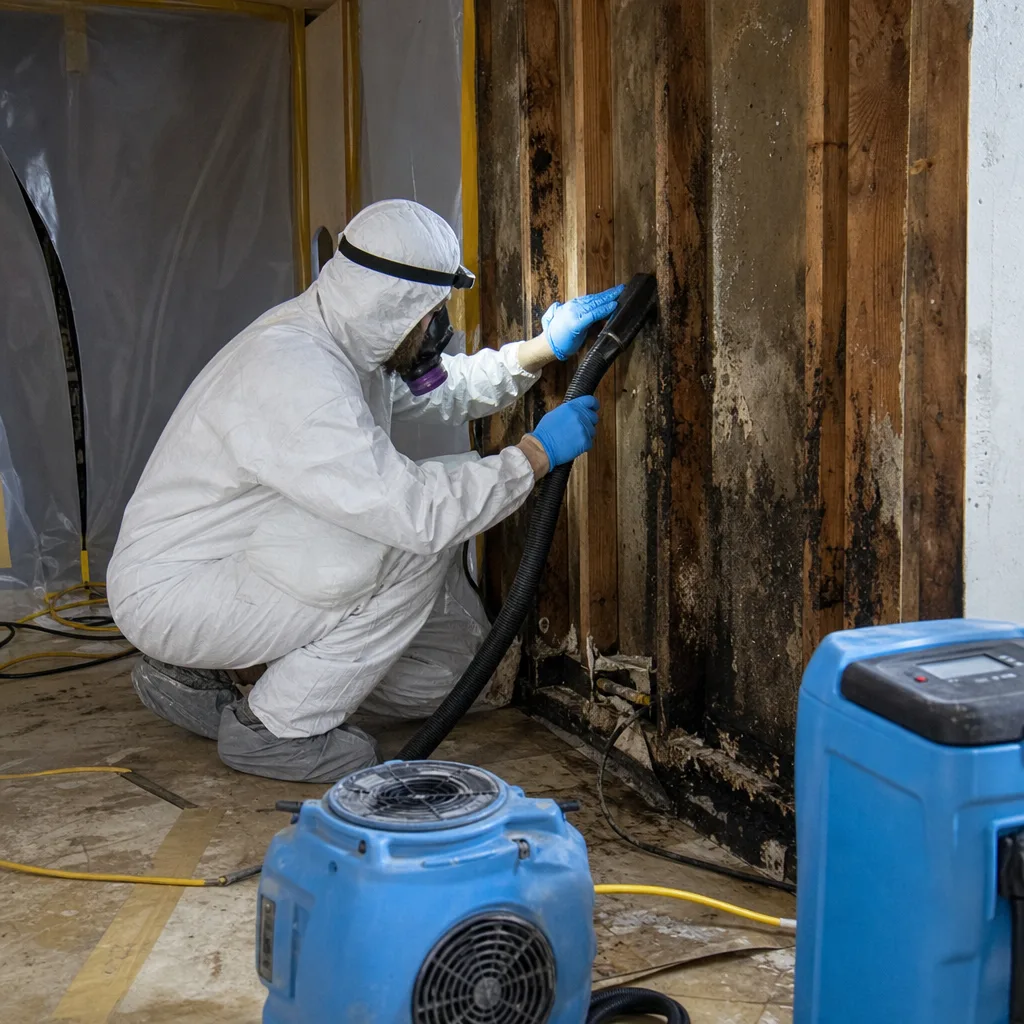
Some situations permit measured homeowner response; most water, fire, and mold losses do not. Call for professional assessment when: water has affected drywall, insulation, or subflooring (surface drying with household fans is insufficient); you smell musty odor or see visible mold, particularly in Huntington Beach’s older homes with original ventilation; fire damage involves anything beyond a contained cooktop flare-up (smoke particulate penetrates cavities that appear unaffected); sewage backup or gray water intrusion has occurred (Category 2 and 3 water carry genuine health hazards requiring containment and antimicrobial protocols); or your insurer has issued an ACV payment that does not cover the contractor’s written scope.
DryMark Restoration Huntington Beach offers free estimates in Huntington Beach - call (657) 288-3467. Every estimate includes a written scope with line-item pricing, a photo record of the assessed damage, and our Free Second Opinion on any competitor’s written estimate you wish to compare. Visit our blog for more guides & resources on navigating insurance claims and restoration pricing. Live phone coverage is available 24 hours a day, 7 days a week with no voicemail on emergency lines.
Frequently Asked Questions
A standard single-room water loss with extraction, drying, and minimal repair typically runs $3,200-$8,500 in the Huntington Beach market, while whole-home flooding or mold-contaminated losses can reach $25,000-$55,000 depending on finish materials and required documentation. The range reflects construction era, material quality, and whether the restoration company produces daily drying logs that justify equipment rental days to your insurer. Call (657) 288-3467 for a written estimate with exact line-item pricing - estimates are free.
Whether you owe nothing beyond your deductible or thousands more depends on three factors: whether your policy pays RCV or ACV, whether your documentation satisfies the insurer’s requirements for depreciation release, and whether any coverage caps or exclusions apply. RCV policies with complete contractor documentation typically cover full replacement less deductible. ACV policies or incomplete documentation leave you responsible for depreciation, code-upgrade costs, and any amount above policy limits. We provide the documentation package that maximizes recoverable depreciation - call (657) 288-3467 to discuss your specific policy language.
For active water losses, DryMark Restoration Huntington Beach maintains live phone coverage 24 hours a day, 7 days a week with no voicemail on emergency lines, and dispatches background-checked, uniformed technicians with documented arrival times. Speed matters for mitigation - water continues migrating through drywall and subflooring until extraction begins - but speed without documentation creates the billing disputes this guide describes. We do not sacrifice documentation for haste; our crews arrive with moisture meters, cameras, and scope-writing capability, not just extraction equipment.
Visible mold on a hard, non-porous surface smaller than 10 square feet can sometimes be addressed with appropriate PPE and EPA-registered product, but this is rare in water-damage scenarios. Mold in drywall, insulation, carpet, or HVAC systems requires professional remediation with containment, negative air pressure, and post-remediation verification by an independent hygienist - California law requires disclosure of known mold to future buyers, and undocumented DIY remediation creates liability. We assess mold with moisture readings and air sampling, then provide a written scope with independent verification included. Call (657) 288-3467 for assessment.
Ultimately the policyholder bears responsibility for the claim, but a documentation-first restoration company serves as your advocate by providing the evidence package that answers adjuster questions before they are asked. We coordinate directly with adjusters on scope approvals, supplement requests, and depreciation recovery documentation, with your authorization. Our daily drying logs, photo records, and written scopes are formatted for direct insurer submission. You remain informed but not burdened with technical disputes. Call (657) 288-3467 to discuss how we handle adjuster coordination for your specific carrier.
Demand these five elements: line-item pricing with Xactimate reference numbers; time-stamped technician entry/exit logs for all labor; equipment serial numbers or model specifications matching the daily drying log; explicit statement of what is included versus unbundled; and a single signature line for a written price before work begins with no scope-creep provisions. Haven Standard, Clause 1 requires all five on every DryMark Restoration Huntington Beach estimate. Bring any competitor’s quote for our Free Second Opinion - we will identify unbundling, unsupported labor, or inflated GCOP application at no charge.
The Bottom Line
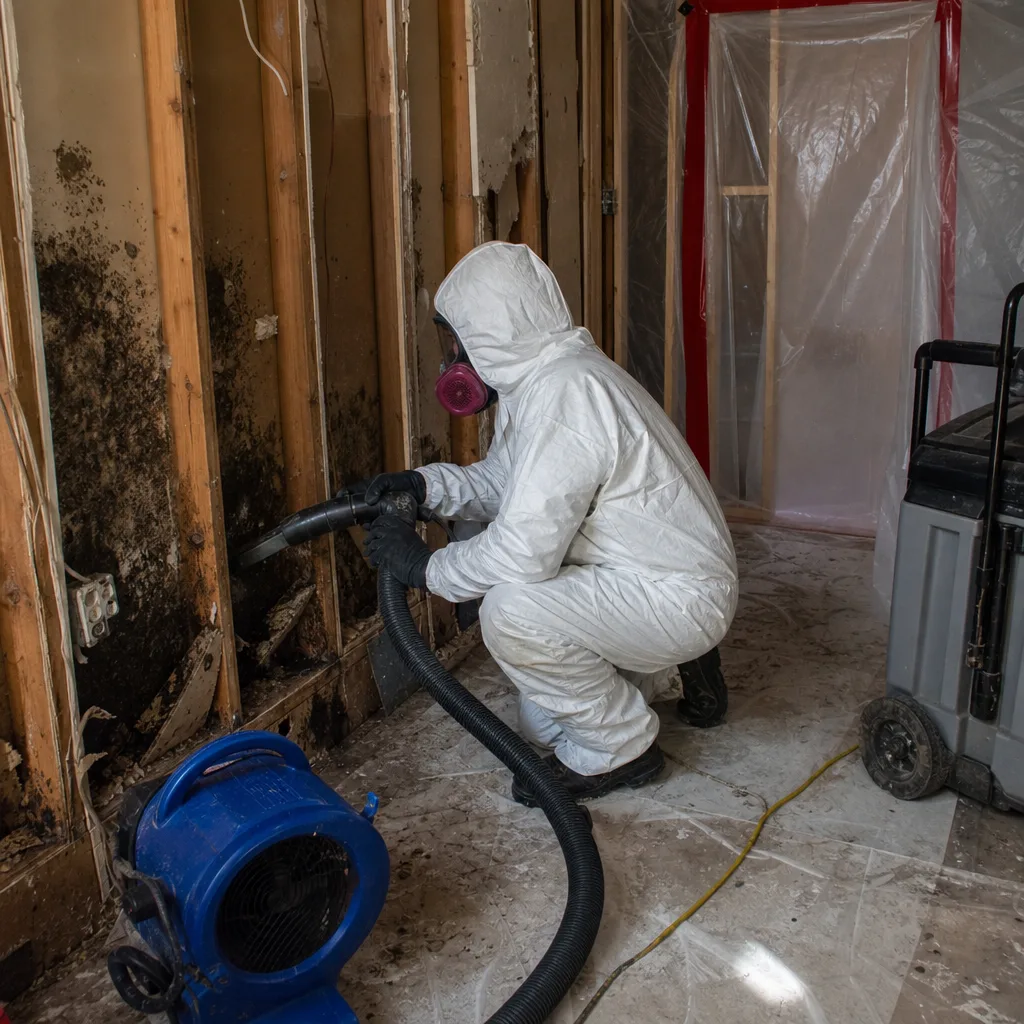
Restoration pricing in Huntington Beach is knowable, verifiable, and defensible - when the company you hire treats documentation as the product, not an afterthought. The ten Xactimate line items, the equipment rental math, the RCV/ACV distinction, and the three inflation tactics described here give you the vocabulary to read any estimate critically and ask the questions that protect your claim. The alternative is opacity by design: vague scopes, missing drying logs, and billing that evaporates under scrutiny precisely when you need insurer cooperation most. At DryMark Restoration Huntington Beach, every job since 2011 has begun with a written price, proceeded with a photo record on every visit, and concluded with a 365-Day Done Right Promise backed by The Haven Standard. That documentation is not extra service. It is the foundation of a restoration invoice that gets paid.
Call (657) 288-3467 for a free estimate with exact line-item pricing, or bring any competitor’s written estimate for our Free Second Opinion. Live phone coverage is available 24 hours a day, 7 days a week with no voicemail on emergency lines.
Written by Alicia Brennan, Owner at DryMark Restoration Huntington Beach, serving Huntington Beach since 2011.