
Last updated September 23, 2026
Free visual inspection and a written scope of work before any mitigation begins - photos, moisture readings, and drying logs go in your claim file
The scope we write is the scope we bill. Anything new gets shown to you, in writing, before we touch it.

 Before
 After
After Before
 After
After Before
 After
AfterDamage Restoration Permits, Codes & Inspections in CA: What You Need to Know
A Huntington Beach homeowner accepted a contractor’s offer to “skip the permit and save two weeks” on drywall replacement after a water loss. At closing, the buyer’s lender flagged the unpermitted work. The sale stalled until the homeowner paid $14,000 for remediation, re-inspection, and a retroactive permit through Orange County. The insurance claim that originally funded the work? The carrier cited lack of code compliance documentation and clawed back $8,200. Permits aren’t bureaucratic overhead in California restoration. They’re a financial protection instrument that separates payable claims from title encumbrances. This guide explains exactly which restoration tasks trigger mandatory permits, how SB 800 turns permit records into legal evidence, and what Huntington Beach homeowners need to document before the crew leaves. For DIY vs Professional Damage Restoration: The Huntington Beach Homeowner’s Decision Guide, see our companion resource.
Quick Answer
Most structural, plumbing, electrical, or roofing repairs following damage in California require a city or county building permit under the California Building Code (CBC), as detailed in Damage Restoration Warning Signs: A Huntington Beach Homeowner’s Reference Guide. Unpermitted restoration work can void insurance coverage, create title defects that block home sales, and expose homeowners to SB 800 construction defect liability. In Huntington Beach, permits are required for drywall replacement exceeding 200 square feet, any electrical or plumbing repair, roof work on more than 25% of the total roof area, and structural repairs exceeding $1,000 in value.
Table of Contents
- Which Restoration Tasks Require Permits in Huntington Beach?
- California Building Code: The Specific Sections That Govern Restoration
- SB 800 and Why Your Permit Record Is Legal Evidence
- How Insurers Verify Permit Compliance Before Final Payment
- What a Certificate of Occupancy Actually Documents
- Retroactive Permits in Orange County: Costs, Timeline, and Re-Inspection Triggers
- Huntington Beach Climate, Coastal Zone Codes, and Restoration Triggers
- The Documentation System That Protects Your Claim and Your Title
 Before
 After
AfterWhich Restoration Tasks Require Permits in Huntington Beach?
Huntington Beach operates under the California Building Code (CBC) as adopted by Orange County with local amendments. The city’s Building Division issues permits based on work type and scale, not on who performs it. Homeowners often assume restoration is “just cleanup” and exempt. It usually isn’t.
Here’s what triggers mandatory permitting in Huntington Beach:
- Drywall replacement exceeding 200 square feet - This threshold catches most water damage and mold remediation projects in open-plan homes. A 12-by-15-foot living room with wet drywall and insulation hits 180 square feet of wall surface alone. Add ceiling and you’re over. Many contractors quote “patch and paint” without mentioning the permit trigger.
- Any electrical repair or replacement - Outlets moved, circuits added, panel work, or rewiring in water-damaged walls. Even “like-for-like” replacement of flooded electrical components requires an electrical permit under CBC Chapter 27.
- Plumbing repairs beyond fixture replacement - Re-piping sections, replacing drain lines, or any work on the main water line. The California Plumbing Code (CPC) requires permits for alterations, not just new installations.
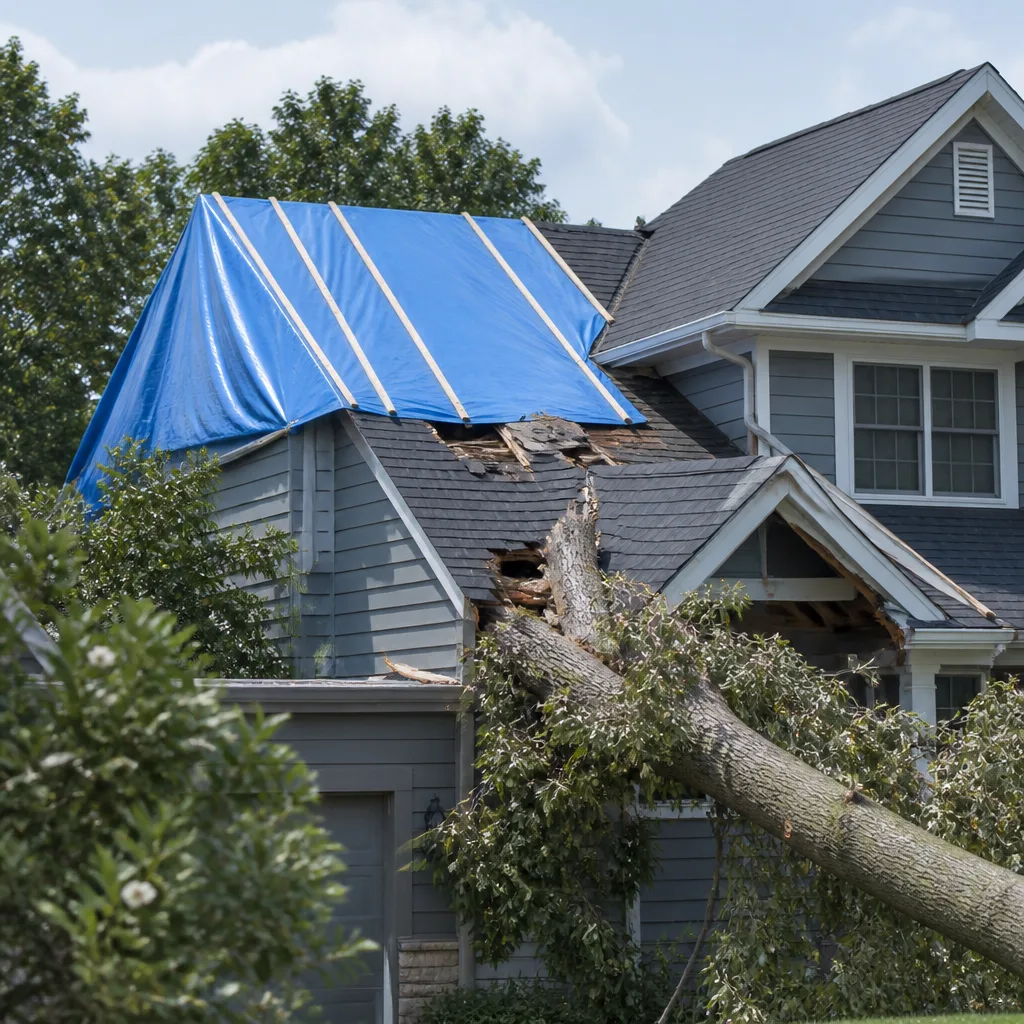
- Roof work exceeding 25% of total roof area in any 12-month period - Storm damage often triggers this incrementally. A March wind loss on the south slope and an October rain intrusion on the north slope can combine to cross the threshold.
- Structural repairs valued over $1,000 - This includes sistering joists, replacing load-bearing studs, or subfloor replacement after prolonged water exposure.
- HVAC ductwork replacement or relocation - Common after fire or smoke damage. The California Mechanical Code (CMC) governs.
- Window or door replacement altering egress - Fire damage restoration sometimes involves resizing openings. Egress requirements are life-safety items with zero tolerance for unpermitted work.
The 200-square-foot drywall threshold surprises most Huntington Beach homeowners we’ve worked with. In 2019, we documented a job in the Huntington Harbour area where a contractor had replaced 340 square feet of water-damaged drywall and insulation without pulling a permit. The homeowner discovered the issue during a refinance. The lender required a retroactive permit, which triggered a full re-inspection including moisture verification behind the new drywall. The delay cost six weeks and $3,400 in carrying costs.
Permit fees in Huntington Beach scale with project value. For a typical water damage restoration involving drywall, insulation, and minor electrical, expect $400-$800 in city fees. The permit itself is usually issued within 2-3 business days if plans are complete. Expedited review is available for emergency repairs, but the permit must still be filed within 72 hours of work commencement.
California Building Code: The Specific Sections That Govern Restoration
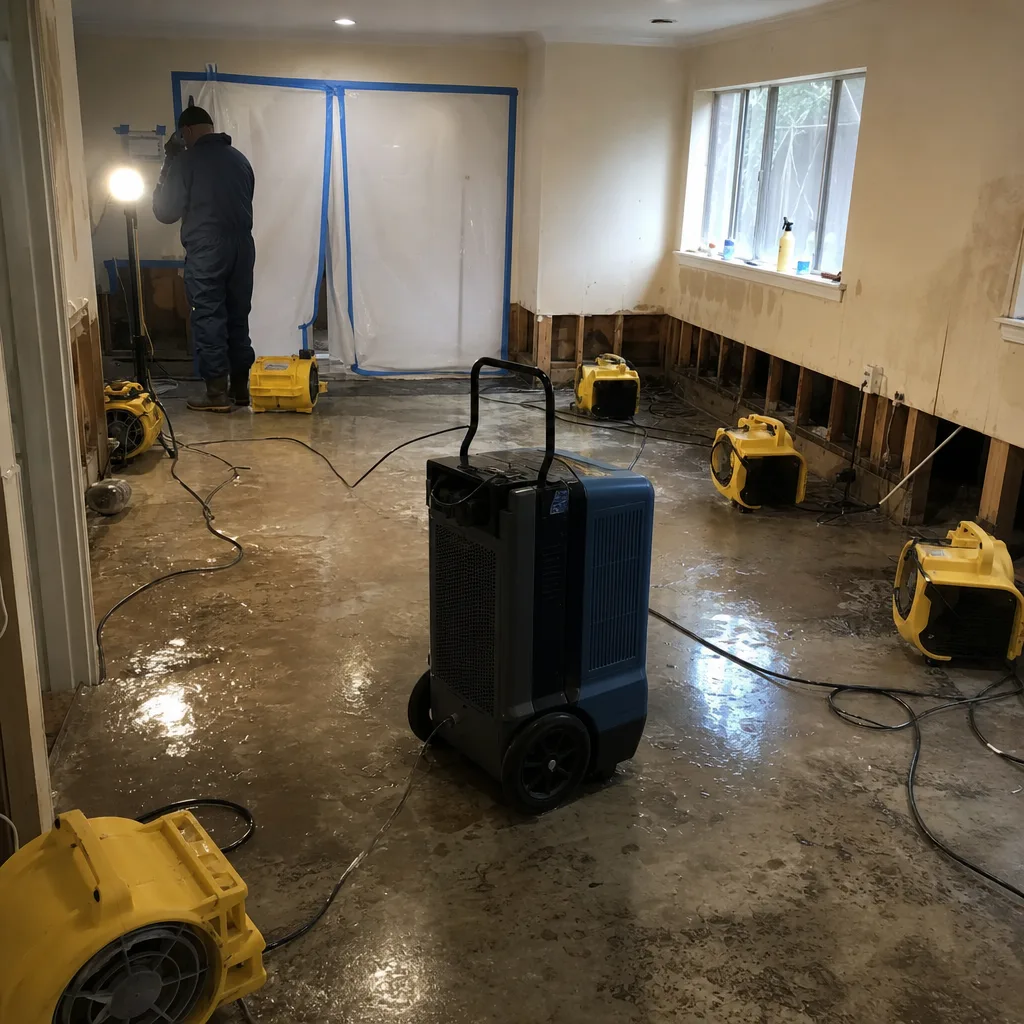
Restoration contractors who understand code sections by number write better scopes and face fewer re-inspections. Homeowners who can reference these sections ask sharper questions and spot incomplete estimates.
CBC Chapter 15 - Roofing and Roof Structures
Chapter 15 governs all roof assemblies, including repairs after wind, hail, or fire damage. Key provisions: roof coverings must be replaced with materials meeting current fire-resistance ratings, not necessarily matching the original. In Huntington Beach’s Wildland-Urban Interface zones near Central Park and the Bolsa Chica Ecological Reserve, Class A fire ratings are mandatory for re-roofing. A contractor who installs Class B to “match existing” violates code and creates an unpermitted condition.
Section 1510 specifies that roof recover (installing new over old) is prohibited when the existing roof has water damage, is saturated, or has two or more existing layers. Storm restoration often involves removing everything to deck. The permit scope must state “remove to deck” explicitly, or the inspector will fail it for incomplete description.
CBC Chapter 25 - Gypsum Board and Plaster
This chapter governs drywall replacement, the most common restoration permit trigger. Section 2508 requires moisture-resistant gypsum in bathrooms, laundry rooms, and other “wet areas.” After water damage, many contractors replace with standard drywall to save $2-$3 per sheet. That’s a code violation if the original was moisture-resistant, and it’s a common re-inspection failure in Huntington Beach.
The chapter also specifies fastener patterns, joint treatment, and fire-resistance ratings. Type X fire-rated drywall is required in garage ceiling assemblies and certain multi-family applications. A fire restoration scope that omits the fire rating invites permit rejection.
California Plumbing Code (CPC) - Chapter 3 and 11
Chapter 3 covers materials and installation. After a water loss, any repiping must use approved materials - copper Type L or M, PEX with proper fittings, or CPVC in specific applications. We’ve seen unpermitted jobs in the Oak View neighborhood where contractors reused old galvanized lines with push-fit connectors. The inspector flagged it immediately; galvanized is permitted for repair only, not replacement, and push-fits aren’t approved for concealed installation.
Chapter 11 covers storm drainage. Flood restoration sometimes involves regrading or drain modifications. Any alteration to the building’s storm drainage requires a separate plumbing permit and hydraulic calculations for properties in Huntington Beach’s flood zones.
California Electrical Code (CEC) - Based on NEC with California Amendments
Article 250 (grounding and bonding) and Article 310 (conductors) govern most restoration electrical work. Water-damaged outlets must be replaced with GFCI or AFCI protection where current code requires it, even if the original didn’t have it. This “upgrade to current code” requirement surprises homeowners but is non-negotiable for permit approval.
In Huntington Beach’s older neighborhoods near downtown - homes built 1950-1975 - we regularly encounter ungrounded circuits. Restoration that opens walls triggers the requirement to bring the affected circuit up to current grounding standards. The permit scope must include this, or the homeowner faces a change order mid-project.
SB 800 and Why Your Permit Record Is Legal Evidence
California’s Right to Repair Act, codified in Civil Code Section 895 et seq., creates a statutory framework for construction defect claims. SB 800 applies to residential construction completed after January 1, 2003, and it fundamentally changes how restoration permits function as legal documents.
Under SB 800, homeowners have ten years to sue for latent construction defects - structural, water intrusion, or soil-related issues. The clock starts at substantial completion. Here’s where permits matter: the date on your Certificate of Occupancy or final inspection sign-off is the legal date of substantial completion. An unpermitted restoration has no documented substantial completion date. If a defect emerges years later, the homeowner cannot prove when the statute of limitations began to run.
More critically, SB 800 requires homeowners to provide written notice of claimed defects and allow the builder a right to repair before litigation. The builder’s defense often hinges on proving the work met code at the time of completion. Without permit records and inspection sign-offs, the builder (or their insurer) has no evidence of code compliance. The homeowner who skipped permitting has destroyed their own defense.
We’ve reviewed claim files where unpermitted mold remediation in Huntington Beach became the central issue in an SB 800 dispute. The homeowner alleged that remediation failed and mold recurred. The restoration company had no permit, no inspection record, and no documented moisture readings. They couldn’t prove their work met IICRC S520 standards or California mold regulations. The case settled for policy limits that could have been avoided with $600 in permit fees and a photo-documented drying log.
The permit record also functions as a third-party verification of scope. An inspector who signs off on drywall replacement has independently confirmed that the work behind the wall - insulation, vapor barrier, structural repairs - matches what was proposed. That verification is admissible evidence in ways that a contractor’s self-certified invoice is not.
How Insurers Verify Permit Compliance Before Final Payment
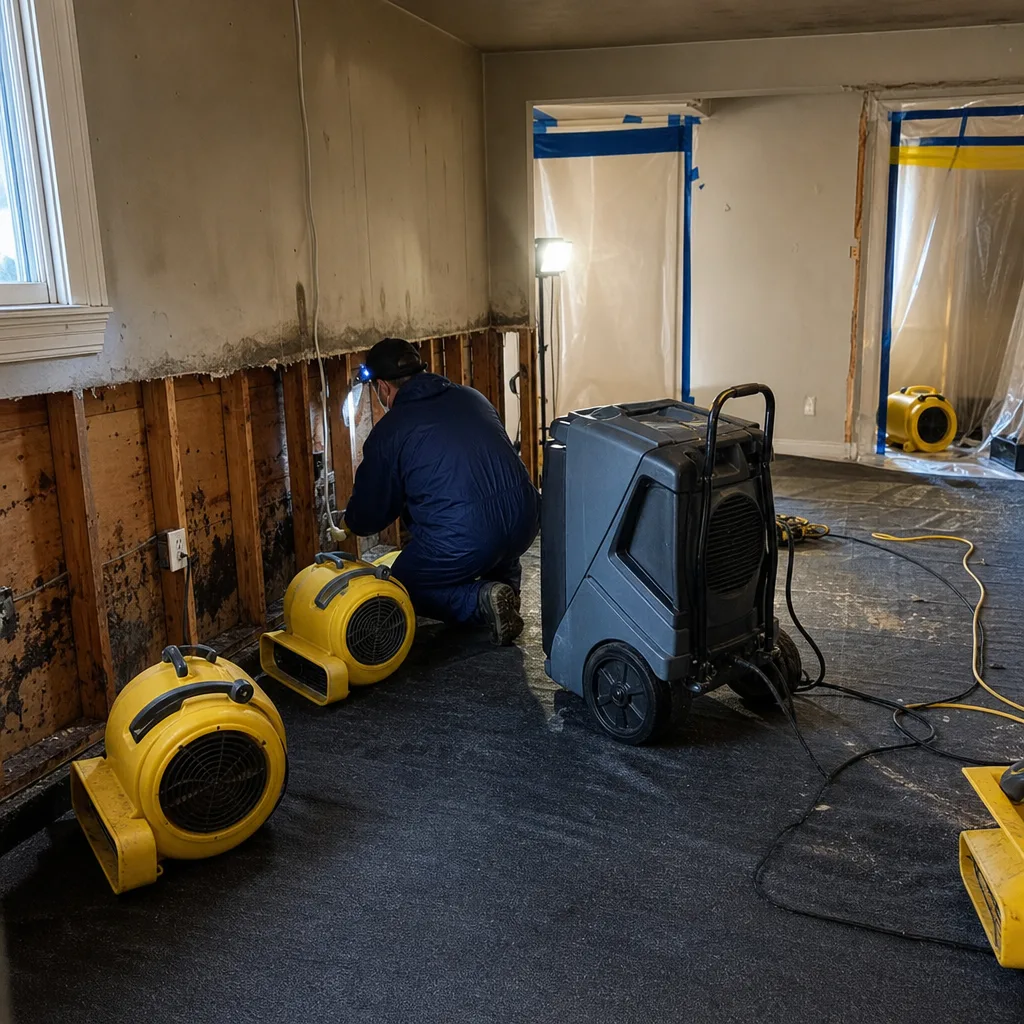
Insurance carriers have tightened permit verification significantly since 2020. Where adjusters once accepted contractor invoices at face value, most now run permit checks as a standard closing procedure. The process varies by carrier, but the pattern is consistent.
Step 1: Scope Review Against Permit Record
The independent adjuster or staff examiner compares the contractor’s final invoice against the municipal permit database. They’re checking that permitted work matches billed work. If the invoice shows $14,000 in electrical repairs but the permit covers only $3,200 in drywall, the carrier flags the discrepancy.
Step 2: Final Inspection Verification
Carriers increasingly require proof of final inspection before releasing depreciation holdbacks. The final inspection sign-off confirms code compliance at completion. Without it, the carrier may withhold 20-30% of the replacement cost value or switch to actual cash value settlement.
Step 3: Code Upgrade Documentation
Most policies include Ordinance or Law coverage for code upgrade costs, but only with documentation. The permit application showing code-required upgrades (GFCI outlets, fire-rated drywall, seismic straps) triggers this coverage. Unpermitted work that included upgrades anyway leaves money on the table - the carrier won’t pay for upgrades they can’t verify were code-mandated.
Step 4: Lien and Encumbrance Search
At claim closure, carriers run title searches to confirm no municipal liens exist for unpermitted work. Huntington Beach can place abatement liens on properties with ongoing code violations. A lien blocks claim closure and can trigger the carrier’s duty to defend under liability provisions.
We’ve documented this directly: in 2022, a major carrier denied $11,400 in supplemental payments for a Huntington Beach water loss because the contractor’s “emergency” drywall replacement lacked a permit. The carrier cited policy language requiring “work performed in compliance with applicable building codes.” The homeowner paid out of pocket for the retroactive permit and re-inspection, then spent eight months in subrogation to recover from the contractor.
The documentation that prevents this is straightforward: a permit application with scope matching the estimate, inspection cards with sign-off dates, and a Certificate of Final Completion or Occupancy. These documents belong in the same claim file as the contractor’s invoice and your proof of loss.
What a Certificate of Occupancy Actually Documents
Homeowners often confuse a Certificate of Occupancy (CO) with a contractor’s completion letter. They’re different documents with different legal functions, and understanding the distinction protects your claim and your title.
A Certificate of Occupancy is issued by the city building official after final inspection confirms all permitted work complies with approved plans and applicable codes. It certifies three things: the work was inspected, the inspection found compliance, and the building is safe for its intended use. The CO is recorded in the city’s permanent file and often indexed to the county assessor’s records.
A contractor’s completion letter certifies nothing except that the contractor believes they’re done. It carries no third-party verification, no municipal weight, and no title clearing function.
In restoration contexts, the relevant document is usually a Certificate of Final Completion (CFC) or a signed final inspection card, not a full CO. New construction requires a CO. Restoration of existing occupancy typically uses the CFC. The distinction matters for title searches - some title companies flag properties with permitted work lacking final sign-off, even if occupancy was never interrupted.
Here’s what the CFC documents that your claim file needs:
- Approved scope match - The inspector verified that completed work matches the permitted scope. No hidden deviations, no “we’ll fix it later” items.
- Code edition compliance - The work met the code edition in force at permit issuance. This matters when code cycles change mid-project, as happened with the 2022 CBC update affecting energy efficiency requirements for replaced windows.
- Third-party inspection date - A fixed point for warranty periods, statute of limitations, and depreciation calculations.
- Municipal release - Confirmation that no outstanding code violations or correction notices remain open against the property.
We file CFCs with every claim documentation package we produce. Under The Haven Standard, the photo record, drying log, written scope, and final inspection documentation are standard deliverables, never upsells. When an adjuster asks for permit verification, we hand them a complete file, not a hunt through city records.
For Huntington Beach homeowners, the CFC is available through the city’s online permit portal within 48 hours of final inspection approval. Find more guides & resources on our blog. Request it. Save it with your insurance claim. When you sell, provide it to the title company proactively. The $0 cost prevents the $14,000 surprise our opening example suffered.
Retroactive Permits in Orange County: Costs, Timeline, and Re-Inspection Triggers
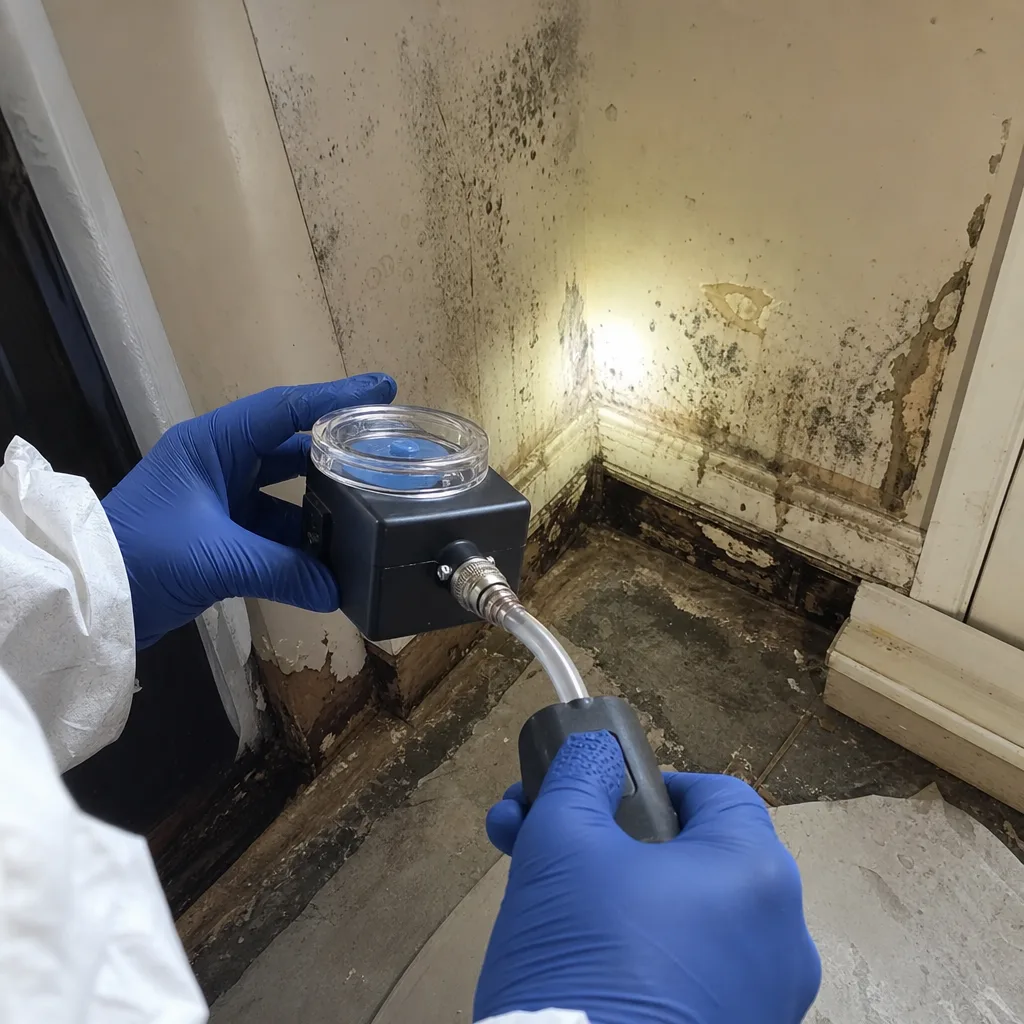
Unpermitted restoration work happens. Contractors skip permits to accelerate schedules, homeowners don’t know to ask, or emergency conditions make immediate action feel justified. When the gap surfaces - during sale, refinance, or insurance review - retroactive permitting is the remedy. It’s also more expensive and invasive than doing it right the first time.
Orange County’s retroactive permit process, administered through individual city building departments for incorporated areas like Huntington Beach, has two tracks:
Records-Only Review
Available only when work is fully accessible for visual inspection, was minor in scope, and involved no structural, electrical, or plumbing components. The building official reviews photos, contractor invoices, and material specifications. If satisfied, they issue a permit record without physical inspection. Timeline: 2-4 weeks. Cost: 1.5x the original permit fee plus a $200-$400 administrative charge.
We’ve seen records-only approval for drywall replacement in a Huntington Beach condo where the homeowner preserved detailed photos of the stud cavity before closure. The documentation was exceptional; most homeowners don’t have it.
Full Re-Inspection Track
Required for structural, electrical, plumbing, or HVAC work; for any work now concealed behind finished surfaces; or when the building official determines that code compliance cannot be verified from records alone. This track requires:
- Application with as-built drawings or detailed scope description
- Opening of concealed work for inspector access - drywall removal, ceiling access, trenching for underground plumbing
- Correction of any code violations found, which may require complete re-work if original materials or methods don’t meet current code
- Standard inspection sequence: rough, insulation, final
- Final sign-off and CFC issuance
Timeline: 6-14 weeks depending on inspection availability and correction cycles. Cost: 2-3x original permit fee, plus demolition and re-finish of opened areas, plus contractor time for corrections. Total retroactive cost for a typical Huntington Beach water damage restoration: $4,000-$12,000 above the original work price.
The re-inspection trigger that surprises homeowners most: any electrical or plumbing work now behind drywall. The inspector must see it. In a finished home, that means opening walls. We’ve documented retroactive permits in the Seacliff neighborhood where the inspector required removal of 80 linear feet of new baseboard and drywall to verify plumbing strap spacing. The original “savings” of skipping the permit evaporated.
Huntington Beach Building Division maintains a specific checklist for retroactive permit applications. It requires notarized owner affidavits, contractor licensing verification, and proof of workers’ compensation coverage for the original work. If the original contractor was unlicensed or uninsured, the homeowner assumes liability and may need to post a bond.
The Haven Standard, Clause 1 - written price before work begins - includes permit costs in every estimate we provide. No surprise fees, no “we’ll handle it later” assumptions. When a homeowner asks whether permitting is necessary, we show them the city checklist, not a verbal assurance.
Huntington Beach Climate, Coastal Zone Codes, and Restoration Triggers
Huntington Beach’s location creates restoration scenarios that inland California doesn’t face, with corresponding code requirements that surprise contractors from other markets.
Marine Climate and Moisture Management
The city’s average relative humidity runs 65-75%, with marine layer penetration reaching several miles inland on summer mornings. This matters for restoration drying. IICRC S500 standards for water damage restoration specify drying goals based on regional equilibrium moisture content (EMC). Huntington Beach’s EMC for wood is 12-14%, higher than inland Orange County’s 9-11%. A contractor who targets inland drying levels over-dries, causing shrinkage cracks in drywall and hardwood. The permit inspector won’t catch this directly, but the resulting callback - documented in city complaint records - creates a paper trail of defective work.
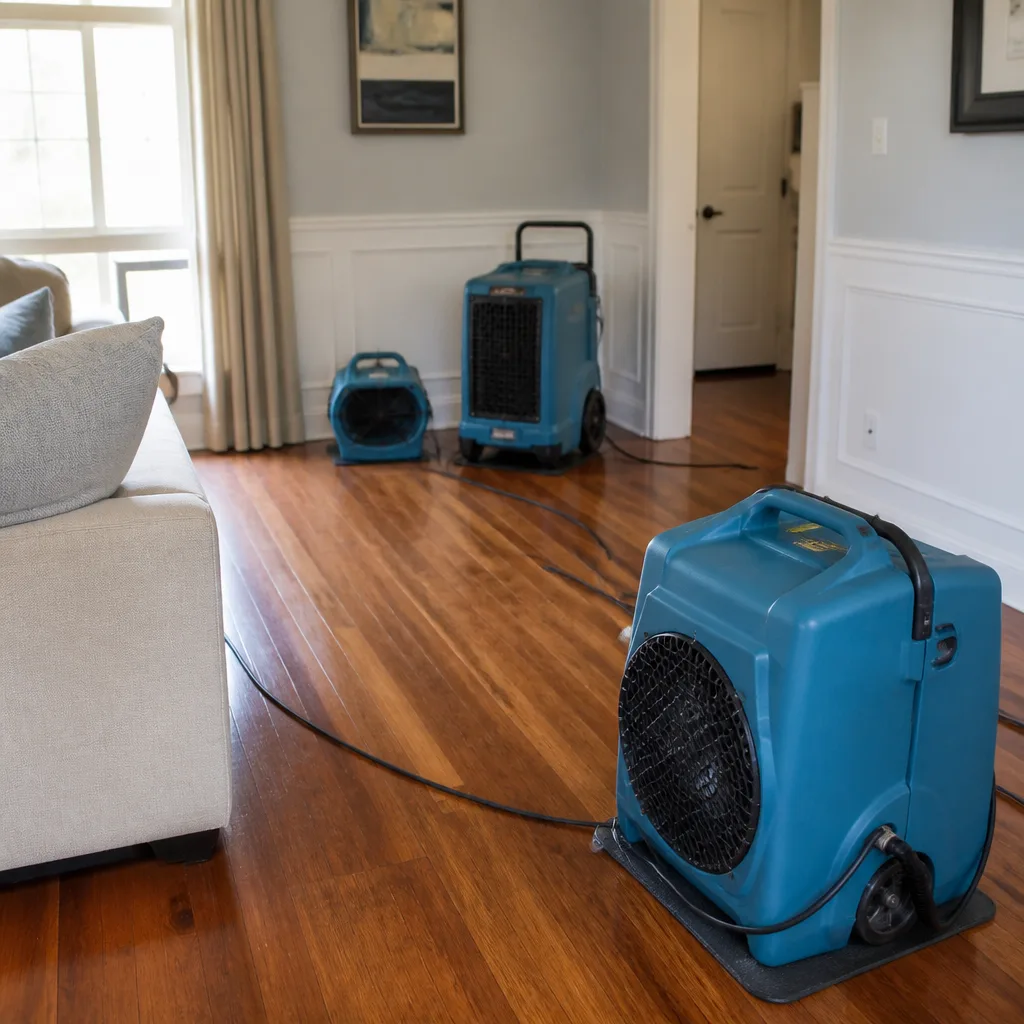
Our drying protocols use professional-grade equipment documented to IICRC standards - Dri-Eaz and Phoenix dehumidifiers sized to coastal conditions, with daily psychrometric logs showing vapor pressure differential and grain depression. The documentation proves we hit regional targets, not generic ones.
Coastal Zone and FEMA Flood Requirements
Properties west of Pacific Coast Highway and portions of Huntington Harbour fall within FEMA’s Special Flood Hazard Area. Restoration after flooding in these zones triggers additional requirements:
- Elevation certificates - Required for any substantial improvement, defined as repair costing 50% or more of the structure’s market value. Flood restoration often approaches this threshold.
- Flood-resistant materials below Base Flood Elevation - CBC Chapter 16 and FEMA Technical Bulletin 2 specify materials that can withstand flood immersion. Standard drywall, insulation, and flooring materials don’t qualify. Permits in flood zones require material specifications.
- Venting requirements for enclosed areas - Crawl spaces and below-BFE enclosures must have flood vents meeting ICC 500 or ASCE 24 standards. Post-flood restoration sometimes involves enclosing previously open areas; this triggers venting requirements that unpermitted work misses.
We’ve reviewed competitor estimates for Huntington Harbour properties that specified standard fiberglass insulation below BFE. That’s a code violation and a permit rejection. The correct specification: closed-cell spray foam or rigid mineral wool, with documentation of flood resistance.
Corrosion-Resistant Materials
Salt air within two miles of the coast accelerates corrosion of fasteners, flashing, and mechanical equipment. CBC requires corrosion-resistant materials in coastal exposure zones. Restoration that replaces roofing, siding, or mechanical equipment without corrosion-resistant specifications fails inspection. We specify stainless steel or hot-dip galvanized fasteners, copper flashing with proper break lines, and coated mechanical equipment in all coastal restoration scopes.
Seismic Bracing
California’s seismic requirements apply statewide, but Huntington Beach’s liquefaction zones - particularly in the Bolsa Chica and Sunset Beach areas - trigger enhanced bracing for water heaters, mechanical equipment, and gas lines. Post-earthquake or post-water-damage restoration requires reinstallation with current seismic straps and flexible connectors. The permit inspector checks these specifically; it’s a common re-inspection failure point.
The Documentation System That Protects Your Claim and Your Title
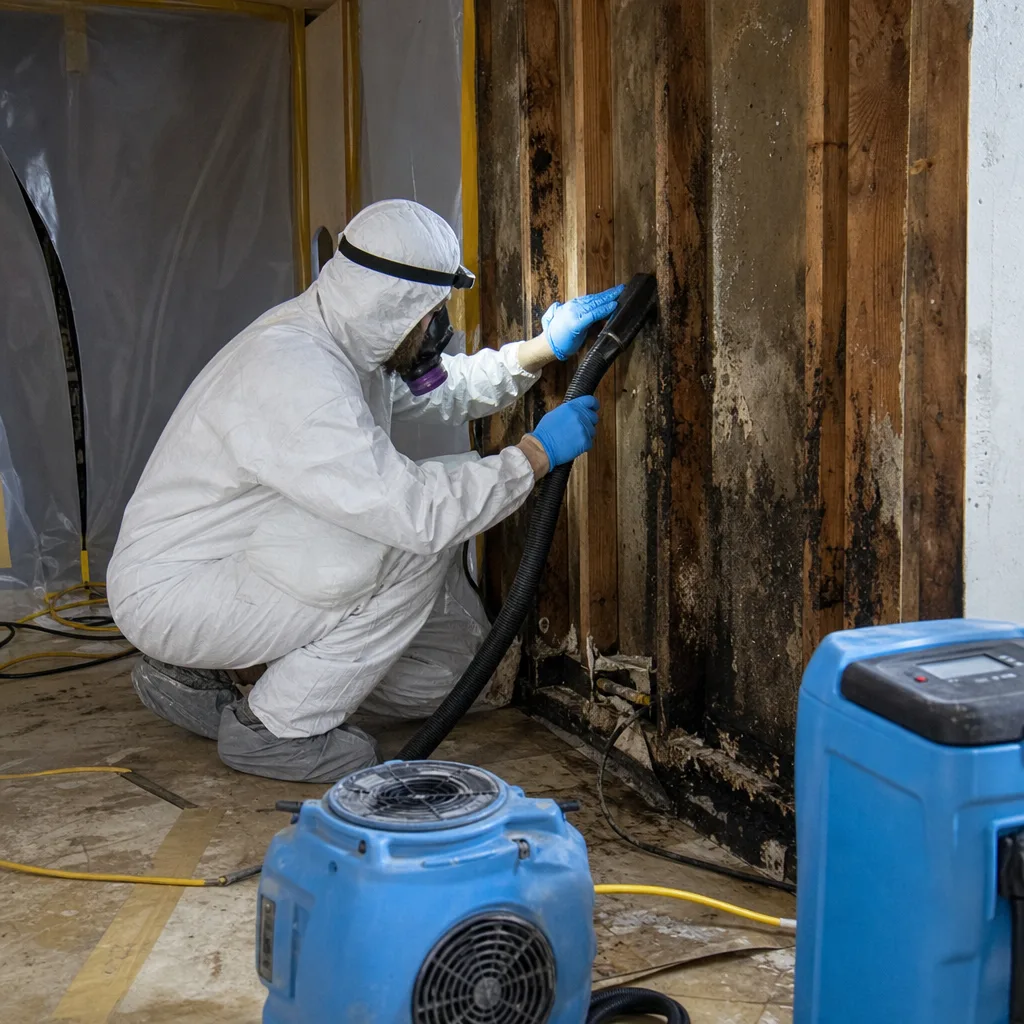
Permits are only as good as the documentation that surrounds them. A permit without a matching scope, without inspection records, without material specifications, is a piece of paper with limited protective value. The Haven Standard was built around this gap - the documentation failure that costs homeowners their claims.
Here’s what complete restoration documentation looks like, and why each element matters for permit compliance and insurance payment:
The Written Scope (Haven Standard, Clause 1)
Before any work begins, we deliver a written price with line-item breakdown: demolition square footage by room, material specifications with manufacturer and model, equipment list with unit counts and placement, labor hours by trade, and permit fees as a separate line. The scope matches the permit application exactly. When the inspector reviews approved plans, they see the same work description the homeowner approved. No variance, no dispute, no scope creep.
The Photo Record
Every visit, every phase: pre-loss condition, moisture readings with meter model and calibration date, demolition progress, material installation, equipment placement with serial numbers visible, and final condition. Photos are geotagged, time-stamped, and uploaded to a shared folder the homeowner and adjuster can access. For permit purposes, photos document concealed work before closure - the insulation, the vapor barrier, the strap spacing - that the inspector will never see again.
We use this record to support permit applications when documentation gaps exist. In one Huntington Beach case, a previous contractor’s unpermitted work required retroactive permitting. Our photo record of the opened cavity, taken during subsequent mold remediation, provided the visual evidence the building official needed for a records-only review. The homeowner avoided $6,000 in re-opening costs.
The Daily Drying Log
Psychrometric data: temperature, relative humidity, specific humidity, vapor pressure, and dew point, recorded at equipment intake and exhaust, plus ambient readings. Moisture content readings for affected materials, with meter type and depth of reading. Equipment operating hours and any adjustments. This log proves that drying met IICRC standards and justifies the equipment rental period on the invoice. Adjusters who understand drying science - increasingly common - review these logs for reasonableness. A log that shows proper progression from saturation to dry standard supports the claim; a missing or generic log invites scrutiny.
Our equipment - Dri-Eaz, Phoenix, XPOWER, and B-Air units - outputs data compatible with restoration management software that generates these logs automatically. The serial number on each machine ties to the log entry, proving the equipment was actually on site.
The Permit File
Application, approved plans, inspection cards with dates and inspector initials, correction notices and responses, and final Certificate of Completion. We maintain this file for ten years, matching the SB 800 statute of limitations. When a homeowner sells, refinances, or faces a defect claim, the complete permit file is available within 24 hours.
The 365-Day Done Right Promise
A signed warranty under The Haven Standard, not a verbal assurance. It specifies: if any restoration-related defect emerges within 365 days of completion, we return to correct it at no charge, including permit costs for any required re-inspection. The warranty references the original permit number and inspection dates, creating a direct link between the guarantee and the code-compliant work it covers.
This documentation system turns restoration from a service transaction into a recorded, verifiable, transferable asset. The homeowner who has it can sell without title surprises, claim without payment delays, and defend against defect allegations with third-party evidence. The homeowner who doesn’t - regardless of how good the work looked on day one - holds only a contractor’s promise and a hope that nothing goes wrong.
Common Mistakes to Avoid
- Accepting “the insurance company handles permits” - They don’t. The property owner is the permit holder of record. The carrier may reimburse permit fees, but they don’t apply for or manage the permit. Contractors who say otherwise are misinformed or misleading.
- Assuming emergency repairs are exempt - Huntington Beach allows emergency work to proceed before permit issuance, but requires application within 72 hours. The exemption is procedural, not substantive. The work must still meet code and still requires retroactive inspection.
- Letting the contractor pull the permit in their name - Permits should be in the property owner’s name or with the owner listed as co-applicant. A contractor-held permit walks away with the contractor, leaving gaps in the owner’s record.
- Ignoring the 200-square-foot drywall threshold - It’s the most common unpermitted restoration in Huntington Beach. Measure your affected area carefully. Include both sides of walls if both are replaced, and ceiling square footage separately.
- Failing to match scope to permit application - If the estimate says “replace drywall and insulation” but the permit says “drywall only,” the insulation work is unpermitted. Review the permit application before signing, not after the inspection fails.
- Discarding inspection documentation - The final sign-off card belongs in your permanent property file, not the contractor’s truck. Request copies of all inspection records at completion.
- Assuming “like-for-like” replacement avoids code upgrades - California requires current code compliance for all permitted work, including upgrades to GFCI, AFCI, fire-rated materials, and seismic bracing. The permit cost includes these upgrades; skipping the permit doesn’t eliminate the requirement, it just eliminates the documentation.
When to Call a Professional
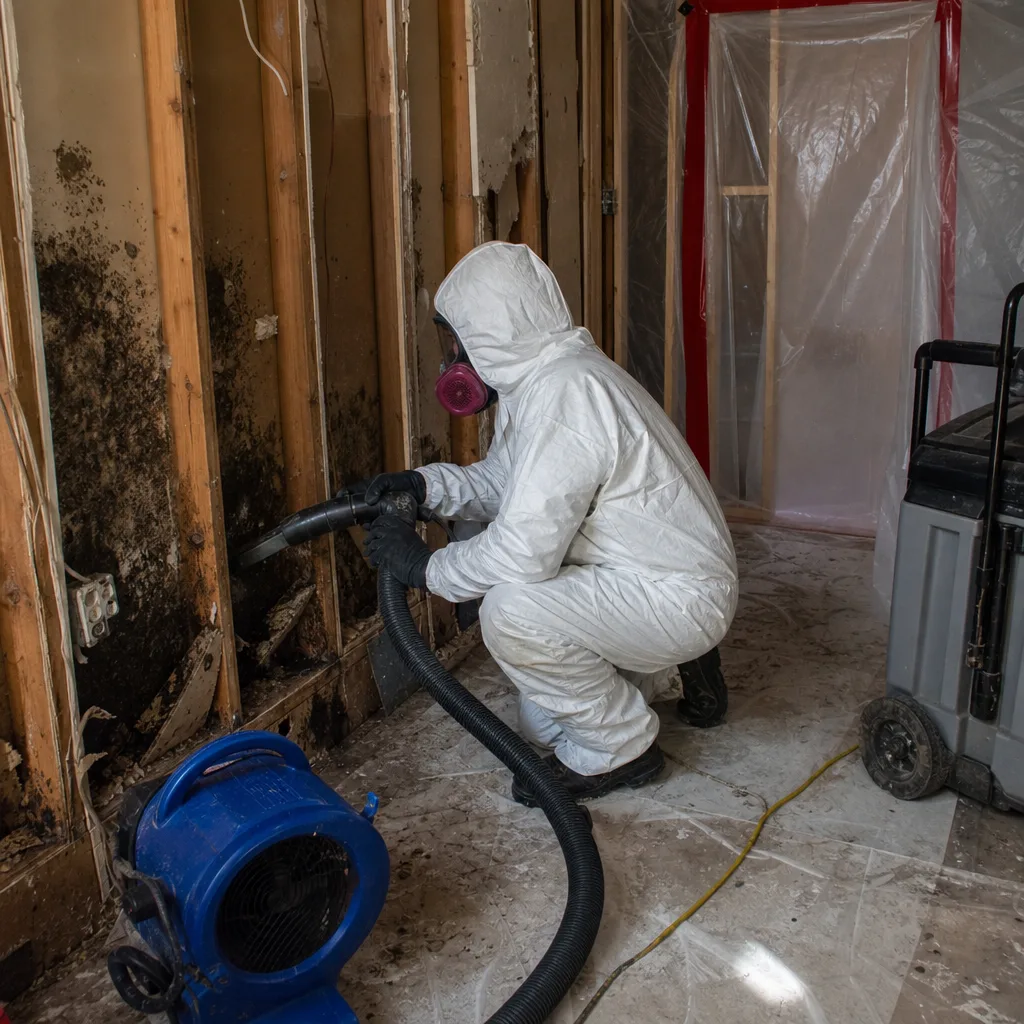
Call a licensed restoration contractor before you sign any insurance release or contractor agreement if: the damage involves structural elements, electrical or plumbing systems, or more than one room; your estimate doesn’t list permit fees as a separate line item; the contractor suggests “handling permits later” or “seeing if we need one”; you’re in a FEMA flood zone or coastal exposure area; or the work was already started without a visible permit card posted.
DryMark Restoration Huntington Beach offers free estimates in Huntington Beach - call (657) 288-3467. Every estimate includes permit analysis, a written price before work begins under Haven Standard Clause 1, and documentation of what permits will cost and who will manage them. We also provide a Free Second Opinion on any competitor’s written estimate, with specific attention to permit gaps that could cost you at closing.
Frequently Asked Questions
Most standard homeowner policies include Ordinance or Law coverage that reimburses permit fees for code-required repairs, typically at 10-25% of the dwelling coverage limit. The key is documentation: the permit application must show code-mandated work, not optional upgrades. We document code triggers in every written scope so carriers can approve permit fee reimbursement without dispute. Call (657) 288-3467 for a free estimate that includes permit cost analysis.
Standard permit review takes 2-3 business days for typical water damage or mold remediation scopes. Emergency repairs can proceed immediately with 72-hour permit application. Same-day permits are available for life-safety hazards like electrical exposure or structural collapse, but require inspector verification within 24 hours. We file emergency permits before equipment arrives, not after work is complete.
Yes, if the replacement exceeds 200 square feet of wall or ceiling surface in Huntington Beach. A 10-by-10-foot room with 8-foot ceilings has 320 square feet of wall surface alone. Most “small” leaks in open-plan homes exceed the threshold. We measure and calculate during our free estimate and include permit requirements in the written scope.
The buyer’s lender or title company will likely flag it during due diligence. Solutions range from seller-funded retroactive permitting (6-14 weeks, $4,000-$12,000) to sale price reductions, to deal cancellation. In Huntington Beach’s active market, we’ve seen unpermitted work delay closing by 8-12 weeks. The permit you pay for during restoration prevents the emergency you pay for during sale.
No. In California, permit requirements are statutory, not contractual between owner and contractor. A contractor who performs permit-required work without a permit faces CSLB disciplinary action, and the work can be ordered removed or corrected at the contractor’s expense. Your agreement doesn’t shield either party. We refuse unpermitted work because the liability flows to everyone involved.
Check the Huntington Beach permit portal directly using your address. A valid permit shows application date, scope description, approved plans, and inspection status. The physical permit card should be posted at the job site. We provide permit numbers in our written scope and encourage homeowners to verify online. Transparency is Haven Standard practice.
The Bottom Line
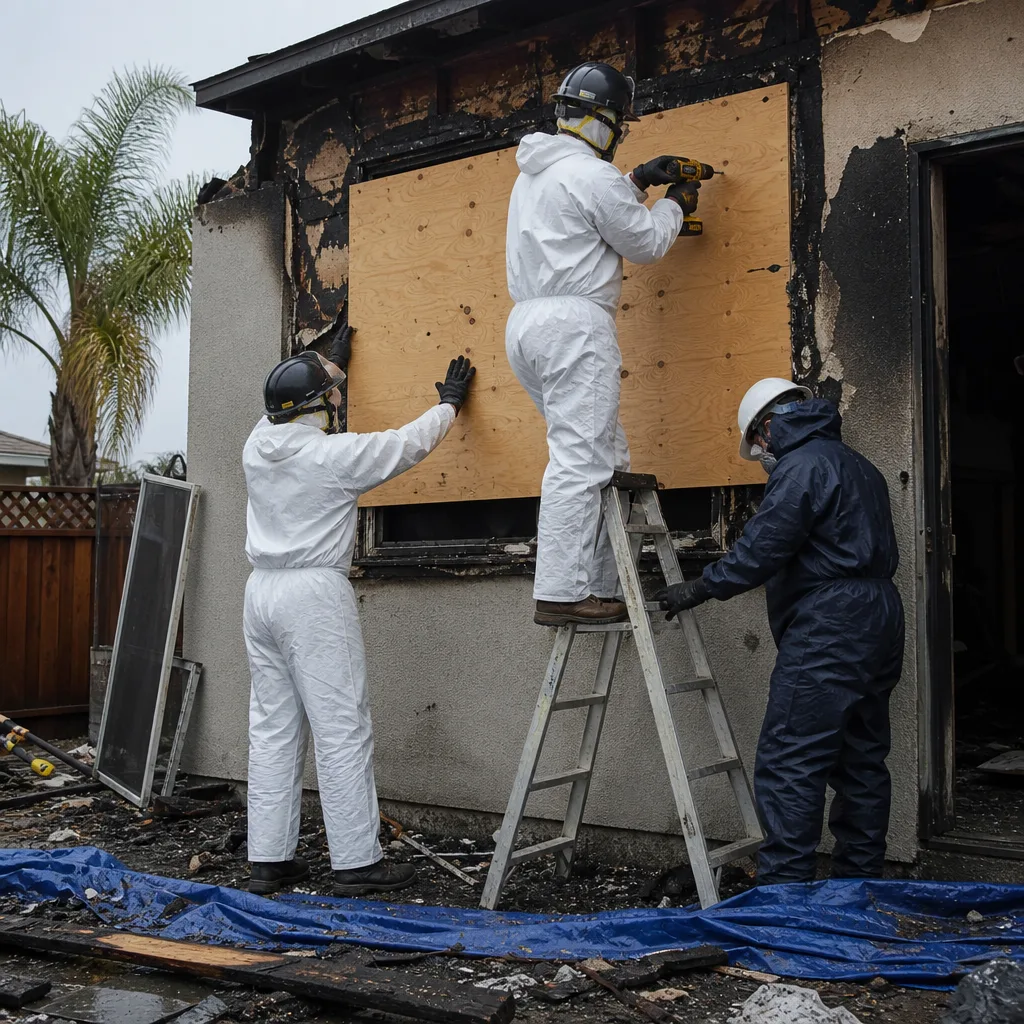
Permits in California restoration aren’t red tape. They’re the documentation that converts repair work into a verifiable, insurable, sellable asset. Unpermitted work creates title defects that surface at the worst possible moment, voids insurance protections you paid premiums for, and destroys the evidence you’d need under SB 800. In Huntington Beach, the specific thresholds - 200 square feet of drywall, any electrical or plumbing, 25% of roof area - catch most restoration projects. The cost of permitting is predictable: $400-$800 in city fees for typical work. The cost of not permitting is not. Document everything. Match scope to permit. Keep the final sign-off with your claim file. The homeowner who does this sells without surprises, claims without fights, and sleeps without wondering what’s behind the wall.
Written by Alicia Brennan, Owner at DryMark Restoration Huntington Beach, serving Huntington Beach since 2011.