
Last updated September 23, 2026
Free visual inspection and a written scope of work before any mitigation begins - photos, moisture readings, and drying logs go in your claim file
The scope we write is the scope we bill. Anything new gets shown to you, in writing, before we touch it.
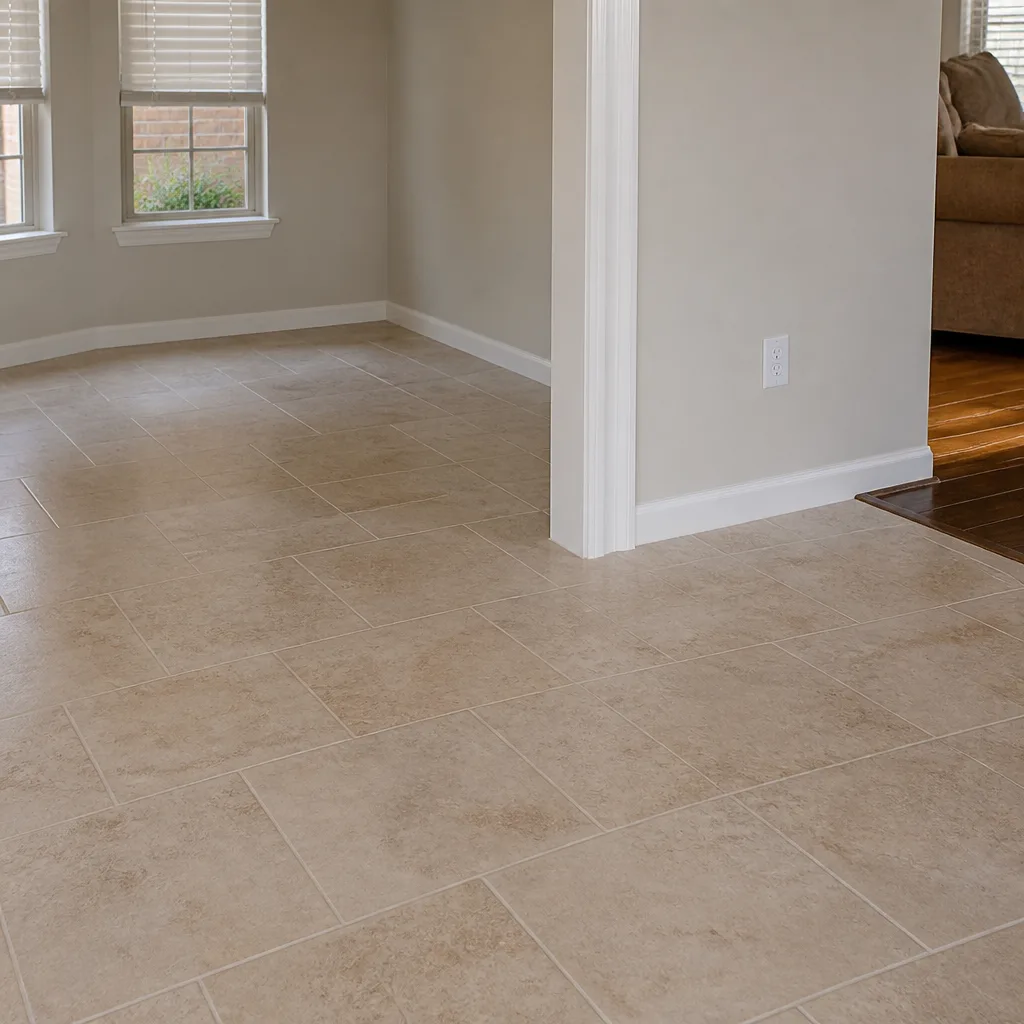
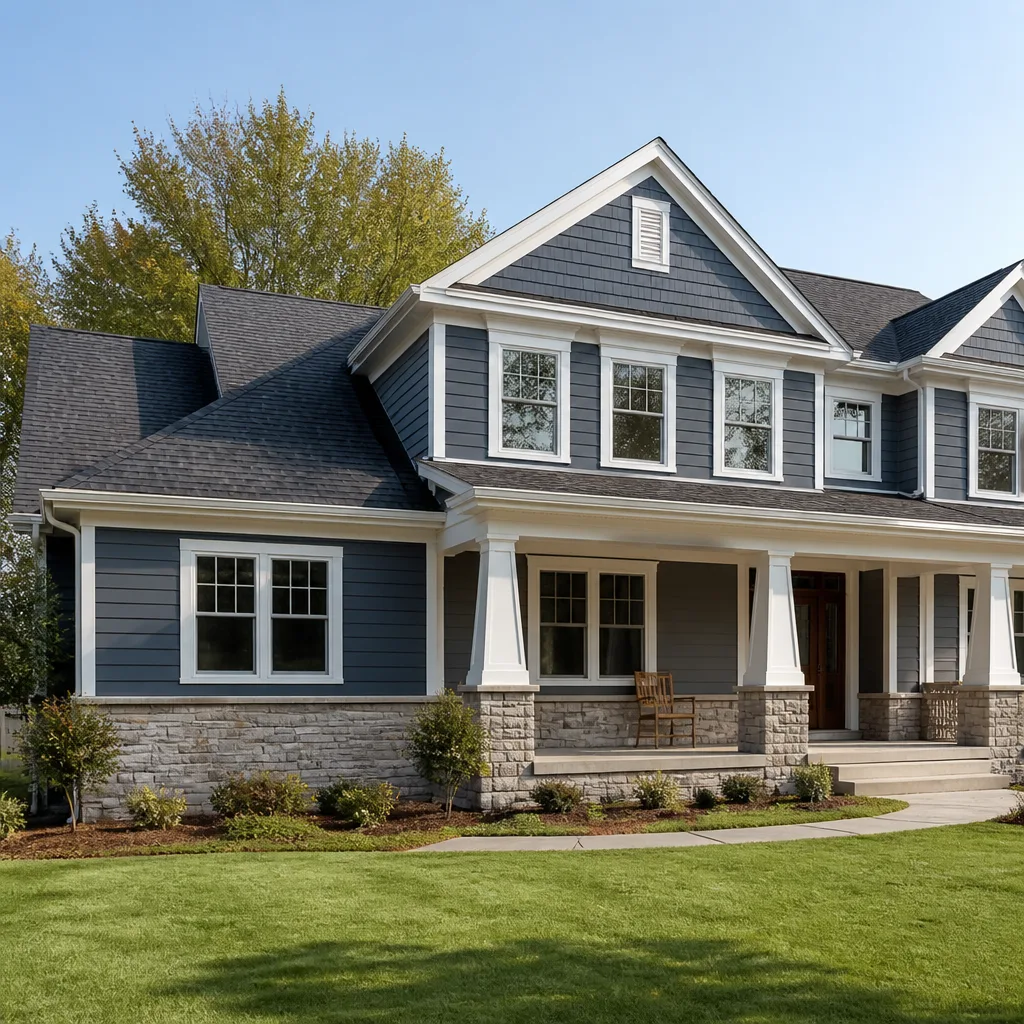
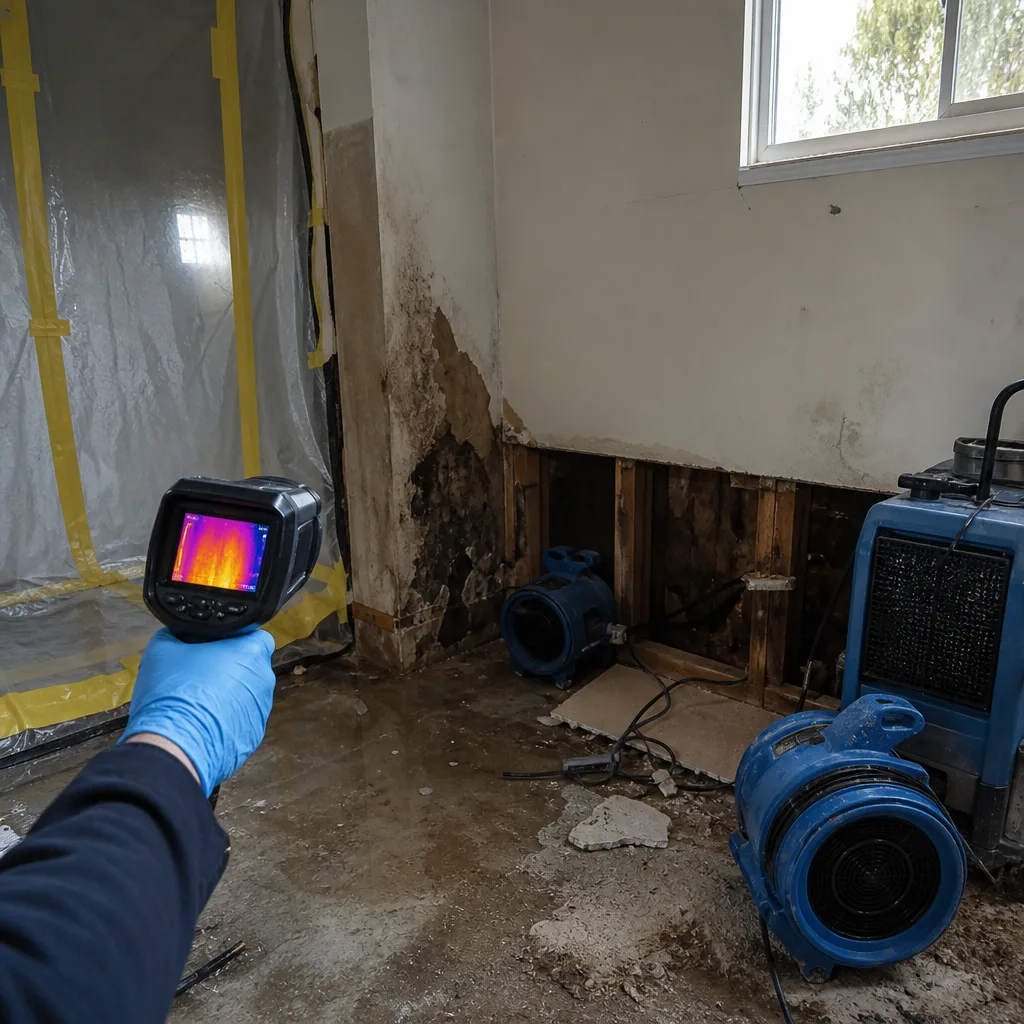 Before
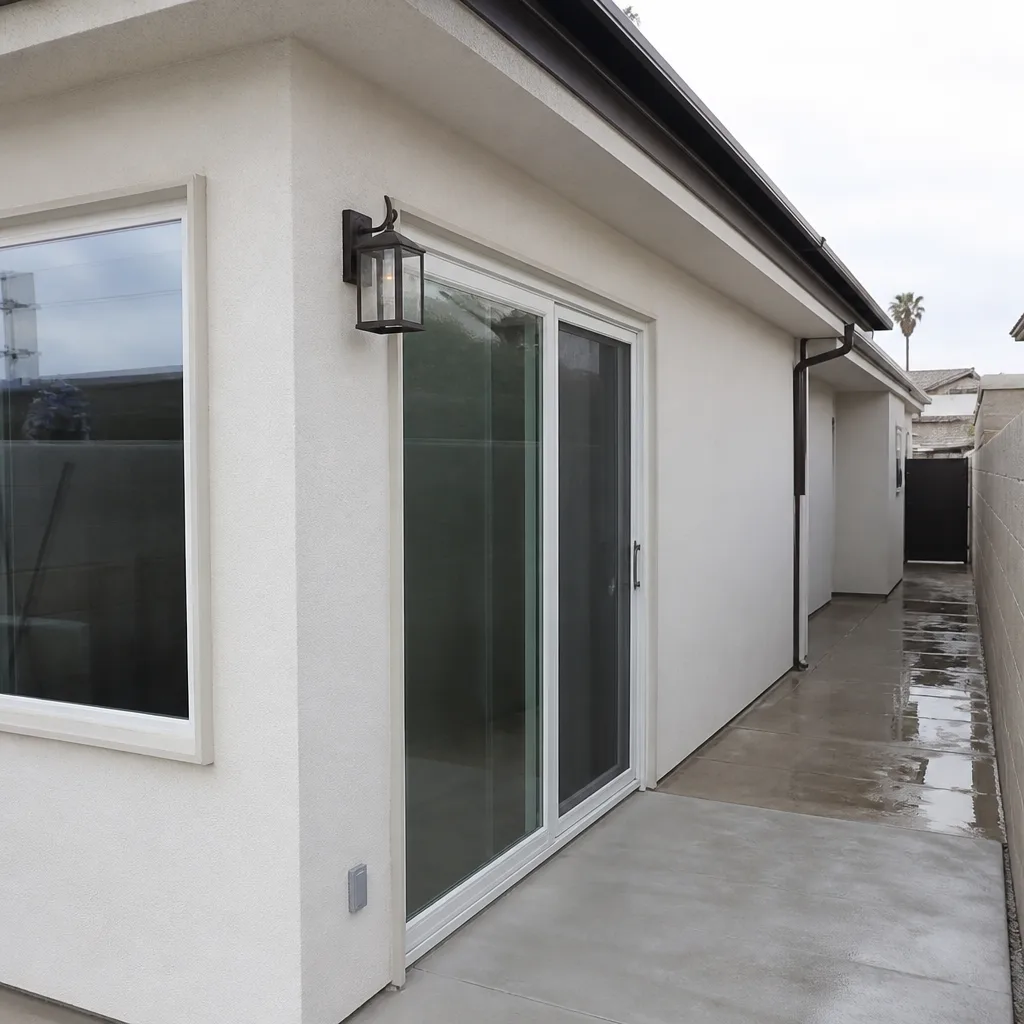 After
After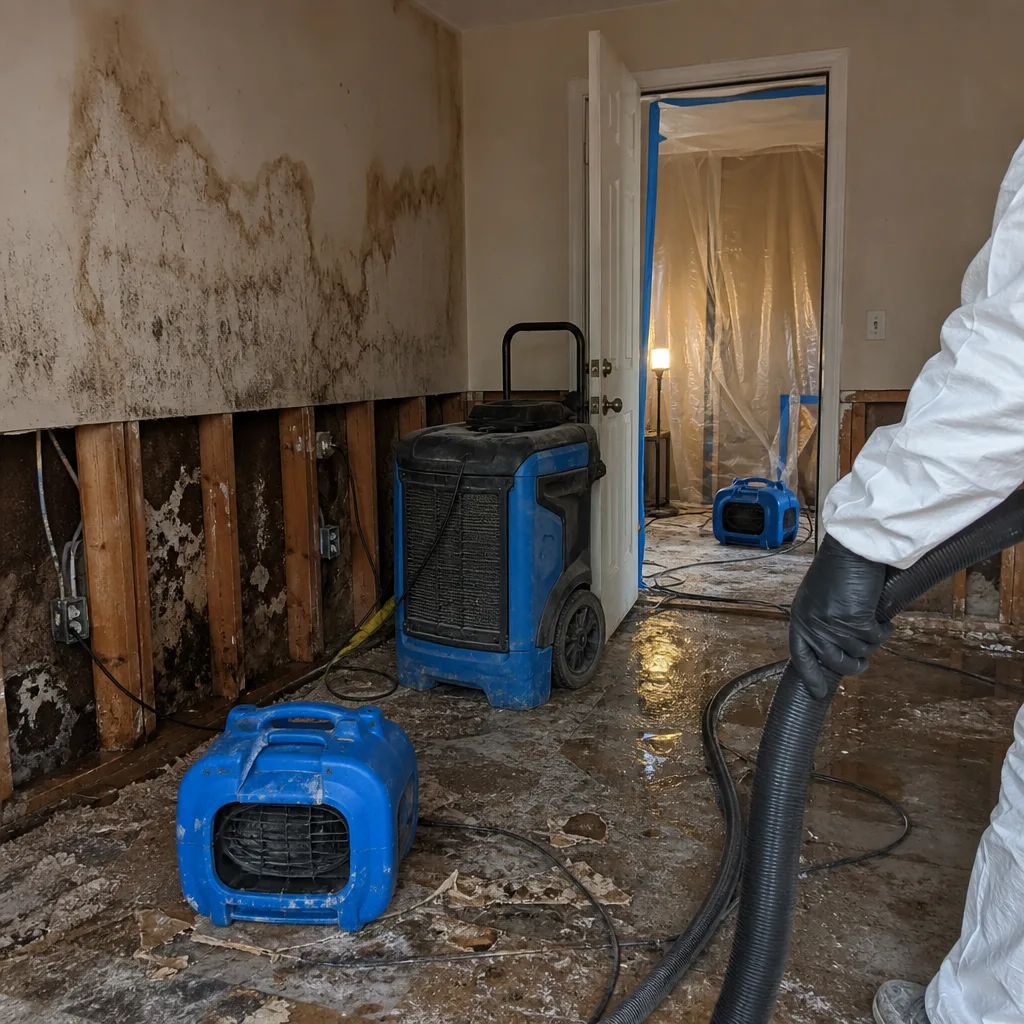 Before
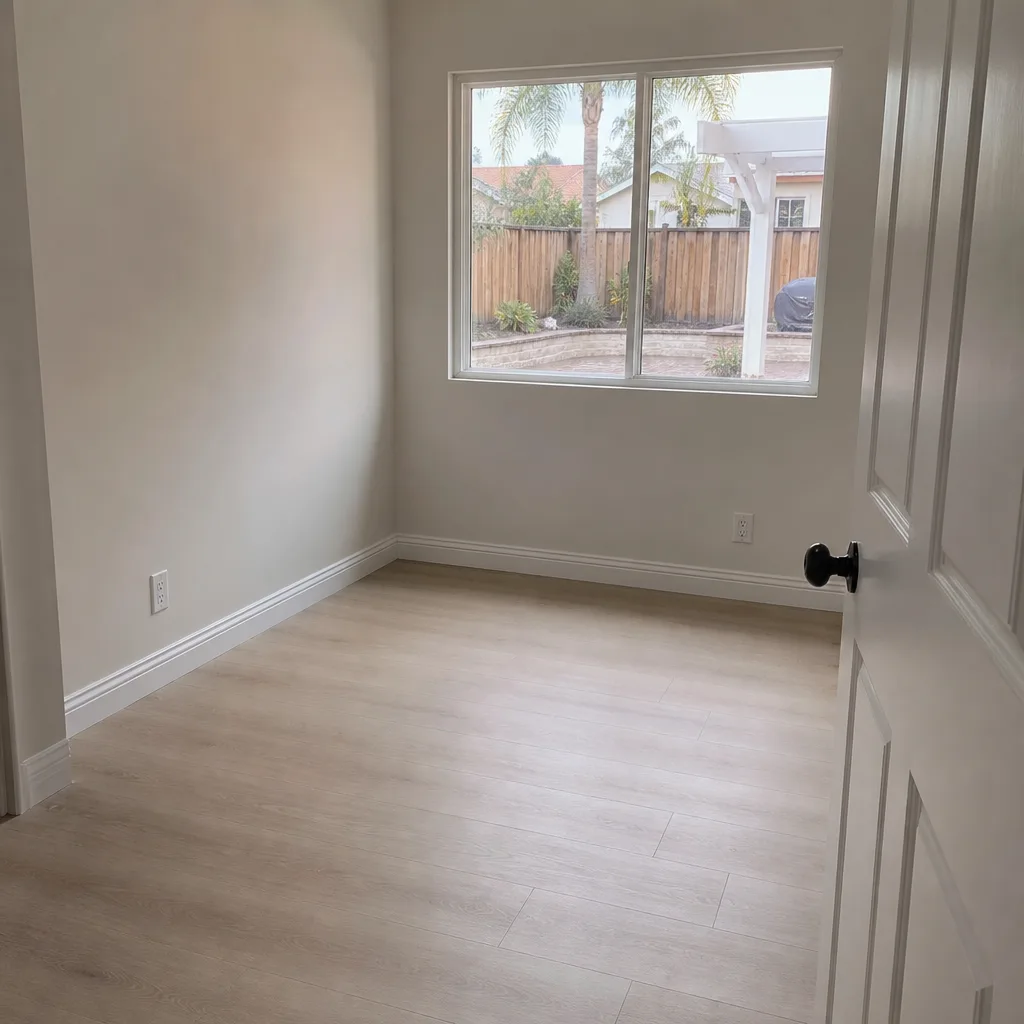 After
After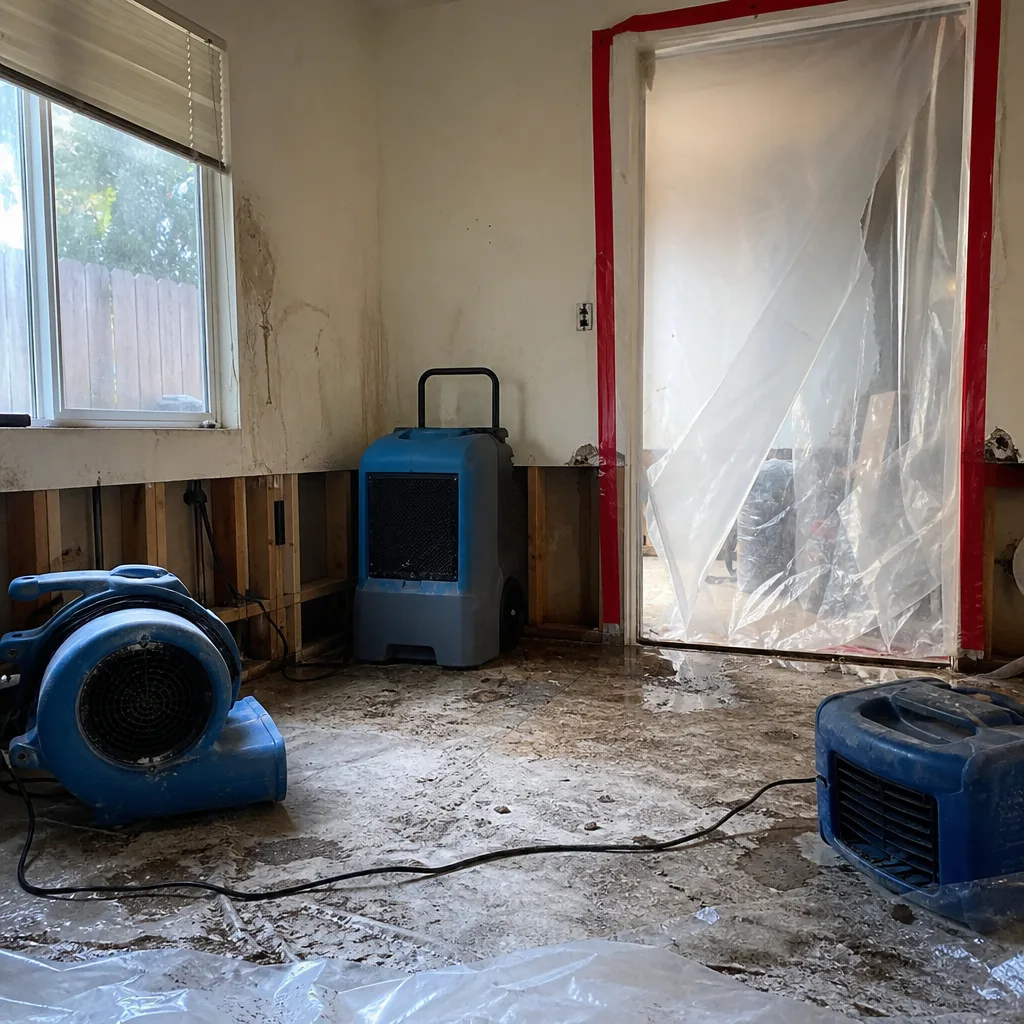 Before
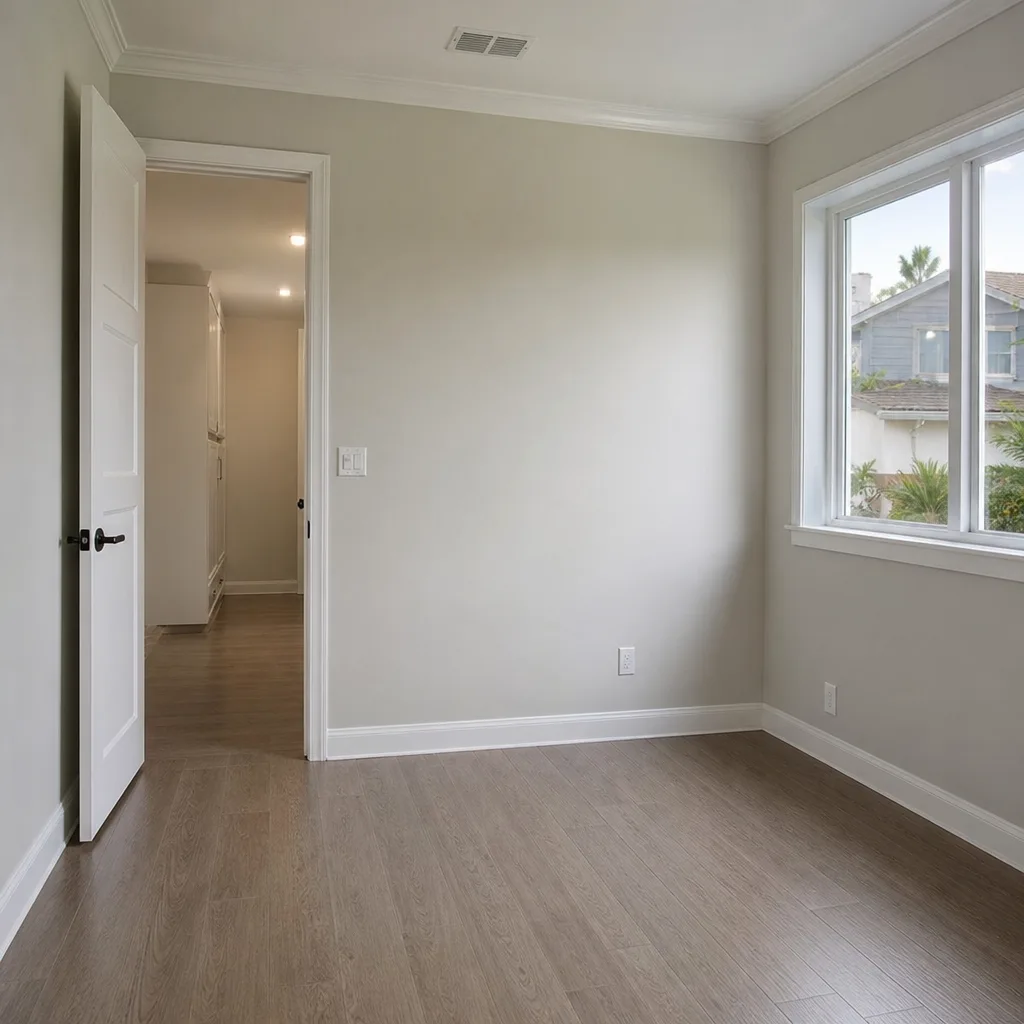 After
AfterThe Complete Guide to Damage Restoration in Huntington Beach
Here’s a number that should stop every Huntington Beach homeowner: roughly 40% of water damage claims in Orange County are partially denied not because the damage wasn’t real, but because the contractor’s paperwork couldn’t prove it. In California, where insurers operate under strict claim-scrutiny protocols, a restoration job with no moisture log is just a contractor’s word against an adjuster’s denial - and the adjuster wins by default. This guide will show you how damage restoration actually works in Huntington Beach, what documentation separates a payable claim from a denied one, and why the humidity coming off the Pacific makes our drying protocols different from inland markets. For damage restoration warning signs every Huntington Beach homeowner should know, see our companion guide.
Quick Answer
Damage restoration in Huntington Beach is the documented process of returning a property to its pre-loss condition after water, fire, mold, storm, or biohazard damage. Proper restoration requires establishing coastal humidity baselines, separating mitigation from reconstruction billing, and producing a documentation chain - initial photos, equipment logs, daily moisture readings, and final clearance - that satisfies both California contractor law and insurer review protocols. Without this paperwork, even legitimate damage often goes uncompensated.
Table of Contents
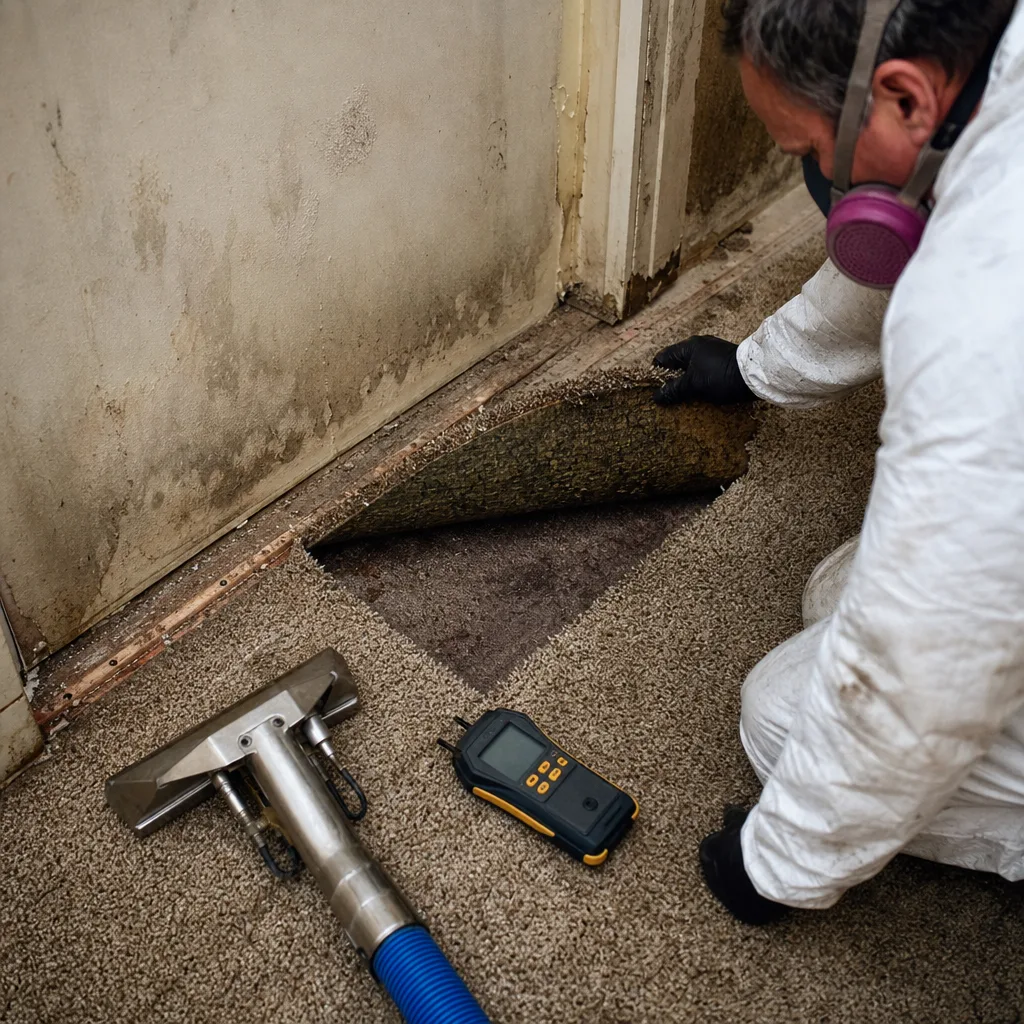
- Why Huntington Beach’s Coastal Humidity Changes Everything
- The Documentation Chain That Gets Claims Paid
- California Contractor Licensing and Your Restoration Project
- Mitigation vs. Reconstruction: The Billing Mistake That Denies Claims
- What the IICRC S500 Standard Actually Requires
- The Six Phases of Professional Restoration
- Choosing a Restoration Contractor in Huntington Beach
- Working With Your Insurance Adjuster
 Before
 After
AfterWhy Huntington Beach’s Coastal Humidity Changes Everything
Most homeowners don’t know that their insurance adjuster will ask one question before any other: what was the ambient humidity when you started drying? In Huntington Beach, where relative humidity typically runs 70-85% within a mile of the shore, that baseline matters enormously.
Here’s why. A moisture meter reading of 16% on oak flooring means something different at 45% ambient humidity than it does at 80%. Without recording the starting conditions - what restoration professionals call the psychrometric baseline - an insurer can argue that the materials weren’t actually wet, just naturally damp from sea air. We’ve seen this denial tactic applied to homes in Sunset Beach, downtown Huntington Beach, and the Bolsa Chica wetlands area.
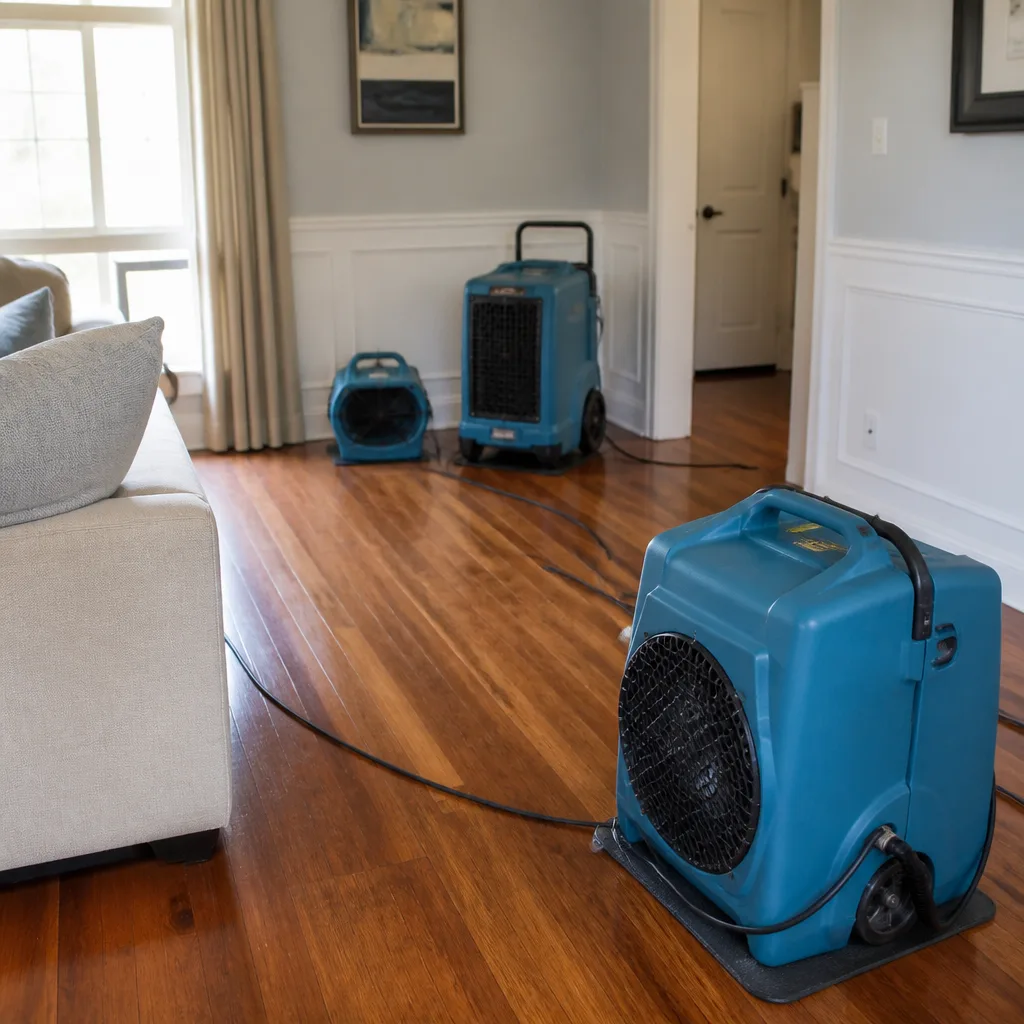
Professional restoration in coastal Orange County requires equipment that can document vapor pressure differential, the measurable force that drives moisture from wet materials into dry air. Our crews establish this baseline on every job using sensors that log temperature, relative humidity, and specific humidity simultaneously. The resulting data becomes Exhibit A if an adjuster questions whether drying was necessary.
Neighborhoods near the Huntington Beach Pier or along Pacific Coast Highway face an additional complication: salt-laden air corrodes standard moisture probes faster than inland climates. Equipment calibration logs, which most homeowners never see, become part of the documentation chain that supports your claim.
The Documentation Chain That Gets Claims Paid
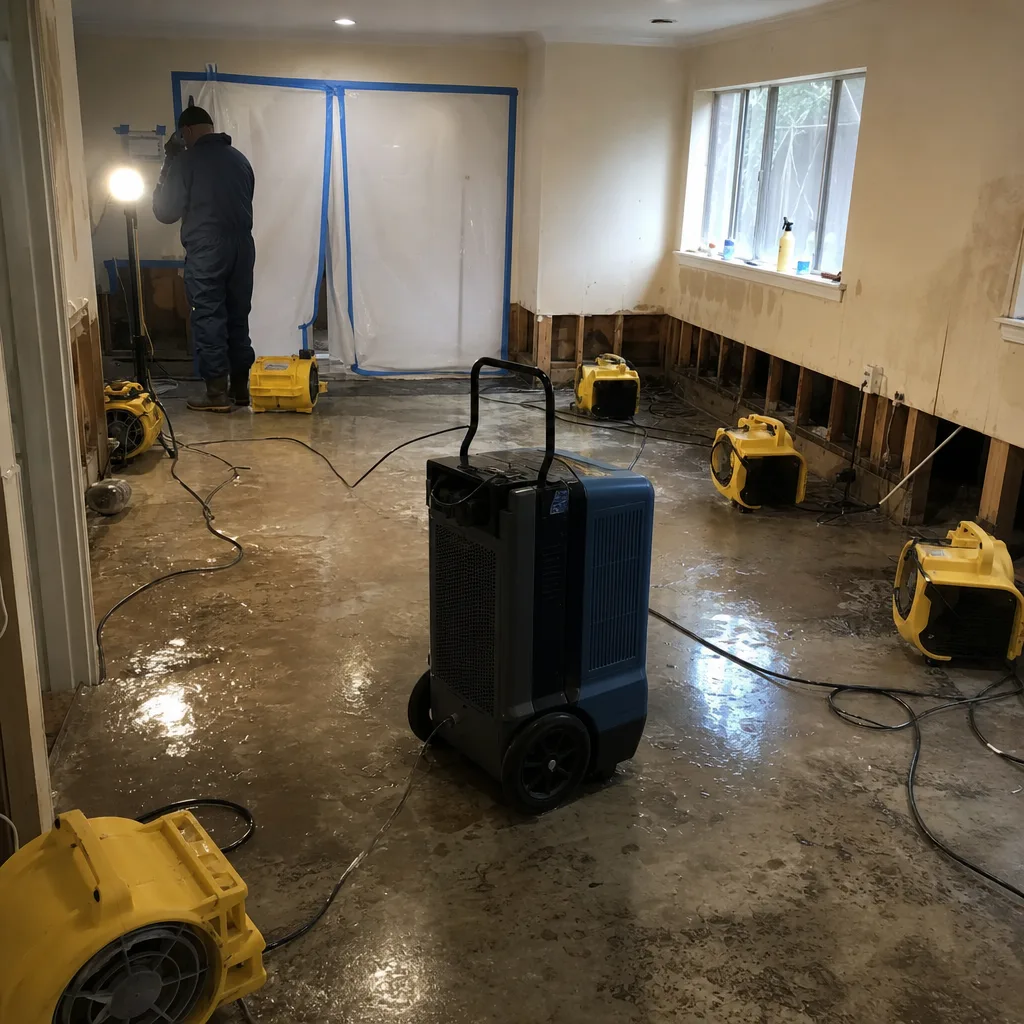
The single biggest difference between a restoration invoice an insurer pays and one they dispute is the completeness of the documentation chain. Think of it as a paper trail that starts the moment a technician arrives and ends only when the final clearance certificate is issued.
Here is the standard chain that DryMark Restoration Huntington Beach produces on every job:
- Initial photo record: Time-stamped images of all affected areas, including serial numbers of affected appliances, model numbers of flooring, and visible water lines. These establish pre-work condition and scope.
- Moisture mapping: Room-by-room readings using penetrating and non-penetrating meters, recorded on a grid diagram that shows exactly where water traveled. In Huntington Beach slab homes, this includes concrete moisture readings at multiple depths.
- Equipment placement log: Serial numbers, placement coordinates, and start times for every dehumidifier, air mover, and injection drying system. Insurers verify this against power consumption records.
- Daily drying log: Psychrometric readings taken at the same time each day, showing temperature, relative humidity, and moisture content of affected materials. This proves progress and justifies equipment rental duration.
- Material removal documentation: Photos of each removed section with dimensional measurements, plus waste disposal receipts with weights. Required for structural and content claims.
- Final clearance: Post-drying moisture readings at original test points, compared against established dry standards for each material type. Without this, the job is technically incomplete.
Under The Haven Standard, every DryMark Restoration Huntington Beach customer receives copies of items 1, 4, and 6 automatically. Items 2, 3, and 5 are available on request for direct adjuster submission. This is the documentation gap that costs homeowners their claims - and it’s the gap our company was built to close.
California Contractor Licensing and Your Restoration Project
California’s contractor licensing system creates specific legal boundaries that directly affect who can perform which restoration tasks. For a deeper look at the regulatory framework, see our guide to damage restoration permits, codes & inspections in CA. Understanding these tiers protects you from permit pull liability and from work that your insurer may later refuse to cover.
The three licenses most relevant to Huntington Beach restoration are:
- C-10 Electrical: Required for any work involving electrical panel replacement, rewiring, or circuit modification after water or fire damage. A general restoration crew without this license cannot legally perform these tasks.
- C-36 Plumbing: Required for water source repair, pipe replacement, and sewage line work. Many water damage jobs require both mitigation and plumbing repair; if your contractor holds only a B-general license, they must subcontract this work or risk code violations.
- B-General Building: Allows structural repair, reconstruction, and trade coordination. This is the license required for full rebuilds after major fire or storm damage.
Here’s why this matters for your claim. If a B-general contractor performs C-10 electrical work without proper licensing, and that work later fails inspection, your insurer may cite the unlicensed work as grounds to deny related damage claims. In Huntington Beach, where the Building Division enforces California Building Code Title 24 strictly, permit pull records are digitally archived and easily verified by adjusters.
Every DryMark Restoration Huntington Beach technician’s license classification is documented in our written scope before work begins, Haven Standard, Clause 1. We don’t subcontract trades we aren’t licensed to perform ourselves; we coordinate licensed specialists and document their credentials in your job file.
Mitigation vs. Reconstruction: The Billing Mistake That Denies Claims
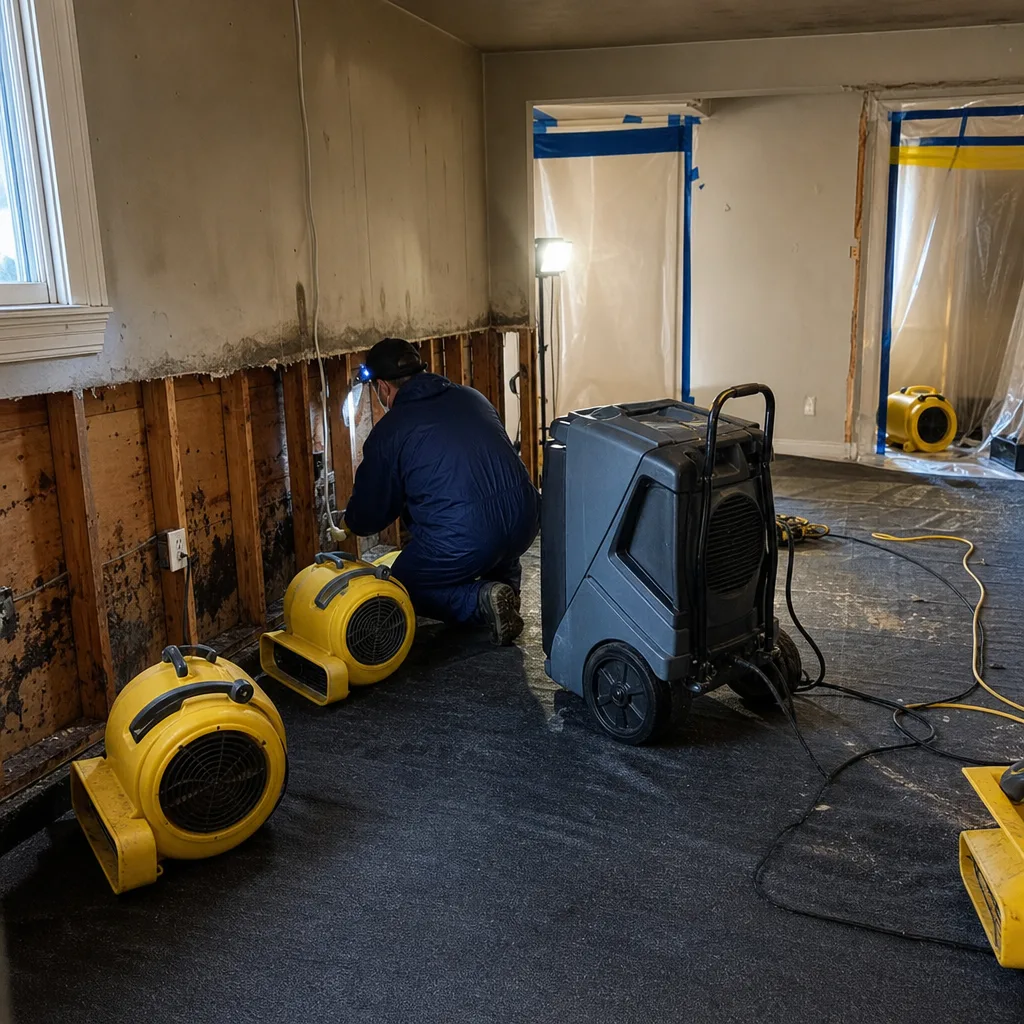
The single most common reason Huntington Beach claims get partially denied is also the easiest to prevent: conflating mitigation and reconstruction on a single invoice.
Mitigation is emergency stabilization - water extraction, drying, demolition of unsalvageable materials, and application of antimicrobial agents. It is billed on a time-and-materials basis, often with equipment rental charges, and must begin immediately to prevent further damage. Most policies cover mitigation without dispute when properly documented.
Reconstruction is the rebuild - new drywall, flooring, cabinetry, paint, and finish work. It is estimated as a fixed-scope construction project, requires permit pulls in Huntington Beach for structural or electrical work, and is subject to deductible application and coverage limits that differ from mitigation.
When these phases appear on one invoice, adjusters apply reconstruction scrutiny standards to mitigation charges. A $2,400 dehumidifier rental gets questioned because it lacks the line-item material costs and labor hours expected in construction billing. Conversely, reconstruction materials billed at emergency rates trigger red flags for inflated pricing.
At DryMark Restoration Huntington Beach, we issue separate written scopes for each phase. The mitigation scope includes daily drying logs and equipment serial numbers. The reconstruction scope includes material specifications, permit numbers, and completion milestones. This separation alone has resolved more claim disputes than any other single practice in our experience since 2011.
What the IICRC S500 Standard Actually Requires
The IICRC S500 is the ANSI-approved standard for professional water damage restoration. Insurers reference it routinely, and adjusters trained in claims review know which S500 requirements they can cite to reduce or deny payment.
Here is what the standard actually mandates, in plain language, and what happens when it’s ignored:
| S500 Requirement | What It Means Practically | Denial Risk If Ignored |
|---|---|---|
| Category determination within 4 hours | Water must be classified as Category 1 (clean), 2 (gray), or 3 (black) before work proceeds | Insurer disputes whether antimicrobial treatment was necessary |
| Class determination by affected square footage and materials | Drying equipment count is calculated by formula, not guesswork | Excess equipment charges rejected as unreasonable |
| Psychrometric monitoring every 24 hours minimum | Daily temperature, humidity, and moisture content readings | Equipment rental duration unsupported; charges prorated or denied |
| Restorer qualification documentation | Technician training records and certification verification | Work deemed “unqualified,” shifting liability to homeowner |
| Customer communication log | Written record of all scope changes and customer approvals | Additional charges disputed as unauthorized |
The S500 also defines “dry” numerically: 12% moisture content for softwood framing, 5% for hardwood flooring, and equilibrium with ambient conditions for concrete. Without these target numbers in your documentation, “dry” becomes a matter of opinion - and the adjuster’s opinion controls the check.
Our crews document to IICRC, RIA, and IFA standards on every job, with the daily moisture logs that turn restoration invoices into payable insurance claims. This isn’t extra service. It’s the baseline for legitimate restoration work in Huntington Beach.
The Six Phases of Professional Restoration
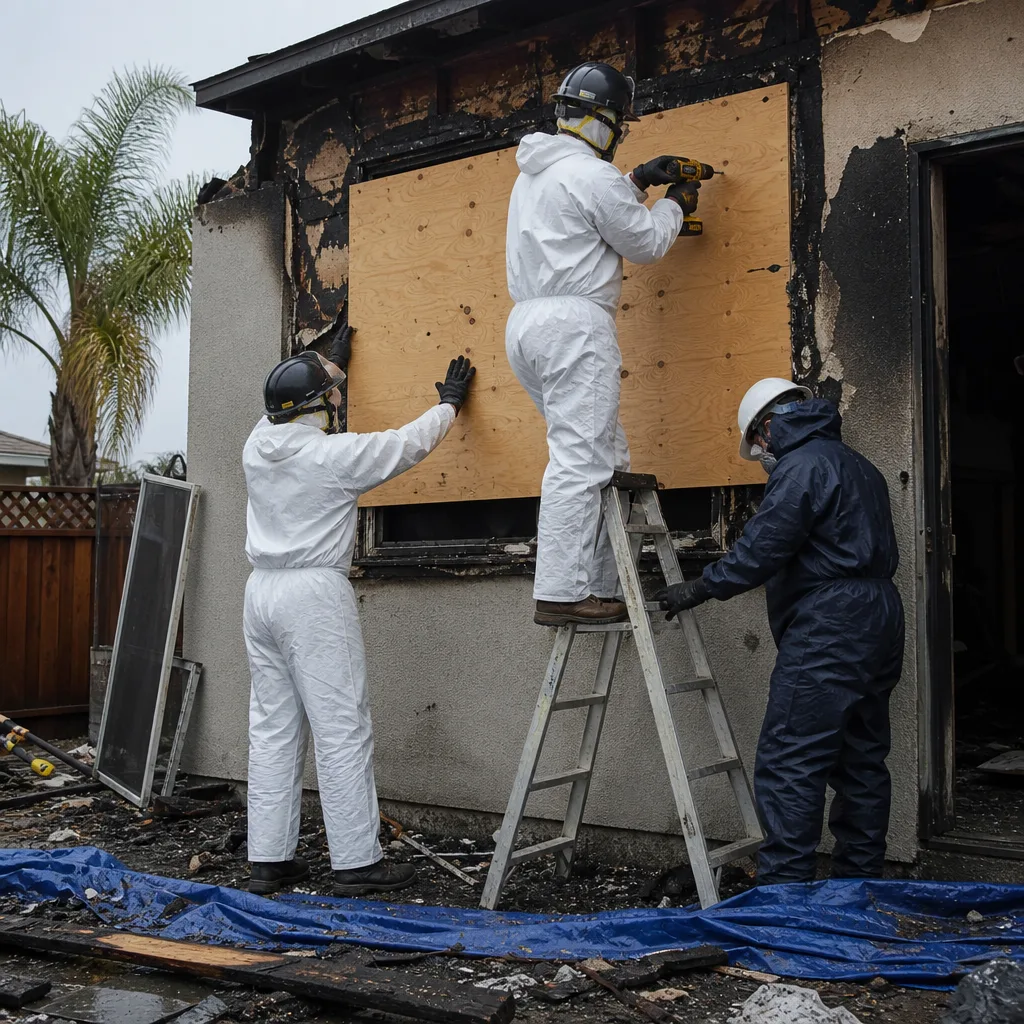
Whether the damage source is a slab leak in a Huntington Harbour townhome or kitchen fire smoke in a downtown condo, professional restoration follows six distinct phases. Each phase has specific documentation requirements and specific billing implications.
Phase 1: Emergency Response and Containment
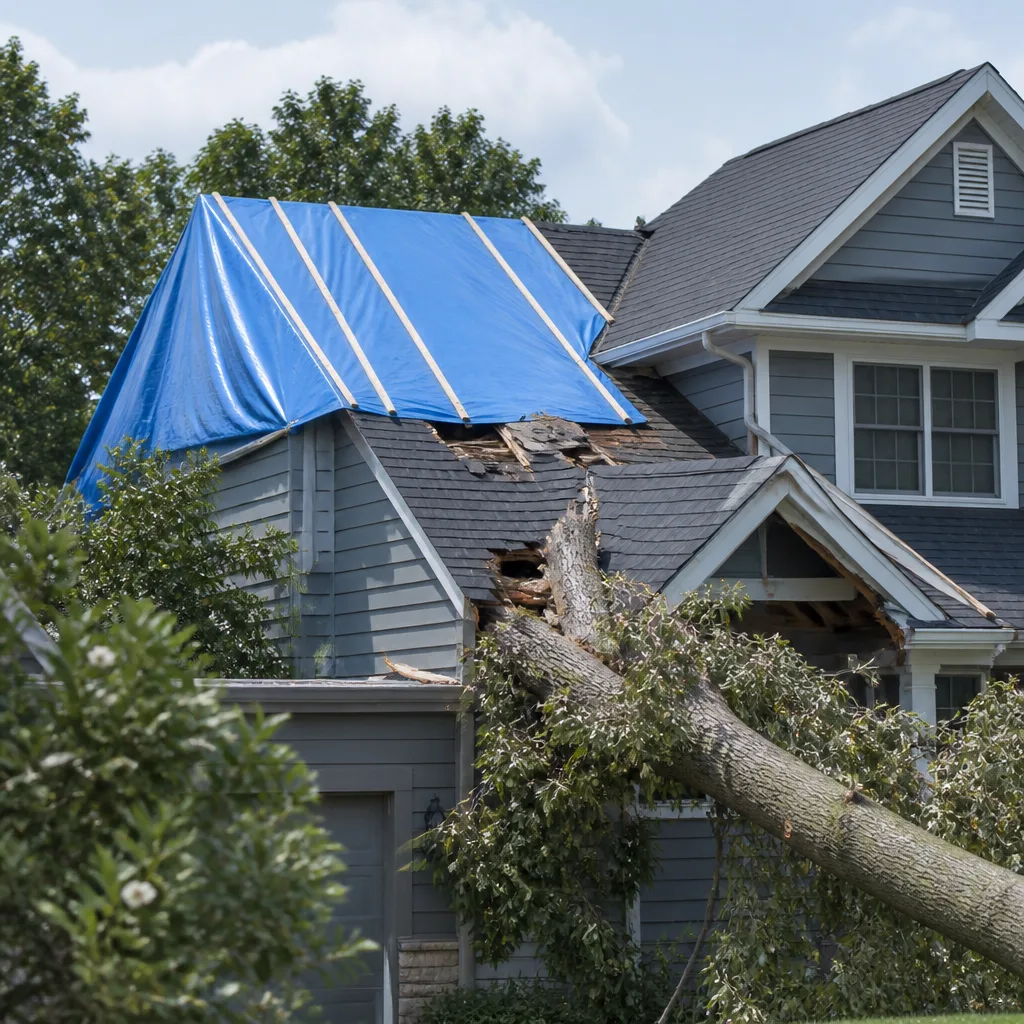
The first 1-4 hours determine whether secondary damage spreads. For water damage, this means extraction, containment barriers, and initial moisture mapping. For fire damage, it means board-up, roof tarping, and soot containment. Documentation begins immediately: photos, moisture readings, and a written notice of what was found.
Phase 2: Damage Assessment and Written Scope
Before any demolition or drying equipment runs, a complete assessment produces the written scope. This includes affected square footage, material classifications by trade name (for example, “5/8-inch Type X gypsum wallboard, saturated above 2-foot line”), and the specific drying protocol or cleaning method. Haven Standard, Clause 1 requires this written price before any work starts.
Phase 3: Mitigation and Stabilization
The emergency work itself - extraction, demolition of unsalvageable materials, equipment placement, initial cleaning. Daily drying logs begin here. In Huntington Beach’s humid coastal environment, this phase typically runs 3-5 days for standard water damage, longer for Category 3 losses or when vapor pressure differentials are suppressed by ambient humidity.
Phase 4: Monitoring and Adjustment
Equipment runs 24 hours with daily technician visits to log readings, relocate air movers, and adjust dehumidifier settings. This phase cannot be skipped or abbreviated - insurers routinely request the complete daily log to verify that equipment was actually running and that progress was demonstrable.
Phase 5: Clearance and Verification
Post-mitigation testing confirms that materials have reached dry standards and that microbial growth risk has been eliminated. For mold remediation, this may include air sampling or ERMI dust analysis. For water damage, it means moisture readings at original test points matching or falling below dry standards. Final photos document condition.
Phase 6: Reconstruction and Completion
The rebuild phase, estimated separately, permitted where required by Huntington Beach Building Division, and completed to the written scope. The 365-Day Done Right Promise applies here: if any reconstruction work fails within one year, we make it right under The Haven Standard.
Choosing a Restoration Contractor in Huntington Beach
The Huntington Beach market includes national franchise operations, independent contractors, and hybrid models. Here’s what actually distinguishes competent restoration work from work that will complicate your claim.
Documentation practices you can verify before hiring:
- Will they provide a written price before work begins, with no exceptions? Ask to see a sample scope. If they hedge, they’re not following Haven Standard, Clause 1.
- Do they produce daily drying logs with psychrometric data, not just “equipment checked” checkboxes? The log should show numbers: temperature, relative humidity, specific humidity, and moisture content readings by location.
- Is photo documentation standard or an upsell? It should be included on every visit, time-stamped, and available to you and your adjuster.
- Can they explain their equipment by brand and function? Professional-grade drying systems from Dri-Eaz, Phoenix, and Injectidry indicate investment in documented performance, not just rental fleet volume.
Red flags specific to our market:
- Contractors who don’t establish coastal humidity baselines before starting drying. This is standard practice in Huntington Beach; skipping it suggests inland protocols applied incorrectly.
- Scopes that combine mitigation and reconstruction without clear separation. This is the billing error that denies claims.
- Any pressure to begin work before you receive a written scope. Emergency containment is one thing; demolition without a written price is another.
DryMark Restoration Huntington Beach offers a Free Second Opinion on any competitor’s written estimate. Bring us another contractor’s scope and we’ll review it for documentation completeness, proper phase separation, and pricing accuracy - at no charge.
Working With Your Insurance Adjuster
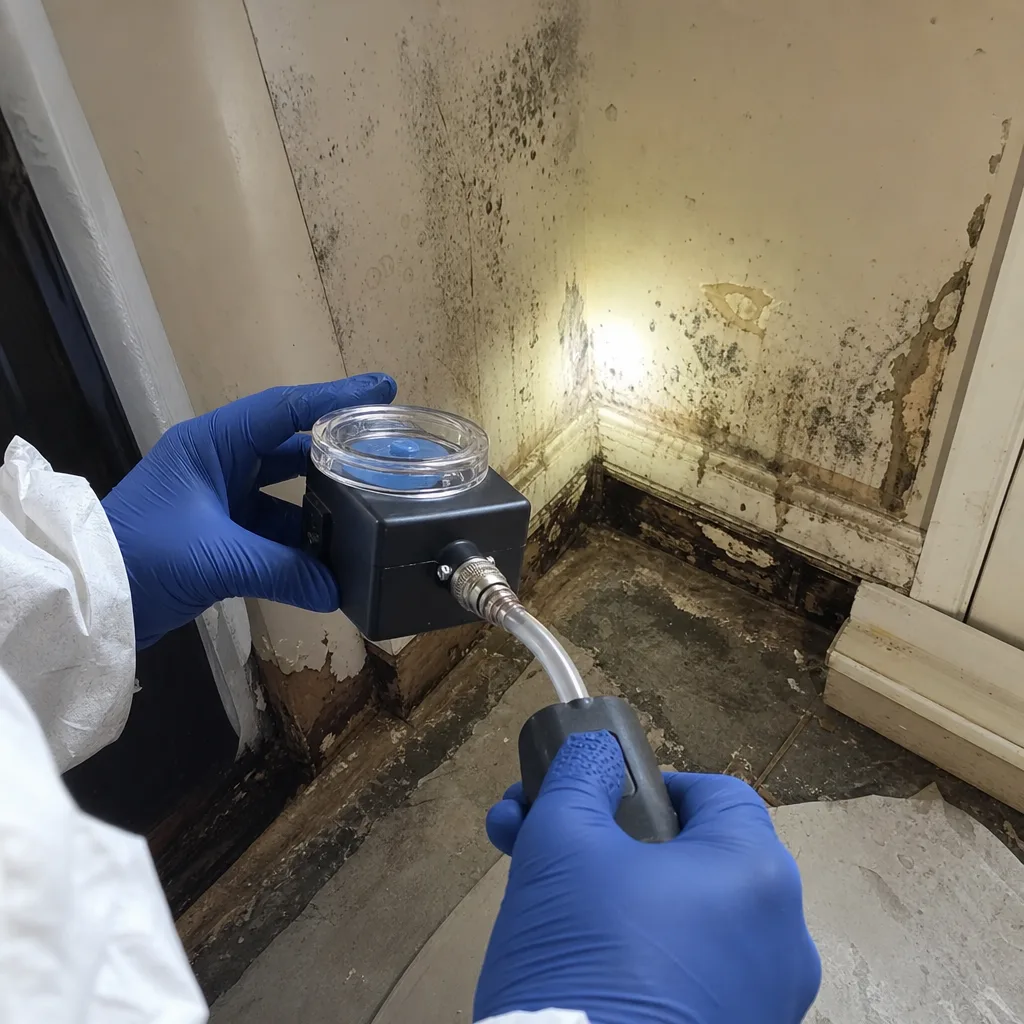
Most Huntington Beach homeowners interact with their adjuster after the contractor has already begun work. This timing creates friction when the contractor’s documentation doesn’t match what the adjuster expects to see.
The most effective approach is proactive documentation submission. Rather than waiting for the adjuster to request evidence, a complete job file - initial photos, moisture mapping, equipment logs, daily readings, and final clearance - submitted within 48 hours of mitigation completion dramatically reduces review time and dispute frequency.
Key coordination points:
- Photo documentation: Adjusters verify that claimed damage existed and that claimed work addressed it. Photos with no timestamp or no identifying features (room labels, address markers) carry less weight.
- Material specifications: “Replaced flooring” is insufficient. “Removed 847 sq ft Shaw LVT plank, style number, installed over 3/4-inch OSB subfloor” matches the adjuster’s replacement cost database.
- Code upgrade documentation: Huntington Beach enforces current California Building Code; if damage requires code-compliant upgrades (for example, electrical GFCI expansion or fire-rated assemblies), the documentation must cite the specific code section triggering the upgrade.
- Direct adjuster coordination: We coordinate directly with adjusters on documentation questions, providing additional readings or photo angles as requested without charging the homeowner for “administrative time.”
Our origin as a company founded by a former claims adjuster means we built our documentation systems from the adjuster’s perspective. We know what triggers approval and what triggers referral to special investigation. Every job file is assembled with that knowledge applied from day one.
Common Mistakes to Avoid
- Waiting to document. Photos taken after cleanup has begun show less damage than photos taken on arrival. Insurers routinely compare timestamps and reduce payouts when pre-mitigation documentation is weak.
- Accepting verbal estimates. California law protects consumers with written contract requirements for home improvement work over $500. More importantly, a verbal price can’t be submitted to insurance as evidence of scope agreement.
- Ignoring humidity baselines. In Huntington Beach’s coastal climate, failing to record ambient conditions at job start allows insurers to attribute moisture readings to sea air rather than water damage.
- Combining mitigation and reconstruction billing. This single error causes more partial denials than any other practice we’ve seen in 12,000+ homes restored since 2011.
- Skipping final clearance testing. Without documented proof that materials reached dry standards, insurers can argue that continued damage - mold, rot, structural compromise - resulted from incomplete restoration, not original loss.
- Hiring unlicensed subcontractors. If your general restoration contractor brings in electrical or plumbing help, verify their license classification independently through the California Contractors State License Board. Unlicensed work voids permit compliance and can void related coverage.
When to Call a Professional
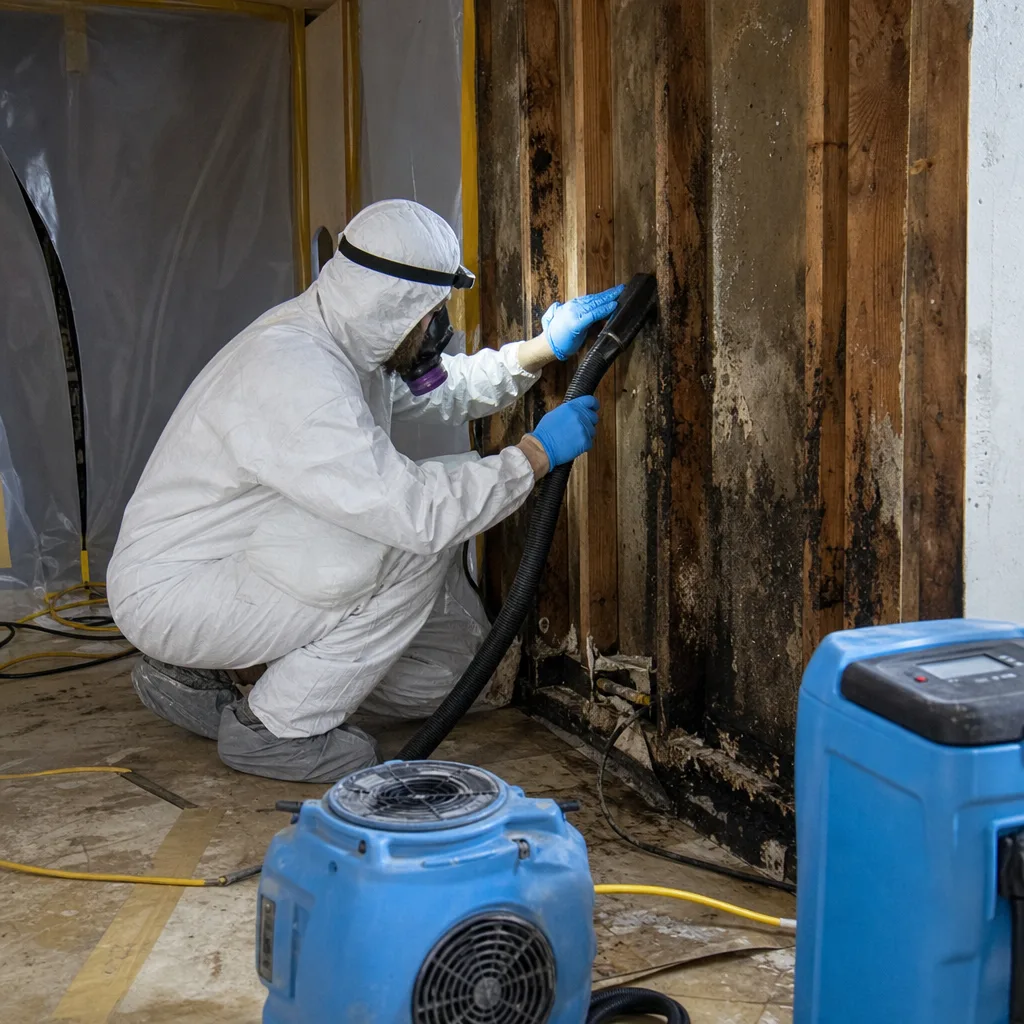
Call for professional restoration when water has affected more than a single small area you can dry with household fans, when you smell mold but cannot locate its source, when fire or smoke damage has affected multiple rooms, or when sewage or biohazard contamination is present. These scenarios require documented assessment, controlled demolition, and regulated disposal that homeowners cannot perform safely or legally.
Specifically in Huntington Beach, call immediately when: water has reached wall cavities in a slab-foundation home (common in the Huntington Harbour and Seacliff areas), when Category 2 or 3 water has contacted any porous material, or when mold is visible and exceeds 10 square feet - the threshold where California recommends professional remediation with containment protocols.
DryMark Restoration Huntington Beach offers free estimates in Huntington Beach. Call (657) 288-3467 and a live person will answer, 24 hours a day, 7 days a week. No voicemail trees. We’ll schedule documentation-first assessment and provide a written price before any work begins.
Frequently Asked Questions
Water damage mitigation typically ranges from $1,200 for limited extraction and drying to $8,500+ for whole-house Category 3 losses with extensive demolition. For a detailed breakdown of what drives these numbers, see our Damage Restoration Cost Breakdown: The Huntington Beach Homeowner’s Reference for 2026. Reconstruction is estimated separately, with drywall replacement at $2.50-$4.50 per square foot and flooring replacement varying by material. Every DryMark Restoration Huntington Beach job receives a written price before work begins, Haven Standard, Clause 1. Call (657) 288-3467 for an exact quote - estimates are free.
Most Huntington Beach homeowners policies cover sudden and accidental water damage, fire damage, and storm damage, subject to your deductible and coverage limits. For more guides & resources on navigating claims and restoration, visit our blog. Coverage disputes arise most often from documentation gaps, not from the damage itself. A complete job file - photos, moisture logs, equipment records, and final clearance - is the strongest predictor of full payment. We coordinate directly with adjusters and provide photo-documented assessments to support your claim.
For emergency water damage and fire board-up, DryMark Restoration Huntington Beach maintains live phone coverage 24 hours a day, 7 days a week with no voicemail on emergency lines. Response time to Huntington Beach addresses typically ranges from 45 minutes to 2 hours depending on traffic and current call volume. Reconstruction work is scheduled, not dispatched, and is scoped in writing before scheduling.
California recommends professional remediation when visible mold exceeds 10 square feet, when water damage involves Category 2 or 3 contamination, or when HVAC systems are affected. Self-cleaning without containment can spread spores and worsen the problem. More critically for insurance purposes, self-performed work produces no documentation that an adjuster will accept. If you may file a claim, professional documentation protects your coverage.
You remain the policyholder and must authorize all communications, but a competent restoration contractor coordinates documentation submission and responds to adjuster questions directly. At DryMark Restoration Huntington Beach, we submit complete job files within 48 hours of mitigation completion and handle adjuster requests for additional evidence without charging administrative fees. You review and approve all scopes and changes; we manage the paperwork burden.
Huntington Beach’s typical 70-85% relative humidity near the shore slows natural evaporation and requires more aggressive dehumidification than inland Orange County. Without establishing this baseline and using equipment sized for coastal conditions, drying takes longer and documentation becomes harder to defend. Professional crews account for this with higher-capacity dehumidifiers and longer monitored drying phases.
The Bottom Line
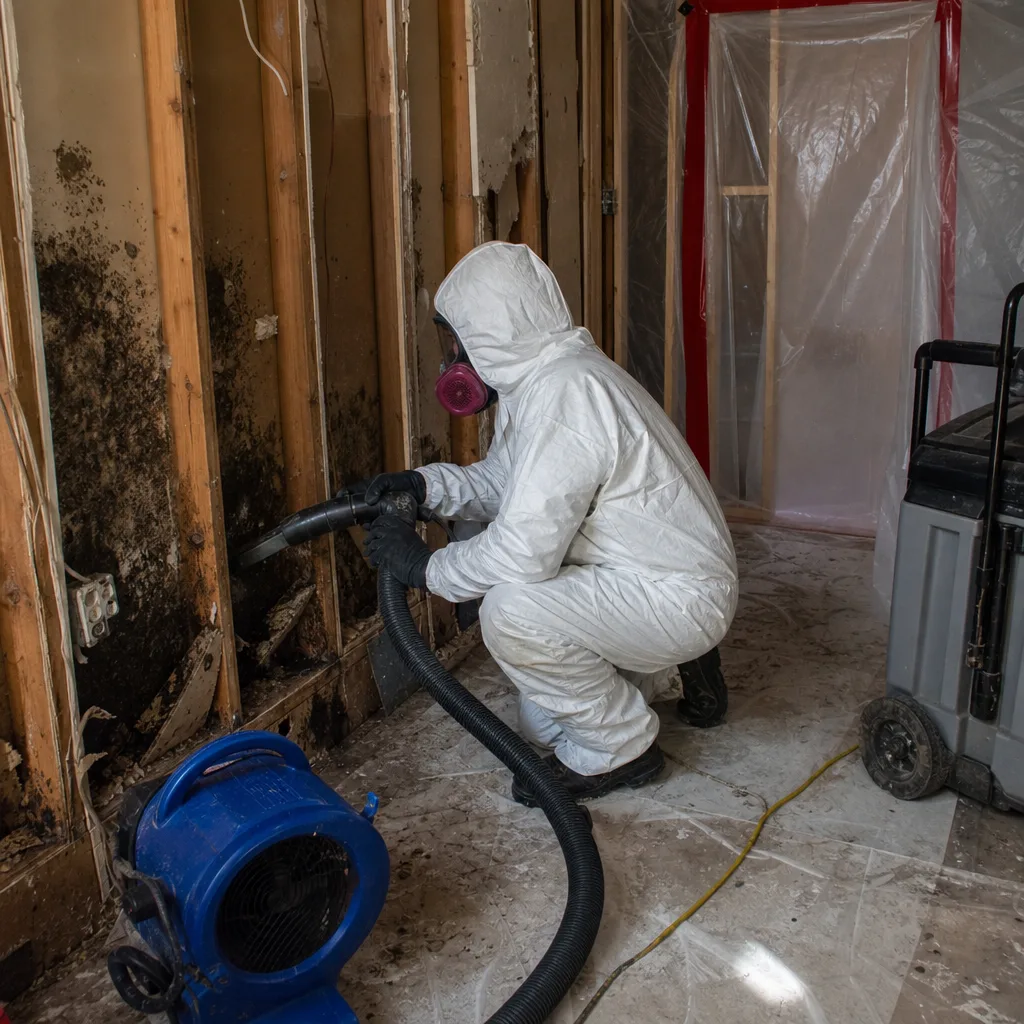
Damage restoration in Huntington Beach succeeds or fails on documentation. The humidity baseline, the daily drying log, the separated mitigation and reconstruction scopes, and the final clearance certificate - these are not administrative extras. They are the evidence that transforms your contractor’s invoice into a claim your insurer pays without a fight. Since 2011, we’ve built every system at DryMark Restoration Huntington Beach around this principle: precise documentation, written prices before work begins, and a record that survives adjuster review. The 365-Day Done Right Promise under The Haven Standard applies to every job, but it’s the paperwork that gets you there.
Need damage restoration in Huntington Beach with documentation that protects your claim? Call (657) 288-3467 for a free estimate. A live person answers 24 hours a day, 7 days a week, and you’ll receive a written price before any work begins - Haven Standard, Clause 1, no exceptions.
Written by Alicia Brennan, Owner at DryMark Restoration Huntington Beach, serving Huntington Beach since 2011.